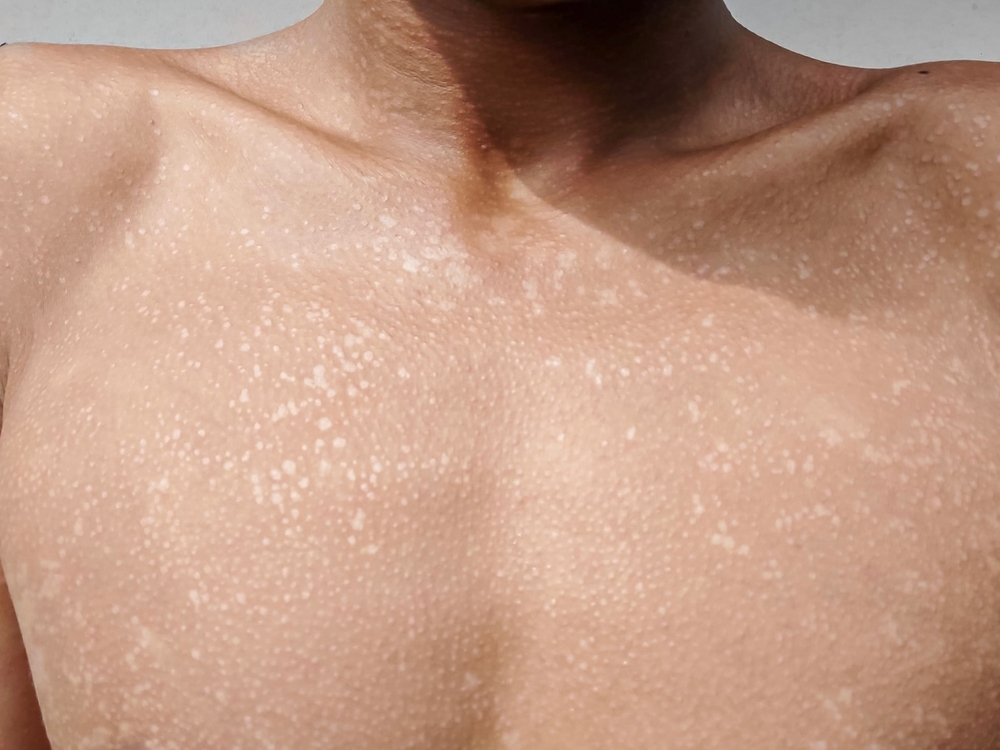
Tinea Versicolor
Skin color changes can be confusing and often alarming. One day your skin looks evenly toned, and the next, you notice lighter or darker patches spreading across the chest, back, or shoulders. Many people first start searching after noticing these changes, asking what is tinea versicolor and whether it is something serious.
Tinea versicolor is a common fungal skin condition that affects pigmentation. It does not cause pain or major discomfort in most cases, but it can significantly change how the skin looks. These changes often lead to concern, especially when the patches become more visible in warm weather or after sun exposure.
Understanding how this condition works helps reduce confusion and supports better management.
What Is Tinea Versicolor?
Tinea versicolor is a superficial fungal infection caused by an overgrowth of yeast that naturally lives on the skin. When this yeast multiplies beyond normal levels, it interferes with normal pigmentation.
Key Characteristics
- Affects the upper layers of skin
- Causes uneven skin tone
- Appears as light or dark patches
- Common in humid or warm climates
It is not contagious in the traditional sense and is more related to internal and environmental factors than direct transmission.
How Tinea Versicolor Affects Skin Pigmentation
The most noticeable effect of tinea versicolor is the change in skin color. This happens because the fungus interferes with melanocytes, the cells responsible for producing pigment.
What Happens in the Skin
- Yeast produces substances that affect melanin production
- Melanocytes become less active in affected areas
- Pigment distribution becomes uneven
This results in patches that look different from the surrounding skin.
Light vs Dark Patches
Tinea versicolor can cause both lighter and darker patches depending on skin type and response.
Hypopigmented Patches
- More common in darker skin tones
- Areas appear lighter than surrounding skin
- Often more visible after sun exposure
Hyperpigmented Patches
- More common in lighter skin tones
- Patches appear darker than normal skin
- May be mistaken for tanning or sun damage
These variations make diagnosis more complex without medical evaluation.
Common Areas Affected
Tinea versicolor tends to appear in specific regions of the body where oil production is higher.
Frequently Affected Areas
- Chest
- Back
- Shoulders
- Upper arms
- Neck
These areas provide an environment where yeast can grow more easily.
Why Pigmentation Changes Occur
The pigment changes are not permanent damage but a temporary disruption in skin function.
Mechanism Behind Color Change
- Yeast affects melanin distribution
- Sun exposure makes patches more visible
- Skin regeneration restores color slowly over time
Even after treatment, pigmentation may take weeks or months to normalize.
Factors That Increase Risk
Certain conditions make tinea versicolor more likely.
Common Risk Factors
- Hot and humid climates
- Excessive sweating
- Oily skin
- Hormonal changes
- Weak immune response
These factors create an environment where yeast can grow more easily.
How It Differs From Other Skin Conditions
Tinea versicolor is often confused with other pigmentation disorders.
Vitiligo
- Causes complete loss of pigment
- Immune-mediated condition
- Patches are usually stark white
Eczema
- Involves inflammation and itching
- Often red and irritated
- May lead to post-inflammatory pigmentation
Sun Damage
- Usually linked to UV exposure
- Appears as uneven tanning or dark spots
Unlike these conditions, tinea versicolor is fungal in nature and responds well to antifungal treatment.
Symptoms Beyond Pigmentation
Although pigmentation change is the main symptom, some people may notice additional signs.
Possible Symptoms
- Mild itching
- Fine scaling on affected areas
- Slight dryness
- Increased visibility in summer
Many cases remain symptom-free except for cosmetic changes.
Diagnosis of Tinea Versicolor
Doctors can usually diagnose the condition based on appearance alone.
Diagnostic Methods
- Visual skin examination
- Wood’s lamp test showing fluorescent changes
- Microscopic examination of skin scrapings
Accurate diagnosis is important to rule out other conditions.
Treatment Options
Treatment focuses on reducing fungal overgrowth and restoring normal pigmentation.
Topical Antifungal Treatments
These are the most commonly used treatments.
Common Options
- Ketoconazole creams
- Selenium sulfide shampoos
- Clotrimazole creams
These help reduce yeast on the skin surface.
Oral Antifungal Medications
In more persistent cases, oral medications may be prescribed.
Examples
- Fluconazole
- Itraconazole
These are typically used for widespread or recurrent infections.
Skin Care During Treatment
Proper skincare supports faster recovery.
Helpful Practices
- Use gentle cleansers
- Avoid oily skincare products
- Keep skin dry in humid conditions
- Wear breathable clothing
These steps reduce yeast growth and recurrence.
Why Pigmentation Takes Time to Recover
Even after successful treatment, skin color may not return immediately.
Reasons for Delay
- Melanin production takes time to normalize
- Sun exposure can accentuate differences
- Skin renewal cycles are gradual
Patients often notice gradual improvement over weeks to months.
Preventing Recurrence
Tinea versicolor can come back, especially in warm climates.
Prevention Tips
- Use medicated shampoos periodically
- Avoid excessive sweating when possible
- Shower after physical activity
- Maintain dry skin in humid environments
Regular preventive care reduces recurrence risk.
Psychological and Cosmetic Impact
Although medically mild, tinea versicolor can affect self confidence.
Common Concerns
- Visible skin patches
- Misinterpretation as other skin diseases
- Anxiety about appearance
Education and reassurance play an important role in management.
When to See a Doctor
Medical attention is recommended if:
- Patches continue to spread
- Over-the-counter treatments do not help
- Diagnosis is uncertain
- Recurrence is frequent
Proper diagnosis ensures correct treatment.
Living with Tinea Versicolor
Most people manage the condition successfully with simple treatments and preventive care.
Long Term Outlook
- The condition is treatable
- Recurrence is possible but manageable
- Pigmentation usually improves over time
Consistency in care is key to long-term control.
Final Thoughts
Tinea versicolor is a common fungal condition that affects skin pigmentation by disrupting normal melanin production. It leads to light or dark patches that can vary depending on skin type and environmental factors. While it is not harmful, it can be cosmetically noticeable and emotionally distressing for some individuals.
With proper treatment and preventive care, skin color usually returns to normal gradually. Understanding how the condition works helps reduce anxiety and supports effective management.
Ongoing research continues to explore a better understanding of pigmentation disorders and skin health. If you are interested in contributing to medical advancements and deeper study of skin conditions, you may consider the opportunity to enroll in the vitiligo research study.