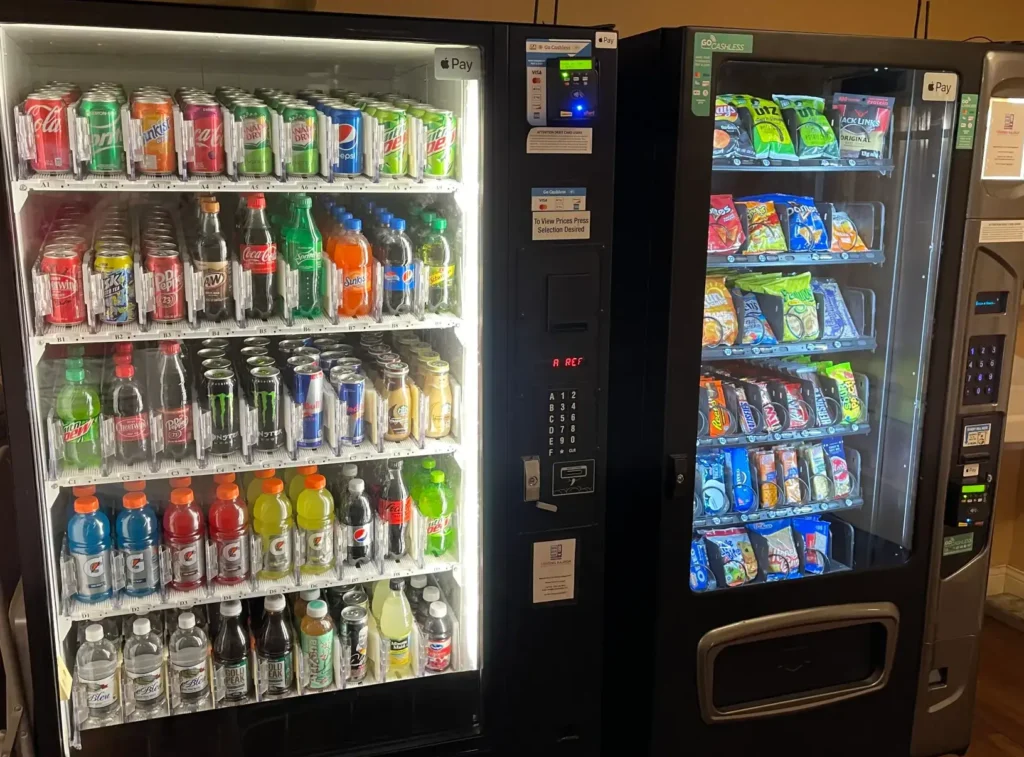
The vending industry has come a long way from the days of fumbling for coins and hoping the machine doesn’t swallow your dollar. If you’re exploring how to start a vending machine business, the type of cold drink vending machines you choose, and how they accept payments, will make or break your revenue potential from day one. In 2025, Australians expect to tap, scan, or pay instantly without touching cash at all. That’s where Osko and QR-based payment systems are quietly reshaping what it means to run a modern drink vending operation.
Why Payment Technology Is Now a Core Business Decision
There’s a temptation, especially for first-time operators, to focus almost entirely on machine placement and product mix. And yes, location is still king. But payment friction is the silent killer of vending revenue.
Think about how you personally pay for things today. You probably haven’t carried coins regularly in years. Your customers haven’t either. A cold drink vending machine that only accepts cash is essentially a machine that turns away a growing percentage of potential sales every single day.
This isn’t speculation. Australian banking data consistently shows that cash usage has declined sharply over the past decade, with contactless payments now accounting for the vast majority of in-person transactions. The vending machine sector has been slower to adapt than retail, which actually creates a real opportunity for new operators willing to come in with better infrastructure.
What Is Osko, and Why Does It Matter for Vending?
Osko is Australia’s real-time payments platform, built on the New Payments Platform (NPP). It allows money to move between bank accounts almost instantly, 24 hours a day, 7 days a week, including weekends and public holidays.
Most Australians already use Osko without realising it. When you send money to a friend via PayID and it arrives within seconds rather than the next business day, that’s Osko doing the work. The underlying infrastructure is fast, reliable, and bank-backed, which makes it genuinely suitable for commercial applications like vending.
For vending machine operators, Osko integration means a customer can initiate a payment directly from their banking app using a QR code displayed on the machine, and the transaction clears almost immediately. The machine gets confirmation, dispenses the product, and the operator receives the funds in real time. No card reader fees eating into margins on every transaction. No end-of-day batch settlements. No waiting.
This is a meaningful shift from traditional EFTPOS-style card processing, which typically involves interchange fees, terminal rental costs, and settlement delays. On low-margin products like a $3.50 can of cold drink, every cent of transaction cost matters at scale.
QR Code Payments: The Mechanics Behind the Scan
QR codes might seem like a simple tech upgrade, but the way they’re being deployed in next-generation vending is more sophisticated than a static sticker on the front of a machine.
Modern QR-enabled cold drink vending machines generate dynamic QR codes, meaning each transaction produces a unique code linked to a specific purchase amount and session. The customer scans, their banking app pre-fills the payment details, they confirm, and the transaction completes. The machine receives a payment confirmation signal and vends the product.
The customer experience is remarkably smooth. No card tap required. No PIN. No app to download if they’re already using their bank’s native app with Osko support. For operators, there’s also no physical card reader to maintain, no terminal hardware to insure, and no risk of card skimming devices being attached to the machine.
This matters a lot in unmanned environments where vending machines operate. Traditional card terminals are a theft and tampering target. QR-based payment removes that attack surface entirely.
Cashless Vending Machine Payments: The Full Ecosystem
Here’s where it gets interesting for anyone seriously planning to build a vending business at scale. Cashless vending machine payments aren’t just about accepting a wider range of payment methods. They unlock a data layer that cash never could.
When a transaction is digital, it’s recorded. You know exactly which machine sold what product at what time and through which payment method. That data is available in real time through most modern vending management software. You can spot a machine that’s underperforming, identify peak sales windows, adjust pricing remotely, and run location-by-location profitability reports without setting foot near the machine.
This is the operational edge that separates serious vending operators from hobbyists. A small fleet of ten cold drink vending machines, each fully cashless and connected, can be managed from a laptop with better insight than a fifty-machine cash-only operation. The cashless layer is the intelligence layer.
Osko-integrated machines add another dimension here because payments settle in real time. You’re not waiting for a card processor’s batch settlement to know how much revenue each machine generated overnight. The money is in your account as it’s earned, which is a genuine cash flow advantage, particularly for newer operators managing working capital carefully.
Practical Example: A New Operator’s Setup in 2025
Consider a hypothetical scenario that reflects what forward-thinking operators are actually doing right now.
An operator places five cold drink vending machines across two office buildings and a gym in a mid-sized Australian city. Each machine is configured to accept PayID/Osko via QR code, Apple Pay, Google Pay, and a standard contactless card tap as a fallback.
Within the first month, they review transaction data and discover that roughly 60 percent of purchases at the gym location are made via QR/Osko, while the office building locations split more evenly between tap-and-go card and QR. No cash transactions are recorded at any site.
Because settlement is instant, the operator uses the weekly revenue directly for restocking without relying on a credit facility. They also notice that certain drink SKUs sell out faster at the gym between 5pm and 7pm, which they catch in real time and address on the next restock run rather than missing two days of potential sales.
This isn’t a complex or expensive setup. It’s the baseline that modern payment infrastructure makes available to even first-time operators, provided they choose the right machines and software stack from the start. Learn more: https://vending-systems.com.au/
What to Look for When Choosing Machines with These Capabilities
Not every machine on the market supports Osko or dynamic QR payment natively. When evaluating equipment, look for the following:
- Real-time payment confirmation: The machine must receive a definitive payment signal before vending. This sounds obvious, but some cheaper integrations rely on polling rather than push notifications, which can introduce latency or failure edge cases.
- Multi-method support: QR and Osko are growing but not universal. Your machines should also accept contactless cards and mobile wallets so you’re not excluding any paying customer.
- Remote management capability: This should be tied to the payment and telemetry layer. Sales data, inventory levels, and machine health should all be visible from a single dashboard.
- Local distributor support: For operators in Australia, working with a distributor who understands the local payments ecosystem, including NPP integration, is important. Not all vending machine suppliers imported from overseas markets have properly configured their hardware for Australian banking infrastructure.
- Transaction fee structure: Compare the cost model carefully. Some cashless payment systems charge a per-transaction fee, others charge a percentage, and some Osko-native implementations have lower cost structures than traditional merchant processing. At scale, this difference compounds significantly.
Is This Setup Right for Every Location?
Honestly, not always. Osko and QR payment integration delivers its biggest returns in locations where the customer demographic is already comfortable with digital payments, which in Australia in 2025 is most places, but not all.
Locations serving older demographics, regional areas with lower smartphone penetration, or venues where cash is still culturally common (some markets, community events) may still benefit from hybrid cash-and-cashless machines. The goal isn’t to remove cash capability where it’s genuinely needed but to ensure that cashless options are the default, fast, and frictionless.
For most urban and suburban placements, gyms, corporate offices, universities, hospitals, and transit hubs, a fully cashless setup with Osko and QR at the front is the right call.
The Competitive Advantage Window Is Still Open
Here’s something worth sitting with if you’re planning to enter the vending industry: a lot of existing operators are running older machines with limited cashless capability. They’re dealing with higher cash handling costs, slower settlement, and limited visibility into their own sales data.
New entrants who build their fleet on modern payment infrastructure from the start are not just meeting current customer expectations. They’re building a more efficient, data-driven operation from day one. Cold drink vending machines equipped with Osko and QR payment are not a luxury addition to a vending business. In 2025, they’re the baseline for any operation that wants to compete seriously.
The operators who recognised this two or three years ago already have a head start. But the window for new entrants to come in with best-practice infrastructure and compete effectively is still open.
Conclusion
Building a vending machine business today means making decisions that would have seemed overly technical even five years ago. Choosing the right payment infrastructure is now as important as choosing the right location or product mix. Osko and QR-based cashless payment systems give drink vending operators real-time revenue, lower transaction costs, better data, and a customer experience that matches how Australians actually want to pay.
If you’re evaluating cold drink vending machines for a new business, put payment capability at the top of your checklist. The machine that accepts a scan and clears a payment in two seconds will always outperform the one that makes a customer hunt for coins.