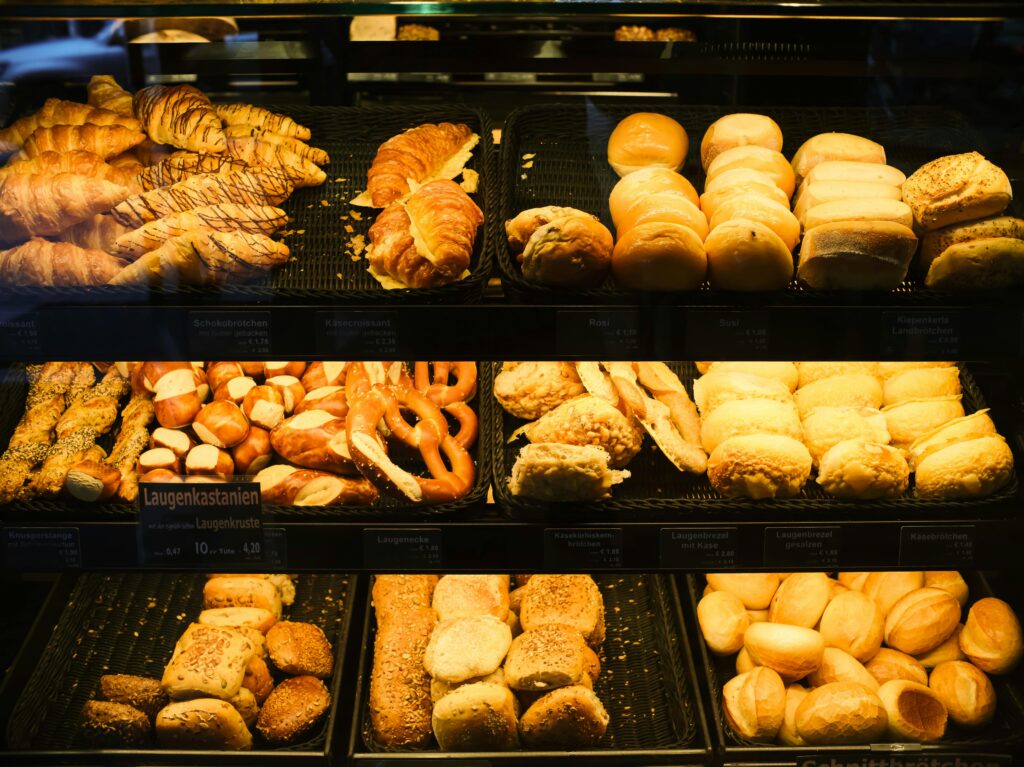
Walk into many small bakeries today, and you’ll see the same pattern: long display cases, crowded menus, and a little bit of everything. Croissants, sourdough, brioche, cakes, cookies, gluten-free options, vegan swaps, seasonal specials, and custom orders on top of that. On paper, it looks impressive. More choice should mean more customers, right?
Not quite.
Offering too much is one of the most common mistakes bakeries make. It usually comes from a good place. Bakers want to be creative. They want to serve different tastes. They experiment with a base dough, swap ingredients, or try new techniques. Before long, the menu expands beyond what the team, the space, and the systems can realistically support.
The result is rarely growth. More often, it’s slower operations, higher costs, and a brand that feels scattered.
Let’s break down why menu overload hurts more than it helps, and what to do instead.
The Hidden Cost of Menu Overload
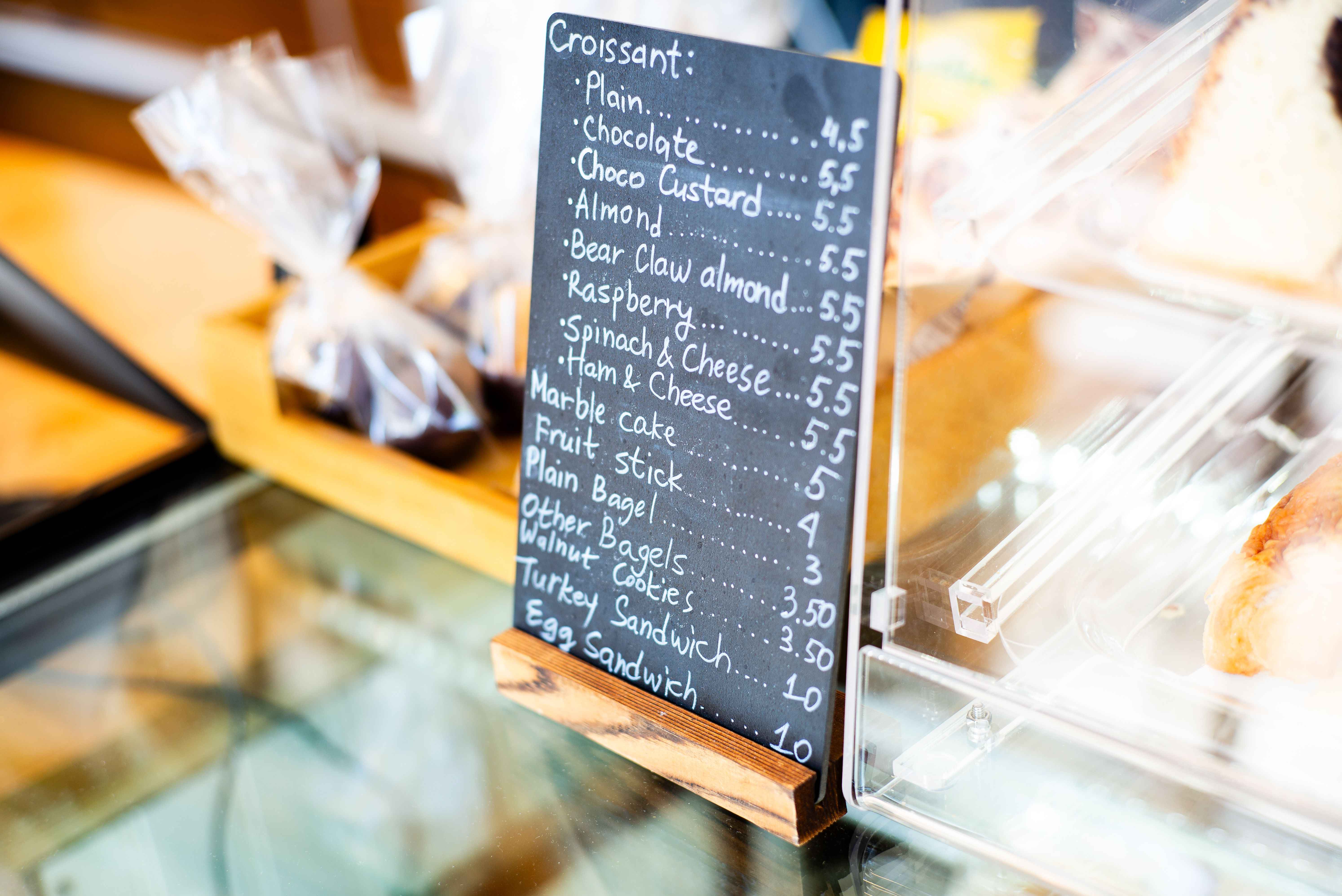
At first glance, adding more items feels like a low-risk move. If one product doesn’t sell, another might. But each new item adds complexity behind the scenes.
1. Slower Production
Every variation changes your workflow. Different proofing times, mixing methods, baking temperatures, and finishing steps all compete for time and equipment. Even small changes add friction.
Instead of a smooth production line, your kitchen becomes a juggling act. Staff switches between tasks more often. Mistakes increase. Output slows down.
What could have been a consistent, efficient morning bake turns into constant catching up.
2. Inventory Chaos
More products mean more ingredients. Not just flour and sugar, but specialty items, fillings, toppings, and add-ons.
Tracking inventory becomes harder. You either overstock and tie up cash, or run out of key items at the worst time. Storage space gets tight. Ordering becomes reactive instead of planned.
This is where tools like improvers can actually help when used properly. Instead of maintaining multiple dough variations for texture or shelf life, a well-chosen bread improver can standardize results across a smaller, more focused range. But it only works if the menu itself is controlled.
3. Increased Waste
A wide menu almost guarantees inconsistency. And inconsistency leads to waste.
The more you offer, the harder it is to predict demand. Some items will sell out early. Others will sit. At the end of the day, unsold products mean lost revenue. Perishable ingredients that don’t get used in time add to the waste.
4. Confused Customers
Choice is good, but too much choice creates hesitation. When customers face a crowded display with no clear highlights, they take longer to decide. Sometimes they default to something safe. Sometimes they walk away.
A strong bakery should guide decisions, not overwhelm them. A tight menu signals confidence. It tells customers, “These are our best products.”
5. Weak Brand Identity
The most successful bakeries are known for a few things done exceptionally well. If you try to be everything, you end up standing for nothing.
Are you known for artisan sourdough? Laminated pastries? Celebration cakes? Healthy options? When your menu pulls in too many directions, customers struggle to remember what makes you special. That makes it harder to build loyalty and word-of-mouth.
6. Lower Profits
More products don’t automatically mean more sales. In fact, they often mean higher costs.
Labor increases because of complexity. Ingredient costs rise with variety. Waste eats into margins. Slower production limits how much you can actually sell. In the end, your revenue may stay flat while your expenses climb.
How Successful Bakeries Build A Strong, Profitable Menu

Scaling back doesn’t mean limiting your creativity. It means focusing on where it counts. Here are smarter ways to build a strong, profitable bakery menu.
1. Define your Core Products
Start by identifying your top sellers and most profitable items. These should form the backbone of your menu.
Ask yourself:
- What do customers come back for?
- What can we produce consistently at high quality?
- What gives us the best margins?
Double down on those.
2. Simplify your Production System
Look for ways to streamline your process. Can multiple products come from the same base dough? Can you reduce variations without sacrificing appeal?
This is where thoughtful use of bread improvers can support consistency. Instead of creating separate formulas for every texture or shelf-life need, you can standardize your dough and adjust performance more efficiently.
The goal is fewer moving parts, not more.
3. Rotate, Don’t Accumulate
If you enjoy experimenting, rotate items instead of adding them permanently.
Seasonal specials, limited-time flavors, or weekly features keep your menu fresh without overwhelming your operations.
Customers still get variety, but your kitchen stays manageable.
4. Design for Clarity
Make your menu easy to understand at a glance. Highlight bestsellers. Group similar items. Avoid cluttered descriptions.
A clean, focused display helps customers decide faster and feel more confident in their choice.
5. Track Performance Regularly
Not all products deserve a permanent spot.
Review your sales data. Identify items that underperform or create operational strain. Be willing to cut them.
This can be uncomfortable, especially if you’re personally attached to a product. But your menu should serve your business, not your ego.
6. Build a Clear Identity
What do you want to be known for? Reinforce it in everything you offer. If you’re a sourdough bakery, make that your strength. If laminated pastries are your specialty, refine and expand within that lane.
Clarity builds recognition. Recognition builds loyalty.
Less really is more
It’s easy to believe that more options will attract more customers. In reality, too many options often push them away and strain your business in the process.
A focused menu helps strengthen your business, giving your team room to master their craft. It reduces waste and inefficiency. It helps customers understand and remember you. And ultimately, it makes your bakery more profitable and sustainable.
Author Bio: Carmina Natividad is a resident writer for Mauri, a trusted name in baking supplies and ingredients across Australia and New Zealand. She enjoys sharing practical insights and inspiration to help bakers, from local artisans to large-scale producers, create consistently high-quality, delicious baked goods.