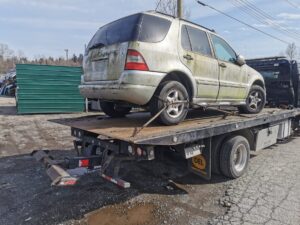
Owning a car in Ohio comes with a unique set of challenges. From freezing winters with heavy snowfall to humid summers and unpredictable road conditions, vehicles in this state experience more environmental stress than in many other parts of the United States. In 2026, with increasingly advanced vehicles and smarter maintenance technology, extending your car’s lifespan is more achievable than ever—if you know how to care for it properly.
Whether you drive through the busy streets of Columbus, the snowy roads of Cleveland, or the rural highways across Ohio, your vehicle needs consistent attention. Below are practical, up-to-date, and effective tips to help you maximize your car’s life in Ohio’s demanding conditions. Explore Horizon Driving School in Ohio, USA.
- Prioritize Regular Oil Changes with Seasonal Awareness
Oil is the lifeblood of your engine, and Ohio’s temperature fluctuations make it even more important to stay consistent. Cold winters thicken engine oil, while hot summers can break it down faster.
In 2026, many modern vehicles use synthetic oil, which performs better in extreme temperatures. Still, you should not ignore scheduled oil changes. Check your owner’s manual, but generally:
- Change oil every 5,000–7,500 miles for synthetic oil
- Consider more frequent changes if you drive in stop-and-go traffic or harsh winter conditions
Fresh oil ensures smoother engine performance and reduces long-term wear caused by Ohio’s seasonal stress.
- Protect Your Car from Road Salt Damage
One of the biggest threats to vehicles in Ohio is road salt used during winter. While it keeps roads safe, it accelerates rust and corrosion on your car’s underbody, brake lines, and wheel wells.
To combat this:
- Wash your car frequently in winter, ideally once every 1–2 weeks
- Always include an undercarriage wash
- Apply rust-proofing or undercoating before winter begins
- Wax your car at least twice a year for extra protection
Ignoring salt buildup can reduce your vehicle’s lifespan significantly, especially in older models.
- Invest in Quality Winter Tires
Ohio winters are unpredictable—snowstorms, black ice, and freezing rain can occur within days. Standard all-season tires may not provide enough grip in severe conditions.
Switching to winter tires improves:
- Traction on icy roads
- Braking distance in snow
- Overall vehicle control
In 2026, many tire brands also offer smart tread technology that adapts better to cold surfaces. Rotate your tires regularly and maintain correct air pressure, as cold temperatures naturally reduce tire pressure.
- Keep Up with Battery Maintenance
Cold weather is tough on car batteries. In Ohio winters, battery failures are one of the most common roadside issues.
To prevent unexpected breakdowns:
- Test your battery before winter starts
- Replace batteries older than 3–5 years
- Keep terminals clean and free from corrosion
- Consider a battery warmer if you park outdoors
Modern vehicles in 2026 often rely heavily on electronics, making a strong battery even more critical.
- Don’t Ignore Brake System Care
Ohio’s stop-and-go traffic in urban areas like Cincinnati and Cleveland puts extra pressure on brake systems. Add slippery winter roads, and your brakes work even harder.
To extend brake life:
- Get brake pads inspected every 10,000–15,000 miles
- Replace worn pads before they damage rotors
- Listen for squeaking or grinding sounds
- Flush brake fluid every 2–3 years
Good braking performance is not just about safety—it also prevents expensive long-term repairs.
- Maintain Proper Tire Alignment and Suspension
Ohio’s roads often suffer from potholes due to freeze-thaw cycles. Hitting potholes can misalign your wheels and damage suspension systems.
Signs of misalignment include:
- Uneven tire wear
- Steering pulling to one side
- Vibrations at higher speeds
To avoid long-term damage:
- Get wheel alignment checked once a year
- Inspect suspension after harsh winter seasons
- Avoid potholes whenever possible (especially after snow melts)
- Use Engine Warm-Up Wisely in Winter
Many drivers still believe long engine warm-ups are necessary. In modern 2026 vehicles, this is outdated.
Instead:
- Start your car and let it idle for 30–60 seconds
- Drive gently for the first few miles
- Avoid hard acceleration until the engine warms up
This method reduces engine strain while improving fuel efficiency and longevity.
- Keep Fluids at Optimal Levels
Your vehicle relies on multiple fluids beyond engine oil, including coolant, transmission fluid, brake fluid, and windshield washer fluid.
In Ohio conditions:
- Coolant prevents overheating in summer and freezing in winter
- Washer fluid should be winter-grade to prevent freezing
- Transmission fluid should be checked regularly for smooth gear shifting
Neglecting fluids is one of the fastest ways to shorten a car’s lifespan.
- Wash and Wax Your Car Year-Round
Dirt, salt, rain, and UV exposure all contribute to wear and tear. Regular washing is not just cosmetic—it is protective maintenance.
Best practices:
- Wash at least twice a month
- Increase frequency in winter
- Wax every 3–6 months for paint protection
- Clean door seals to prevent freezing in winter
A well-maintained exterior also helps preserve resale value.
- Drive Smoothly and Avoid Aggressive Habits
Driving style has a major impact on your car’s lifespan. Harsh braking, rapid acceleration, and speeding over potholes can all cause long-term damage.
To extend vehicle life:
- Accelerate gradually
- Brake smoothly
- Avoid unnecessary idling
- Maintain steady highway speeds
In Ohio’s mixed driving conditions, smooth driving habits can significantly reduce mechanical stress.
- Pay Attention to Warning Lights Immediately
Modern vehicles in 2026 are equipped with advanced diagnostic systems. Ignoring warning lights can turn minor issues into expensive repairs.
If a warning light appears:
- Don’t delay diagnosis
- Use onboard diagnostic tools or visit a mechanic
- Address issues early before they escalate
Early action often saves both money and engine life.
- Store Your Vehicle Properly When Possible
If you have access to a garage, use it—especially during winter and summer extremes.
Benefits include:
- Protection from snow, ice, and salt
- Reduced UV damage in summer
- Longer battery and paint life
If indoor storage is not possible, consider a high-quality car cover.
Final Thoughts
Extending your car’s life in Ohio is not about one major action—it is about consistent care tailored to the state’s unique climate and road conditions. From harsh winters with salt-covered roads to pothole-heavy springs and humid summers, every season adds its own challenges.
By following these practical tips—regular maintenance, smart driving habits, and seasonal preparation—you can significantly increase your vehicle’s reliability and lifespan in 2026 and beyond. A well-maintained car not only saves money on repairs but also ensures safer and more comfortable driving across Ohio’s diverse landscapes.