Managing Parkinson’s Symptoms
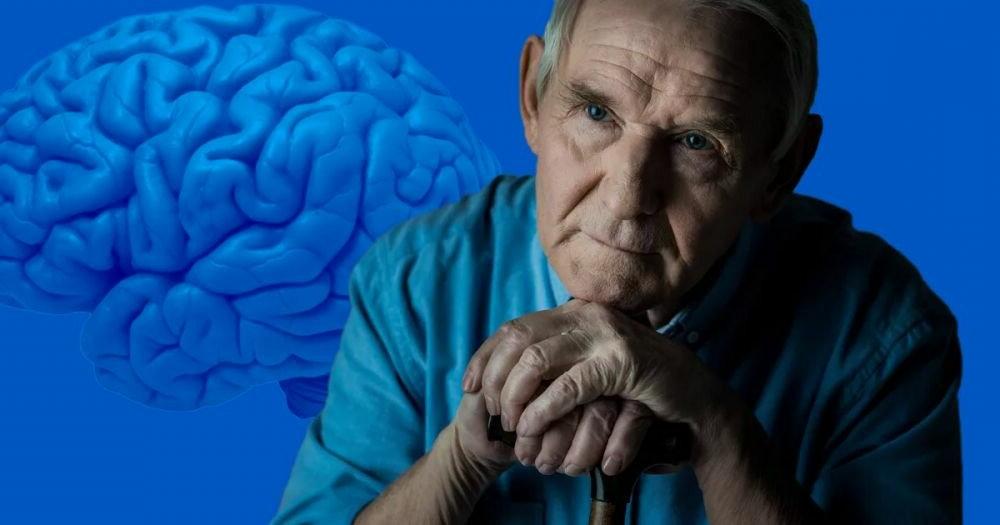
Parkinson’s disease is a progressive neurological condition that affects movement, coordination, and many aspects of daily life. While there is no cure, medications play a central role in controlling symptoms and helping people maintain independence. This guide explains the most commonly used medications, how they work, and what to expect during treatment.
Understanding Parkinson’s and Dopamine
Parkinson’s disease develops when dopamine-producing cells in the brain gradually deteriorate. Dopamine is essential for smooth, controlled muscle movements.
As dopamine levels fall, symptoms such as tremors, stiffness, slow movement (bradykinesia), and balance issues appear. Non-motor symptoms like depression, sleep disturbances, and fatigue are also common.
Medicines try to fix the levels of dopamine in the brain or act like it to make the symptoms better.
Goals of Medication Therapy
Treatment is designed to:
- Improve movement and coordination
- Reduce tremors and stiffness
- Minimize “off” periods
- Manage non-motor symptoms
- Enhance overall quality of life
Therapy is highly individualized and may change over time depending on symptom progression.
Levodopa-Carbidopa: The Most Effective Option
Levodopa is the most effective medication for Parkinson’s disease. It converts into dopamine once it reaches the brain, directly addressing the deficiency.
When this medication is paired with carbidopa, it helps stop it from breaking down too quickly and reduces side effects like feeling sick to your stomach. This combination really helps with movement problems, like stiffness and slow movement, making it easier for people to get around and do everyday things.
However, long-term use may lead to fluctuations in symptom control and involuntary movements (dyskinesia).
Dopamine Agonists
Dopamine agonists mimic dopamine by stimulating its receptors in the brain. They are often used in early stages or alongside levodopa.
Common examples include pramipexole, ropinirole, and rotigotine patches. These medications can help delay the need for higher doses of levodopa.
Side effects may include drowsiness, dizziness, hallucinations, and impulse control issues, so monitoring is important.
MAO-B Inhibitors
Monoamine oxidase-B (MAO-B) inhibitors slow the breakdown of dopamine in the brain. This helps maintain dopamine levels for a longer time.
Some examples of these kinds of drugs are selegiline, rasagiline, and safinamide. They’re usually given to people in the early stages of Parkinson’s, or used along with other treatments.
These medications can provide some relief from mild symptoms and may also help decrease the number of “off” periods that people experience.
COMT Inhibitors
COMT inhibitors are used alongside levodopa to extend its duration of action. They block enzymes that break down dopamine, helping maintain more stable levels.
Some common choices for treatment are entacapone, tolcapone, and opicapone. These medicines can be really helpful for people who have problems with their symptoms coming back, known as “wearing-off” effects.
Amantadine
Amantadine can help reduce tremors and improve movement. It is also effective in managing dyskinesia caused by long-term levodopa use.
This medication is usually added to other treatments and most people can take it without any problems. However, some people might feel dizzy, get swollen, or even see or hear things that aren’t there.
Anticholinergic Medications
Anticholinergics are a type of medication that can help calm tremors by getting the brain’s chemicals in balance. Doctors often prescribe them to younger patients who are just starting to show mild symptoms, as they can be pretty effective in helping to control the shaking.
These days, doctors don’t prescribe them as much because they can cause some pretty bad side effects, like memory issues, confusion, and dry mouth – especially in older people.
Managing “On-Off” Fluctuations
As Parkinson’s progresses, patients may notice changes in how well medications control symptoms.
“On” periods: Symptoms are well controlled
“Off” periods: Symptoms return
To help manage fluctuations, doctors might change when you take your medicine, how much you take, or try different combinations of medicines. This can help make your treatment more consistent and effective.
Treating Non-Motor Symptoms
Parkinson’s disease affects more than movement. Non-motor symptoms can significantly impact daily life.
These include:
- Depression and anxiety
- Sleep disturbances
- Constipation
- Fatigue
Managing these symptoms may involve additional medications, counseling, and lifestyle adjustments.
Combination Therapy
Most people with this condition find that taking more than one medication helps. This is because it attacks the problem from different angles in the brain, which can lead to better control over their symptoms.
Combination therapy can also help reduce side effects by allowing lower doses of individual drugs.
Doctors regularly review and adjust treatment plans to ensure the best outcomes.
Lifestyle and Supportive Therapies
Taking your meds is most effective when you also make healthy choices in your daily life. Getting regular exercise can really help boost your strength, make you more flexible, and improve your balance.
A nutritious diet supports overall health, while stress management can help reduce symptom severity.
Therapies such as physiotherapy, occupational therapy, and speech therapy are also important for maintaining independence.
Advanced Treatment Options
When medications are no longer sufficient, advanced treatments may be considered.
Deep brain stimulation (DBS) is a surgical procedure that uses implanted electrodes to regulate brain activity. It can significantly improve motor symptoms in suitable patients.
Another choice is using systems that give you medicine all the time, like infusion therapies.
Importance of Regular Monitoring
Parkinson’s disease requires ongoing management. Regular check-ups help ensure medications remain effective and side effects are controlled.
Patients should report any changes in symptoms or new side effects to their healthcare provider promptly.
Medication Safety Tips
To get the best results from treatment:
- Take medications exactly as prescribed
- Follow a consistent schedule
- Avoid skipping doses
- Inform your doctor about all medications and supplements
Proper adherence is essential for stable symptom control.
Looking Ahead
Research into Parkinson’s disease continues to advance. New therapies are being developed to improve symptom control and potentially slow disease progression.
Right now, we’re mostly just treating the symptoms, but hopefully soon we’ll have some new discoveries that can really make a difference and provide more lasting relief.
Conclusion
Managing Parkinson’s symptoms requires a comprehensive and personalized approach. Medications such as levodopa, dopamine agonists, and enzyme inhibitors play a vital role in improving daily life.
With the right treatment plan, regular medical care, and supportive lifestyle changes, individuals with Parkinson’s disease can maintain independence and achieve a better quality of life.