Industrial Drawer Cabinet Safety Standards You Should Know
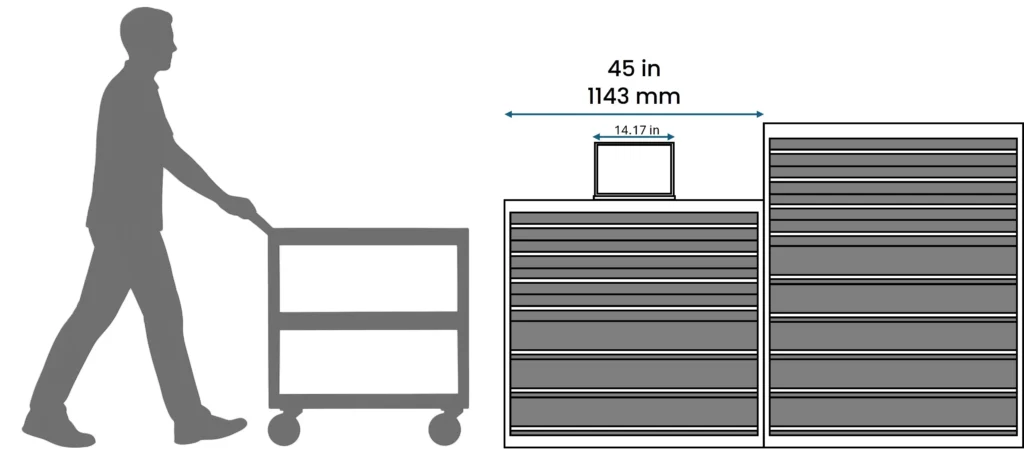
Safety is a critical priority in industrial environments where heavy tools, machinery parts, and equipment are stored and accessed daily. Poorly designed or improperly used storage systems can create risks such as tipping hazards, injuries, and equipment damage. For this reason, understanding safety standards for storage systems is essential for maintaining a secure and efficient workplace.
An industrial drawer cabinet is widely used in factories, workshops, and maintenance facilities due to its strength and organization capabilities. However, ensuring safe usage requires adherence to proper design, installation, and operational guidelines. A well-built industrial drawer cabinet supports workplace safety by combining durability with essential protective features.
Importance of Safety in Industrial Storage Systems
Industrial storage units are subjected to frequent use and heavy loads, making safety a key consideration. Without proper safety measures, cabinets can become unstable or difficult to operate, increasing workplace risks.
Common hazards include:
- Tipping due to uneven weight distribution
- Drawer collapse from overloading
- Injuries from sharp or heavy tools
- Obstructions in high-traffic areas
Following safety standards helps minimize these risks and ensures a more controlled working environment.
Load Capacity and Weight Management Standards
One of the most important safety factors is load management. Every drawer in an industrial cabinet is designed with a specific weight limit, which must not be exceeded.
Safety practices include:
- Distributing weight evenly across drawers
- Placing heavier items in lower compartments
- Avoiding stacking of excessive tools in a single drawer
- Regularly checking manufacturer load guidelines
Proper load handling prevents structural stress and reduces the risk of mechanical failure.
Anti-Tip Mechanisms and Stability Requirements
Tipping is one of the most serious hazards in storage systems, especially when multiple drawers are opened simultaneously. Safety standards often require anti-tip features to prevent accidents.
Key stability features include:
- Interlocking systems that limit multiple drawer opening
- Weighted or reinforced base structures
- Secure anchoring options for fixed installations
- Balanced design to maintain center of gravity
These features help ensure that the cabinet remains stable even under heavy usage.
Drawer Locking and Access Control
Security and safety go hand in hand in industrial environments. Locking mechanisms help prevent unauthorized access and accidental opening of drawers.
Important locking features include:
- Central locking systems for all drawers
- Individual drawer locks for sensitive items
- Key or combination-based security options
- Lock engagement indicators for user awareness
These systems protect both workers and valuable equipment stored inside the cabinet.
Material Strength and Construction Standards
The structural integrity of an industrial cabinet plays a major role in overall safety. Weak materials or poor construction can lead to long-term risks.
Safety-oriented construction includes:
- Heavy-duty steel frames for durability
- Reinforced joints and welds for stability
- Corrosion-resistant coatings to prevent degradation
- Thick panels to support heavy loads
Strong construction ensures reliable performance under continuous industrial use.
Smooth Operation and Maintenance Safety
Faulty drawer mechanisms can lead to accidents or operational delays. Smooth and predictable movement is essential for safe daily use.
Safety-related operational features include:
- Ball-bearing slides for controlled movement
- Anti-jamming systems to prevent sudden blockage
- Full-extension drawers for better visibility
- Regular maintenance access for inspection
Routine maintenance ensures that all moving parts function safely and efficiently.
Ergonomic Design and Worker Safety
Ergonomics plays an important role in reducing physical strain and improving user safety. Poorly designed storage systems can lead to injuries or discomfort during repeated use.
Ergonomic safety features include:
- Easy-grip handles for smooth operation
- Optimal drawer height for reduced bending
- Lightweight sliding mechanisms for reduced effort
- Clearly labeled compartments for quick access
These features help create a safer and more comfortable working environment.
Environmental Safety Considerations
Industrial environments often expose storage systems to dust, moisture, and chemicals. Cabinets must be designed to withstand these conditions safely.
Environmental safety features include:
- Rust-resistant coatings for moisture protection
- Durable finishes resistant to chemicals and oils
- Sealed surfaces to reduce dust accumulation
- Heat-resistant materials for high-temperature environments
These protections ensure long-term safety and reliability.
Conclusion
Industrial storage systems must meet strict safety standards to ensure efficient and risk-free operation in demanding environments. Proper design, load management, and structural stability all contribute to safer workplace conditions.
An industrial drawer cabinet that adheres to safety standards provides both reliability and protection in industrial settings. By following proper usage guidelines and maintaining safety features, businesses can create a more secure, organized, and efficient working environment.