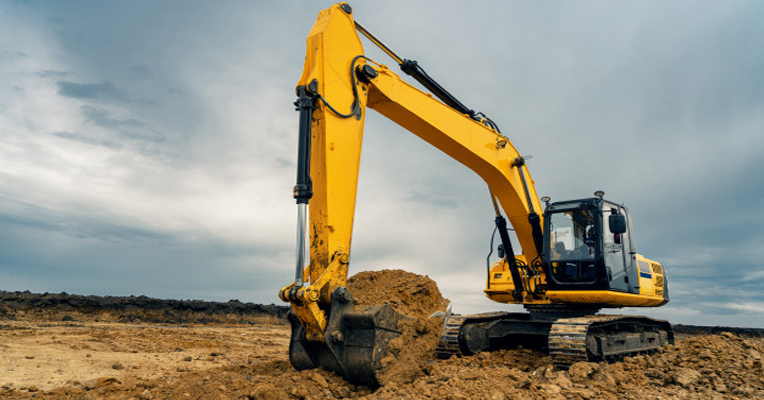
Excavating oil fields is in high demand, but it is also one of the highest-risk operations within the energy industry. Excavation contractors are exposed to high-risk environments throughout their operations, where having a safe work site is imperative for protecting the workforce, equipment, surrounding communities, and the environment. Well-versed oilfield excavation contractors follow strict safety standards so that they can reduce accidents, prevent environmental damage, and meet all applicable regulations on every project they undertake. Through the usage of advanced safety procedures, trained personnel, and specialized equipment, oilfield excavation contractors create safe and efficient working conditions for all phases of an excavation operation.
Comprehensive Site Assessment Before Excavation
A professional oilfield excavation contractor will conduct a thorough site evaluation to identify potential hazards before commencing excavation work. The evaluation includes determining the soil’s stability, locating underground utilities, assessing the environmental hazards, evaluating weather conditions, and determining what adjacent structures may impede safe excavation operations. To assist with the identification of hazards on-site, many contractors will employ various advanced inspection techniques to identify the location of pipelines, cables, or other types of infrastructure that could create hazards during excavation operations. Identifying hazards early in the process will significantly reduce the chance of an accident occurring, damage to equipment, and costly delays in completing the project.
Strict Compliance With OSHA and Industry Regulations
Expert excavators in the oilfield take safety very seriously. Since they often work where there are hazards and high levels of machinery used, excavation contractors must comply with the regulations set out by the Occupational Safety and Health Administration (OSHA), as well as any other local, state, or federal requirements pertaining to oilfield operations. Regulations include things such as worker protection, emergency procedure development, and safe operation of equipment, trench safety, and safe entry into confined spaces.
Proper Trenching and Shoring Techniques
The majority of trench collapses occur in excavation work, which is why excavation contractors follow strict safety standards for trenching and shoring. Depending on the type of soil and the depth of excavations, excavation contractors may use trench boxes, hydraulic shoring, benching, or sloping to protect from trench cave-ins. Excavation teams continuously monitor trench conditions because soil stability can vary throughout a project due to moisture, vibration, and weather conditions. Additionally, excavation contractors develop safe systems of entry and exit for workers within trenches, and they maintain safe distances between heavy equipment and excavation edges. All of these trench safety precautions greatly reduce the risk of injury or death while helping to establish a secure working environment on oilfield sites.
Equipment Inspection and Maintenance Protocols
Heavy machinery used for digging oil wells must be safe to operate in an environment where some of these conditions are extreme. To make sure equipment like backhoes, bulldozers, front-end loaders, and trenchers continue to run reliably, skilled contractors implement regularly scheduled maintenance inspections and other types of servicing for machines. Before each work shift, operators conduct visual checks of hydraulic systems, brakes, tracks, safety beacons, lighting, and other key components of equipment that can all potentially fail mechanically; this helps identify possible mechanical property failures before they become a liability. Contractors also maintain thorough records of all previous regular maintenance and follow manufacturer-specified preventative maintenance routines on all their equipment as an additional way to reduce the risk of mechanical breakdowns.
Worker Training and Personal Protective Equipment
Workers receive training regarding hazard recognition, emergency response protocols, operation safety procedures, and communication protocols that are specific to oilfield working environments. All contractors also require employees to utilize personal protective equipment (PPE), such as hard hats, high-visibility outerwear, boots with steel reinforcing in the toe area, gloves, respiratory protection devices, and goggles (safety glasses), depending on the specific job being performed. Many contractors also conduct daily safety briefings and toolbox discussions to review project-related hazards and create a culture of awareness amongst their crew members. Regular training and compliance with PPE usage can help reduce the incidence of injuries occurring in the workplace, as well as allow crew members to be in a greater position to react to high-risk situations effectively.
Summary
Safety standards are crucial in all areas of professional oilfield excavation operations, including site assessments before a project begins, systems for trench protection, upkeep of equipment, training workers, and safeguarding the environment. Seasoned oilfield excavation contractors near me implement safety measures to help reduce risks while ensuring that they run their operations efficiently. Safety practices protect workers and equipment and make sure that companies comply with all regulations in the industry and with state and federal environmental regulations. Companies that hire an experienced oilfield excavation contractor will achieve a safer worksite, a reduction in project delays, increased productivity, and increased long-term dependability. As the oil and gas industry evolves, the importance of maintaining strict excavation safety standards will continue to be very important in order for projects to be executed successfully and responsibly.