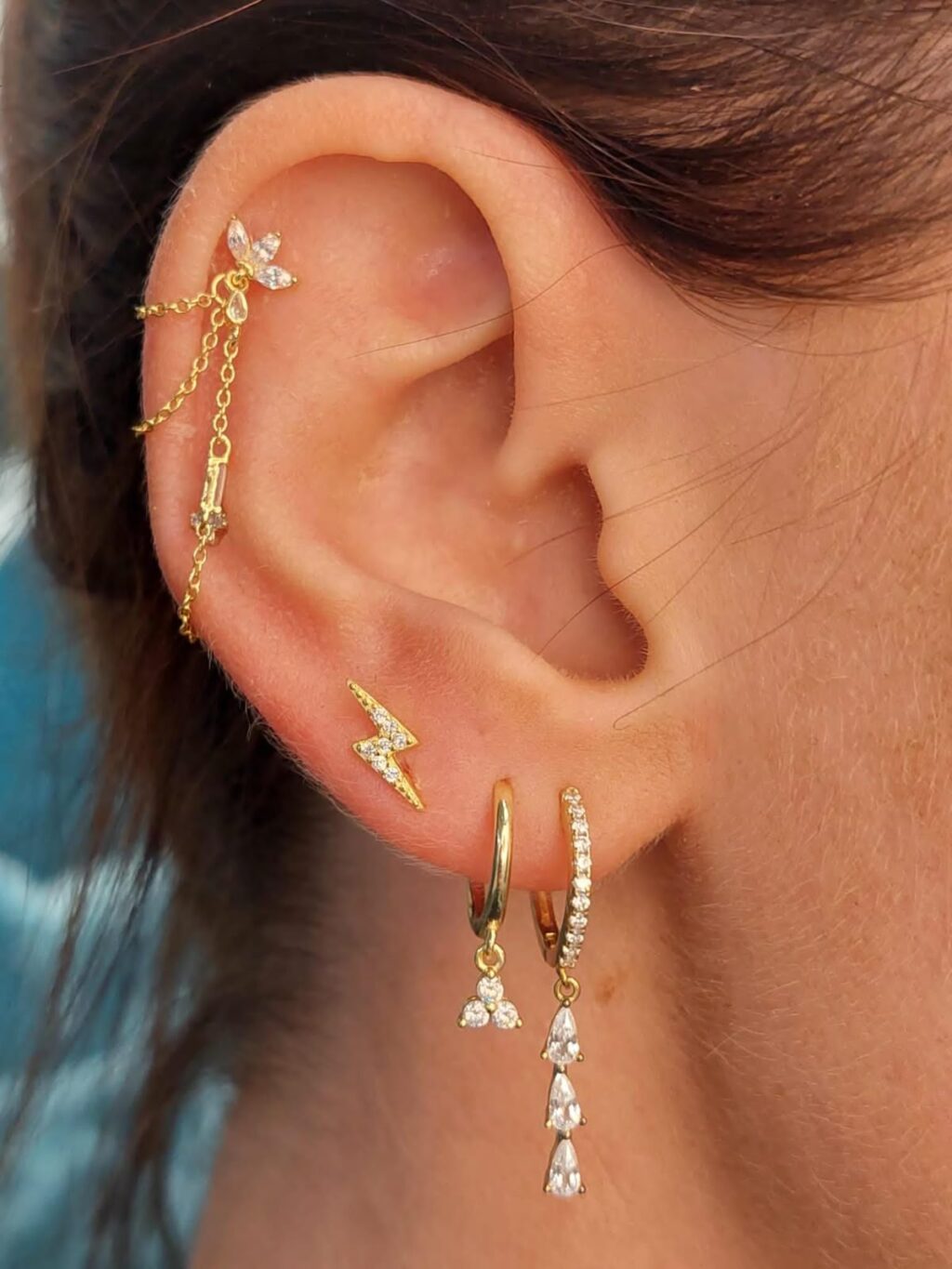
When most people think about ear piercings, they picture a simple lobe piercing. However, the ear contains several unique areas that can be transformed through carefully chosen placements. A single addition can completely change the overall appearance of the ear, while multiple piercings can create a look that feels personal and intentional.
Over the years, ear piercings have become a popular way to showcase individuality. Some people prefer a minimal arrangement with one or two piercings, while others enjoy combining different placements across the ear. Regardless of the approach, understanding the available options is an important first step.
Today, there are more piercing styles available than ever before. Knowing where each piercing is located and how it works with other placements can help you make informed decisions before booking an appointment.
Understanding the Structure of the Ear
The ear is made up of both soft tissue and cartilage. Each section offers different piercing opportunities and healing experiences.
The lower lobe is generally considered the easiest area to pierce because it contains soft tissue. Cartilage sections, including the helix, tragus, rook, and conch, often require additional healing time but provide a wider range of styling possibilities.
Before choosing a placement, many people prefer to discover everything about the ear piercing chart to understand the exact location of each piercing and how various combinations may look together.
The Most Popular Ear Piercing Placements
Lobe Piercing
The traditional lobe piercing remains one of the most requested options. It works well with studs, hoops, and various decorative jewelry styles.
Second and Third Lobe Piercings
Adding extra lobe piercings can create dimension without moving into cartilage areas. These placements are often selected by individuals who want a layered appearance.
Helix Piercing
Positioned along the outer edge of the ear, the helix offers a noticeable yet versatile option. It can be worn alone or paired with other piercings.
Forward Helix Piercing
This placement sits near the front portion of the ear and is commonly chosen for its distinctive location.
Tragus Piercing
The tragus is located on the small cartilage flap near the ear canal. It creates a unique focal point and works well with minimalist jewelry.
Conch Piercing
The conch is found in the center of the ear’s cartilage structure. Because of its location, it often becomes one of the most noticeable piercings in an arrangement.
Daith Piercing
Placed in the inner cartilage fold, the daith offers a different look compared to more traditional placements.
Rook Piercing
The rook sits within the upper cartilage ridge and is often selected by those interested in creating a layered ear design.
Industrial Piercing
This style connects two separate cartilage piercings with a single barbell. It creates a bold visual effect and is often considered one of the more distinctive ear piercing choices.
Why Piercing Size Matters
Placement is only one part of the process. Jewelry size also plays a significant role in comfort and appearance.
Many people refer to an ear piercing size chart before purchasing jewelry. These charts explain common gauge measurements and lengths used for different piercing locations.
A proper fit helps reduce unnecessary pressure while supporting a more comfortable healing experience. Since ear anatomy varies from person to person, professional advice remains valuable when selecting jewelry dimensions.
Planning Multiple Piercings
Creating an attractive ear arrangement often involves balancing different placements. Instead of adding random piercings over time, many individuals plan a layout in advance.
Popular combinations include:
- Double lobe and helix pairings
- Triple lobe arrangements
- Helix and conch combinations
- Tragus with multiple lobe piercings
- Mixed cartilage designs
Careful planning can help ensure that each piercing complements the others rather than competing for attention.
Using Charts to Explore Possibilities
Visual references make it much easier to understand placement options. Written descriptions can be helpful, but seeing each piercing on an ear diagram often provides greater clarity.
An all ear piercings chart allows individuals to view numerous piercing locations at once. This makes it easier to compare options and identify favorites.
Similarly, a types of ear piercing chart can help people learn the names and positions of different piercings before discussing them with a professional.
An ear chart for piercings is especially useful during the planning stage because it provides a visual overview of the ear’s anatomy and available piercing locations.
Those looking for inspiration often explore an ear piercing types chart to see how various placements can work together within a single arrangement.
An all ear piercing chart can also help individuals discover options they may not have previously considered.
Reviewing several ear piercing charts before an appointment often leads to more confident decisions and better communication with a piercer.
Choosing Piercings That Suit Your Daily Routine
While appearance is important, comfort should not be overlooked. Certain piercings may interact differently with headphones, helmets, glasses, or sleeping positions.
People with active lifestyles often consider healing requirements before selecting cartilage placements. Thinking about these practical details beforehand can help avoid frustration later.
For those interested in exploring additional piercing inspiration and educational resources, Antiquecut offers valuable information to help individuals better understand their options before making a decision.
Final Thoughts
Ear piercings provide countless opportunities to create a look that feels individual and meaningful. From classic lobe piercings to more detailed cartilage arrangements, every placement contributes something unique to the overall appearance of the ear.
Learning about placement options, jewelry sizing, and piercing combinations can make the entire process easier and more enjoyable.