The Essential Hoodie Styles Every Wardrobe Needs
A good hoodie solves more wardrobe problems than most people realize. It keeps you comfortable on cold mornings, gives a simple outfit more personality, and works as an extra layer when the weather cannot make up its mind. You can wear one at home, on a weekend coffee run, during a flight, or under a jacket for an evening out.
The best hoodie styles do not all look or feel the same. Some are clean and understated. Others use oversized fits, bold graphics, unusual colors, or athletic details to make an outfit stand out. Building a useful collection means choosing pieces that suit different temperatures, occasions, and personal preferences.
You do not need a closet packed with nearly identical sweatshirts. A smaller group of well-chosen hoodie styles gives you more outfit options and makes getting dressed easier. The key is knowing which designs deserve space in your wardrobe and how to wear each one without making every outfit feel repetitive.
Why hoodies have become everyday wardrobe staples
Hoodies were once associated mainly with sportswear, gym clothes, and relaxed weekends. Their role has expanded. People now wear hoodie styles with jeans, cargo pants, coats, tailored trousers, and even smarter footwear. The comfort is still there, but the styling possibilities are much broader.
That flexibility explains why a hoodie can stay in regular rotation throughout most of the year. A thick pullover handles colder days, while a lightweight zip-up works in spring or during cool summer evenings. The same basic garment can look sporty, minimal, rugged, or polished depending on the fit and the pieces worn around it.
There is a practical advantage too. Hoodies require little effort. You can pull one on over a T-shirt and have a complete casual outfit in seconds. Add a structured coat, clean sneakers, and straight-leg pants, and the look feels considered rather than careless.
The classic pullover hoodie
The pullover is the foundation of most hoodie collections. It has no front opening, usually includes a kangaroo pocket, and gives the body a clean, uninterrupted shape. That simple construction makes it easy to wear alone or beneath roomier outerwear.
Neutral colors are the safest starting point. Black, charcoal, navy, cream, and heather gray pair with almost everything. A medium-weight pullover in one of these shades can work with denim during the weekend, joggers at home, or chinos when you want a neater casual outfit.
Fit changes the impression. A regular fit looks tidy and familiar, while a slightly loose cut feels more relaxed. The shoulder seam should sit close to your natural shoulder unless the hoodie is intentionally oversized. Sleeves can have a little extra length, but cuffs should not swallow your hands.
A design such as the coach hoodie can bring a sport-inspired note to this part of a wardrobe. Pairing a recognizable hoodie with plain trousers and simple shoes keeps the outfit balanced and lets the top carry the visual interest.
How to wear a pullover without looking underdressed
The easiest approach is to pay attention to everything around it. Clean denim looks sharper than heavily distressed jeans. Leather sneakers feel more finished than worn-out running shoes. A wool coat, bomber jacket, or structured overshirt adds shape and prevents the outfit from looking like indoor clothing.
Color coordination matters as well. A gray hoodie under a black coat is dependable, but it is not your only option. Forest green works well with tan, burgundy pairs naturally with charcoal, and cream softens dark denim. Small color changes can make familiar hoodie styles feel new.
The zip-up hoodie for easy layering
A zip-up deserves its own place because it does a different job from a pullover. You can wear it open, partially zipped, or fully closed, which gives you more control over temperature and proportion. It is especially useful during travel or on days that begin cool and become warmer by afternoon.
Wear a lightweight zip-up over a plain T-shirt for an uncomplicated outfit. If the hoodie is dark, a white or pale gray shirt creates a clean contrast. For colder weather, place it under a denim jacket or relaxed coat. Keeping the hoodie thinner than the outer layer prevents bunching around the arms and shoulders.
The zipper adds a vertical line through the center of the body. That detail can make a loose outfit look more structured. It also gives you a chance to show another color or graphic underneath, so the outfit has more depth without requiring several heavy layers.
Avoid zip-ups that are too tight across the stomach or chest. The front should lie flat when closed. If the zipper bends or pulls, move up a size or choose a cut with more room through the torso.
The oversized hoodie
Oversized hoodie styles have become popular because they create a relaxed silhouette without requiring complicated styling. The best versions look intentionally roomy. They have dropped shoulders, a wide body, and enough length to sit below the waist without resembling an incorrectly sized garment.
Balance is the main concern. A large hoodie with equally loose pants can work, but the proportions need control. Straight-leg jeans, fitted joggers, or tapered cargo pants provide an easier starting point. Chunkier sneakers or boots can support the heavier shape of the top.
Fabric makes a major difference. A thin oversized hoodie may hang without structure, while dense cotton holds its form and creates a cleaner outline. Check the hood too. A well-shaped hood should sit neatly against the upper back instead of collapsing into a small bundle.
Keep accessories simple. A cap, compact shoulder bag, or watch is usually enough. The larger silhouette already makes a statement, so several loud additions can leave the outfit feeling crowded.
Graphic hoodies that show personality
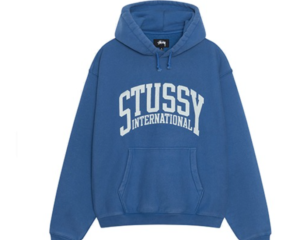
A graphic hoodie gives you more room to express a mood, interest, or point of view. The design might include lettering, an illustration, a team reference, or a small chest emblem. Each option changes how strongly the hoodie controls the outfit.
Large back prints work well when the rest of the clothing stays quiet. Dark jeans, neutral cargo pants, and solid sneakers give the artwork space. Smaller graphics are easier to layer because they do not compete as much with jackets, scarves, or patterned trousers.
Message-based pieces can feel more personal than a basic logo. The sincerely yours hoodie is an example of a garment that can become the focus of a casual outfit. Wearing it with restrained colors keeps attention on the words and overall design.
Placement matters when choosing graphic hoodie styles. A centered chest design tends to look classic. Small corner graphics feel quieter, while sleeve prints bring an edgier finish. Before buying, think about the jackets you already own. A busy hoodie beneath a jacket with patches, contrast stitching, or large hardware may create more detail than you want.
Keeping graphic outfits balanced
Repeat one color from the graphic elsewhere in the outfit. It could appear in your shoes, cap, bag, or socks. This small connection makes the combination feel deliberate without looking overly matched.
You should also consider scale. A hoodie with a large, colorful print usually works best with plain bottoms. A small monochrome logo leaves more room for textured pants or bolder footwear. The goal is not to remove personality. It is to give each detail enough space to be noticed.
The cropped or fitted hoodie
Cropped and fitted hoodie styles offer a cleaner alternative to loose streetwear shapes. A cropped hem can create definition at the waist, while a fitted cut works well beneath jackets that do not have much extra room.
High-rise jeans and trousers pair naturally with shorter hoodies because they reduce the gap between the top and waistband. A longer coat over the outfit creates contrast and adds coverage. For a sporty look, fitted leggings or flared athletic pants keep the silhouette consistent.
Length should feel intentional. A hoodie that ends at the natural waist usually looks more polished than one that stops at an awkward point between the waist and hips. Check the hem while sitting and raising your arms, not only while standing in front of a mirror.
Fitted hoodies should skim the body without restricting movement. You need enough space to wear a thin layer underneath and move your shoulders comfortably. Stretch in the fabric helps, but correct sizing still matters more.
Neutral hoodies for repeat wear
Neutral hoodie styles are useful because they can appear several times in the same week without making every outfit look identical. The supporting pieces change the result. A black hoodie with blue denim feels casual, while the same hoodie with charcoal trousers and a dark coat looks sharper.
Gray is often the easiest neutral because it sits comfortably beside black, white, navy, brown, and muted green. Cream and oatmeal shades brighten darker wardrobes, though they require more care around food, makeup, and dirty surfaces. Navy offers a softer alternative to black while remaining easy to match.
Look beyond color when comparing neutral hoodies. Texture can add interest without reducing versatility. Brushed fleece feels soft and casual. A smooth cotton face looks cleaner. A faded or garment-dyed finish creates a worn-in appearance that pairs well with denim and rugged outerwear.
Owning two neutral hoodie styles in different weights often makes more sense than buying several identical versions. One can handle mild days and indoor wear, while the heavier piece covers colder weather.
Patterned and camouflage hoodies
Patterns bring energy to an outfit, but they need more planning than solid colors. Camouflage, checks, abstract prints, and color blocking all attract attention. The easiest way to wear them is to treat the hoodie as the outfit’s main visual element.
Start with colors already present in the pattern. If a camouflage design includes white, gray, and black, choose pants and shoes from that same group. This creates a connection without forcing every item to match perfectly.
The abercrombie camo hoodie can be styled with solid black jeans, charcoal cargo pants, or pale sneakers. Keeping the rest of the outfit free from competing prints allows the camouflage pattern to read clearly.
Scale affects the mood. Small patterns are usually easier to wear and can look almost neutral from a distance. Larger shapes have more impact and feel more casual. Before choosing between them, consider how often you want the hoodie to be the first thing people notice.
Patterned hoodie styles also work beneath solid outerwear. A plain bomber, denim jacket, or long coat frames the print and reduces its visual weight. Leave the jacket open so part of the pattern remains visible.
The heavyweight hoodie for cold weather
A heavyweight hoodie is more than a thicker version of a basic sweatshirt. Dense fabric creates structure, blocks more wind, and often hangs better across the shoulders. It can replace a light jacket during transitional weather or become a warm middle layer in winter.
Pay attention to the inside. Brushed fleece feels soft and traps warmth, while loopback cotton tends to breathe better. Ribbed cuffs and a firm waistband help keep cold air out. A double-layer hood adds warmth around the neck, though it can feel bulky beneath a fitted coat.
Heavy hoodie styles usually look best with clothing that has similar visual weight. Sturdy denim, canvas pants, boots, and substantial sneakers support the shape. Very thin trousers can make the top half appear disproportionately large.
Allow extra room if you plan to wear a T-shirt and thermal layer underneath. At the same time, avoid sizing up so far that the sleeves and body lose their shape. A heavyweight hoodie already has volume.
The lightweight hoodie for changing weather
Lightweight hoodie styles are made for layering. They fit under jackets more easily, pack into a travel bag, and offer enough coverage for cool evenings without causing overheating. A thin hoodie can also replace a long-sleeve shirt when you want a slightly more casual look.
Choose breathable fabric and a cut that follows the body without clinging. The hood should remain small enough to sit beneath an outer layer. Large drawstrings and thick hardware add unnecessary bulk when the main purpose is easy layering.
A lightweight hoodie works well under a field jacket, rain shell, denim jacket, or unlined coat. Keep the hems in proportion. If the hoodie extends far below the jacket, the outfit can look accidental unless that difference is part of an oversized style.
These hoodies are especially useful for travel. They adapt to air-conditioned rooms, cool flights, and changing outdoor temperatures. A zip-up version gives you the most control, while a thin pullover provides a cleaner shape.
How to choose the right hoodie fit
Start with the shoulder line. On regular hoodie styles, the seam should sit near the edge of your shoulder. A dropped seam is fine on an oversized design, but it should look consistent on both sides rather than sliding unevenly down the arms.
Next, check the chest and torso. You should be able to pinch a small amount of fabric without the hoodie looking baggy. Raise your arms and reach forward. Tightness across the back or underarms usually means the size is too small.
The hem affects how the hoodie works with your pants and jackets. A standard hem often sits around the hips. Longer cuts suit layered streetwear outfits, while cropped versions pair well with higher waistlines. Try the hoodie with the bottoms you plan to wear most often.
Sleeves should reach the wrist and leave enough space for natural movement. Ribbed cuffs can create a small amount of bunching, but excessive fabric around the forearms makes the garment look sloppy.
Finally, inspect the hood while it is both up and down. It should cover your head without pulling the neckline backward. When lowered, it should lie against the upper back without creating a stiff mound beneath a jacket.
Building a hoodie collection without overbuying
A practical collection begins with roles rather than colors. Choose one neutral pullover for regular wear, one zip-up for layering, and one heavier hoodie for colder days. After those needs are covered, add a graphic, oversized, or patterned option that reflects your personal taste.
This approach prevents duplicate purchases. Two black pullovers may appear different in a store, but they often perform the same job once they are in your closet. Different hoodie styles should give you different outfit possibilities.
Think about the pants, coats, and shoes you already own before adding another hoodie. A color that looks appealing by itself may be difficult to wear with the rest of your wardrobe. Taking a quick photo of your most-used clothes can help when shopping in person.
Quality matters most on the hoodie styles you expect to wear every week. Check stitching around the pocket, cuffs, zipper, and neckline. Pull the fabric gently to see how quickly it returns to shape. A dependable hoodie should feel comfortable now and remain presentable after regular washing.
How to care for hoodies properly
Frequent washing can fade color, flatten fleece, and weaken printed graphics. Unless a hoodie is stained or sweaty, it may not need to be washed after every wear. Airing it out between uses can reduce unnecessary laundry.
Turn graphic and patterned hoodie styles inside out before washing. Use cool water and a gentle cycle, then follow the care label for drying. High heat can shrink cotton, damage prints, and make ribbed areas lose their shape.
Avoid hanging heavy hoodies on narrow hangers for long periods. The weight can stretch the shoulders. Folding them keeps the fabric supported and prevents pointed marks near the neckline.
Wash pale and dark colors separately, especially during the first few cycles. Close zippers before washing so the teeth do not catch on other clothing. Small habits like these help hoodie styles keep their color, fit, and texture for longer.
Frequently asked questions
How many hoodie styles should a wardrobe include?
Most people can cover their everyday needs with three to five hoodie styles. A neutral pullover, a lightweight zip-up, and a warm heavyweight hoodie create a useful base. Graphic, oversized, cropped, or patterned options can then be added according to personal taste.
What hoodie color is the most versatile?
Gray, black, and navy are the easiest colors to repeat because they pair with most denim, trousers, sneakers, and jackets. Gray has a slightly softer appearance, while black creates stronger contrast. Navy works well for anyone who wants a dark neutral that feels less severe.
Can a hoodie be worn with smart clothing?
Yes. Choose a clean hoodie with minimal graphics and a tidy fit. Wear it with straight trousers, a structured coat, and simple leather sneakers or boots. The fabric should look smooth and well cared for, since fading and stretched cuffs make the combination feel too casual.
Should a hoodie fit loosely or close to the body?
The right fit depends on its purpose. A regular or slightly fitted hoodie works well beneath jackets. A loose hoodie is comfortable for casual outfits and can create a stronger streetwear shape. In either case, you should be able to move your shoulders and arms without restriction.
What is the best hoodie material for year-round wear?
A medium-weight cotton blend is a practical option for much of the year. It offers softness, holds its shape, and can be layered when temperatures drop. Heavy fleece suits winter, while thinner cotton or jersey works better in warmer weather.
How can a graphic hoodie look more polished?
Keep the supporting pieces simple and clean. Pair the hoodie with solid trousers or dark denim, then choose footwear without competing patterns. Repeating one color from the graphic in a small accessory can pull the outfit together.
Give your wardrobe more options with the right hoodies
The most useful hoodie collection is not the largest one. It is the collection that covers different situations without filling your closet with duplicates. A dependable pullover handles casual days, a zip-up makes layering easier, and a heavier option keeps you warm when temperatures fall.
Once those basics are covered, bolder hoodie styles can add character. A strong graphic, unusual fit, or controlled pattern changes the mood of an outfit while keeping the comfort that makes hoodies so easy to wear.
Review the clothes you already use, decide which role is missing, and choose your next hoodie with that purpose in mind. Explore the selection at Jackets Junction to find styles that fit your wardrobe, your routine, and the way you prefer to dress.