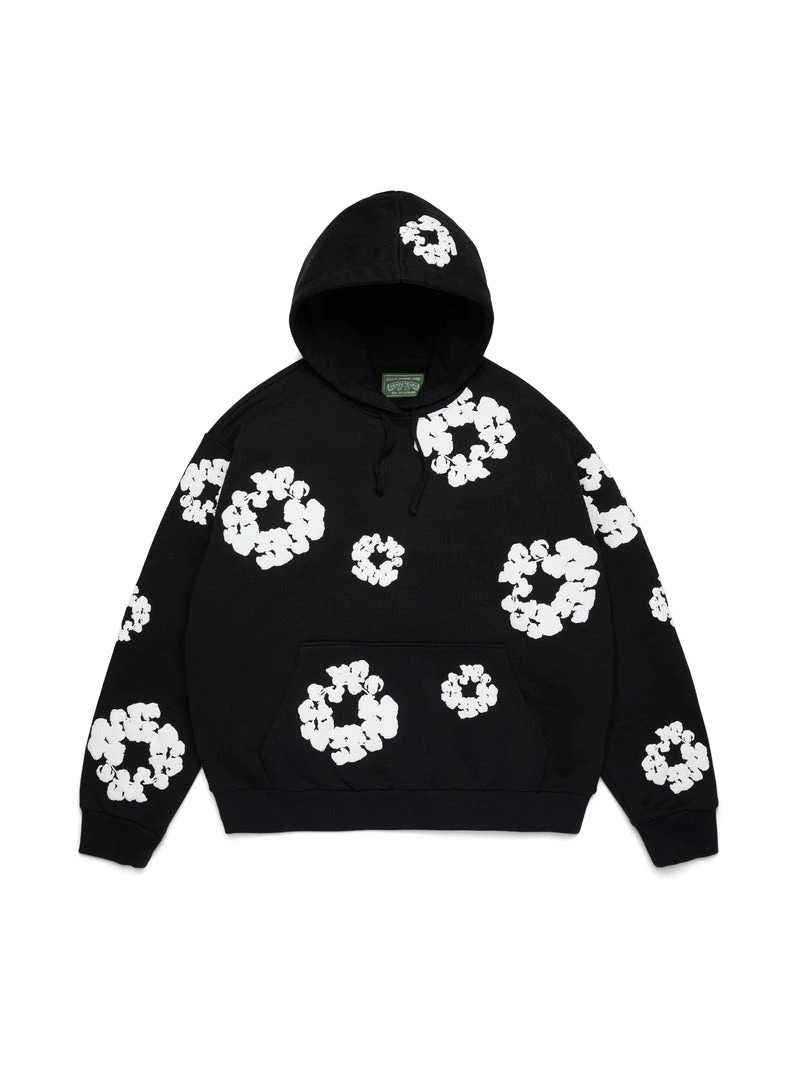
Denim Tears: The Story, the Meaning, and Why
Denim Tears: The Story, the Meaning, and Why This Brand Actually Matters
If you’ve scrolled past a pair of jeans covered in cotton wreath patches and wondered what the story behind them was, you’ve run into Denim Tears. It’s not just another streetwear label riding a hype cycle — it’s a brand built around a specific, deliberate message about American history, and that’s exactly why it’s stuck around while so many of its contemporaries have faded out.
This guide breaks down what Denim Tears is, who’s behind it, why the designs look the way they do, and the practical stuff people actually search for — pricing, sizing, authentication, and where to buy it without getting scammed.
What Is Denim Tears?
Denim Tear is an American streetwear brand founded in 2019 by Tremaine Emory. Unlike most streetwear labels that lean on logos and hype drops for their identity, Denim Tears is built on storytelling — specifically, the story of the African American experience, told through clothing.
The brand’s signature visual is a cotton wreath, printed or embroidered directly onto denim, hoodies, and tees. It’s simple at first glance, but the symbolism runs deep. Cotton was the crop that built the American South’s economy on the backs of enslaved people, and Emory turns that history into a wearable, unavoidable statement. You can’t put on a pair of Denim Tears jeans without engaging with that history in some form, and that’s the point.
Who Is Tremaine Emory?
Tremaine Emory isn’t a designer who came out of nowhere. Before launching Denim Tears, he’d already built a reputation as a creative consultant and cultural connector, working closely with brands like Kanye West’s early Yeezy operation and Off-White, and running in circles with figures across music, art, and fashion. He later served as creative director at Supreme for a stretch, a role that put his name in front of a much wider audience, though he departed that position amid public disagreements over how his creative vision was being handled.
That background matters for one simple reason: Emory isn’t playing dress-up with social commentary. He’s someone who’s spent years inside the machinery of fashion and streetwear, and he built Denim Tears Clothing specifically because he wanted a platform where the message wouldn’t get diluted.
The Cotton Wreath: What It Actually Means
The cotton wreath motif is the single most recognizable thing about this brand, so it’s worth slowing down on. A wreath is traditionally a symbol of celebration or remembrance. By rendering it out of cotton — the crop most tied to slavery in the American South — Emory forces a collision between two ideas that don’t usually sit together: honoring something and confronting a painful history at the same time.
It first appeared prominently on a Levi’s collaboration timed to the anniversary of the transatlantic slave trade’s arrival in the Americas, and it’s since become the brand’s throughline across nearly every drop. It’s not decoration. It’s the entire thesis of the label.
Denim Tears Collaborations Worth Knowing
Part of why Denim Tears Hoodie has real staying power is who it’s chosen to work with. The brand has partnered with:
- Levi’s — reworked 501 jeans and jackets carrying the cotton wreath, considered the brand’s foundational release
- Converse — Chuck 70 sneakers reimagined with the brand’s motifs and colorways
- Nike — apparel and footwear collaborations that brought the message to a sneaker-focused audience
- New Balance — sneaker drops blending Denim Tears’ aesthetic with performance silhouettes
- Stüssy — a crossover between two brands with very different origins but overlapping respect in the streetwear world
Each collaboration tends to sell out fast, not because of artificial scarcity marketing, but because the drop quantities are genuinely limited and the demand is real.
Why Denim Tears Resonates With People
A lot of streetwear is aspirational in a shallow way — it signals taste or access. Denim Tears T-Shirt asks something different of the wearer. It asks you to know the story, or at least be curious enough to find out. For a lot of people, especially younger Black consumers, it’s the first piece of clothing they’ve owned that reflects their history without flattening or softening it. For others, it’s an entry point into a conversation they hadn’t fully sat with before.
That’s the human element that a lot of brand write-ups miss. Denim Tears isn’t successful because of clever marketing. It’s successful because it says something true and doesn’t apologize for it.
How Much Does Denim Tears Cost?
Pricing varies a lot depending on the piece and whether it’s a solo release or a collaboration:
- Graphic tees typically run $90–$150
- Hoodies and sweatshirts fall around $200–$350
- Denim jackets and jeans, especially Levi’s collaborations, land between $300–$500 at retail
- Collaborative sneakers (Converse, Nike, New Balance) usually retail between $100–$200, though resale prices climb well above that for limited colorways
Resale prices can spike significantly above retail, particularly for early releases and Levi’s collaborations that are no longer in production.
Where to Buy Denim Tears Safely
The safest options are the brand’s official website, verified retail partners like END Clothing, SSENSE, and select Levi’s or Nike collaboration launches through those brands’ own official channels. If you’re buying resale, stick to platforms with built-in authentication — StockX and GOAT are the standard for footwear, and Grailed is commonly used for apparel, though buyer diligence still matters there since authentication on clothing is less standardized than on sneakers.
How to Spot Fake Denim Tears
Because demand outpaces supply, counterfeits exist. A few red flags: sloppy or uneven embroidery on the cotton wreath, incorrect or missing brand tags, stitching that doesn’t match official product photos, and prices that seem too good to be true relative to resale averages. When in doubt, compare against official retailer photos before you buy.
Top 10 FAQs About Denim Tears
1. Who founded Denim Tears?
Tremaine Emory founded Denim Tears in 2019.
2. What does the cotton wreath symbol mean? It represents the history of cotton and slavery in America, reframed as a symbol of remembrance rather than decoration.
3. Is Denim Tears a luxury brand?
It’s priced as premium streetwear rather than true luxury, though collaborations can command luxury-level resale prices.
4. What was Denim Tears’ first major release?
A collaboration with Levi’s featuring reworked 501 jeans and jackets marked with the cotton wreath.
5. Does Denim Tears make sneakers?
Yes, through collaborations with Converse, Nike, and New Balance.
6. Is Tremaine Emory still involved with Supreme?
No, he departed his creative director role at Supreme after public disputes over creative direction.
7. Where can I buy authentic Denim Tears?
The official Denim Tears website, END Clothing, SSENSE, and official partner-brand launch pages.
8. How can I tell if Denim Tears clothing is fake?
Check embroidery quality, tag accuracy, and stitching against official retailer photos before purchasing.
9. Why is Denim Tears so expensive on resale?
Limited production runs combined with high cultural relevance drive resale prices well above retail.
10. What makes Denim Tears different from other streetwear brands?
It centers historical storytelling and cultural commentary rather than logo-driven hype as its core identity.
Denim Tears isn’t a brand you wear just to look good, though it does that too. It’s a brand built on the idea that clothing can hold history without watering it down, and that’s a rarer thing in fashion than it should be.