A confident smile can influence how people feel about their appearance, and modern cosmetic dentistry offers several ways to improve the shape, colour, and overall harmony of teeth. Dental veneers are one of the treatments used to enhance the visible surfaces of teeth while maintaining a personalised approach to smile design.
For individuals researching Veneers Dubai, understanding the complete process can make the treatment journey easier to navigate. From the first consultation and smile assessment to veneer selection, preparation, design, and final placement, each stage has a specific purpose.
At Cornerstone, a personalised consultation can help patients understand whether veneers are appropriate for their teeth and what type of result may suit their facial features, smile, and existing dental structure. Rather than simply choosing a particular shade or shape, modern veneer treatment involves careful planning to create a balanced and natural-looking smile.
What Are Dental Veneers?
Dental veneers are thin, custom-made coverings designed to improve the visible appearance of selected teeth. They are typically placed on the front surfaces of teeth and can be used to modify aspects such as colour, shape, size, and visual alignment.
Veneers may be considered for teeth with certain cosmetic concerns, including discolouration, minor shape irregularities, small gaps, or uneven proportions.
Different types of veneers are available, including porcelain veneers and composite options. The appropriate choice depends on the condition of the teeth, treatment objectives, aesthetic preferences, and professional assessment.
The aim is not simply to make teeth look different. A well-planned veneer treatment considers how the teeth relate to one another and how the smile fits the individual’s overall facial appearance.
Why Do People Consider Veneers?
People may consider veneers for a range of cosmetic reasons. Some individuals have teeth that remain noticeably discoloured despite professional whitening, while others may want to improve the shape or proportions of particular teeth.
Veneers can also be considered when small spaces exist between teeth or when certain teeth appear uneven in relation to neighbouring teeth.
The treatment is highly individualised. One person may want a subtle enhancement that preserves the natural character of their smile, while another may prefer a more noticeable cosmetic transformation.
A consultation is therefore important for determining what type of veneer treatment best matches the patient’s expectations and dental condition.
The Initial Veneer Consultation
The consultation is the first major stage of the veneer process. During this appointment, the dentist evaluates the teeth and discusses the patient’s concerns and aesthetic objectives.
The dentist may examine tooth colour, shape, size, spacing, alignment, gum appearance, and the relationship between the upper and lower teeth.
The patient’s overall facial proportions may also be considered because teeth should complement the surrounding facial features.
This stage is an opportunity to explain what you would like to change. Instead of simply requesting a particular celebrity smile or shade, it can be more helpful to describe whether you prefer a natural, subtle, brighter, or more defined appearance.
Assessing Whether Veneers Are Suitable
Not every cosmetic concern requires veneers, and not every tooth is suitable for veneer treatment.
The dentist examines the condition of the enamel, existing restorations, bite, gums, and overall oral health before recommending treatment.
Depending on the situation, another cosmetic or restorative treatment may be more appropriate. For example, professional whitening may be considered when colour is the primary concern, while orthodontic treatment may be more suitable for significant tooth alignment issues.
This assessment helps ensure that veneers are recommended for the right reasons and that the treatment plan is appropriate for the patient’s dental condition.
Smile Design and Treatment Planning
Modern veneer treatment often involves detailed smile design. This stage focuses on determining how the finished teeth should look in relation to each other and the patient’s overall appearance.
Several factors may be considered, including tooth length, width, shape, colour, symmetry, and the amount of tooth that is visible when smiling.
The dentist may use digital technology, photographs, scans, or other planning tools to develop the proposed design.
The goal is to create a smile that looks harmonious rather than making every tooth identical. Natural smiles have subtle variations, and these details can be incorporated into personalised veneer planning.
Choosing the Right Veneer Material
The material selected for veneers can influence their appearance and characteristics.
Porcelain veneers are often chosen for their ability to replicate the visual qualities of natural enamel. They can be custom-made in different shades and shapes to complement the surrounding teeth.
Composite veneers are created using tooth-coloured resin that is shaped and bonded directly to the tooth. They can offer a different approach to cosmetic enhancement and may be appropriate in selected situations.
The dentist can explain the differences between materials and recommend an option based on the patient’s teeth, treatment objectives, and expectations.
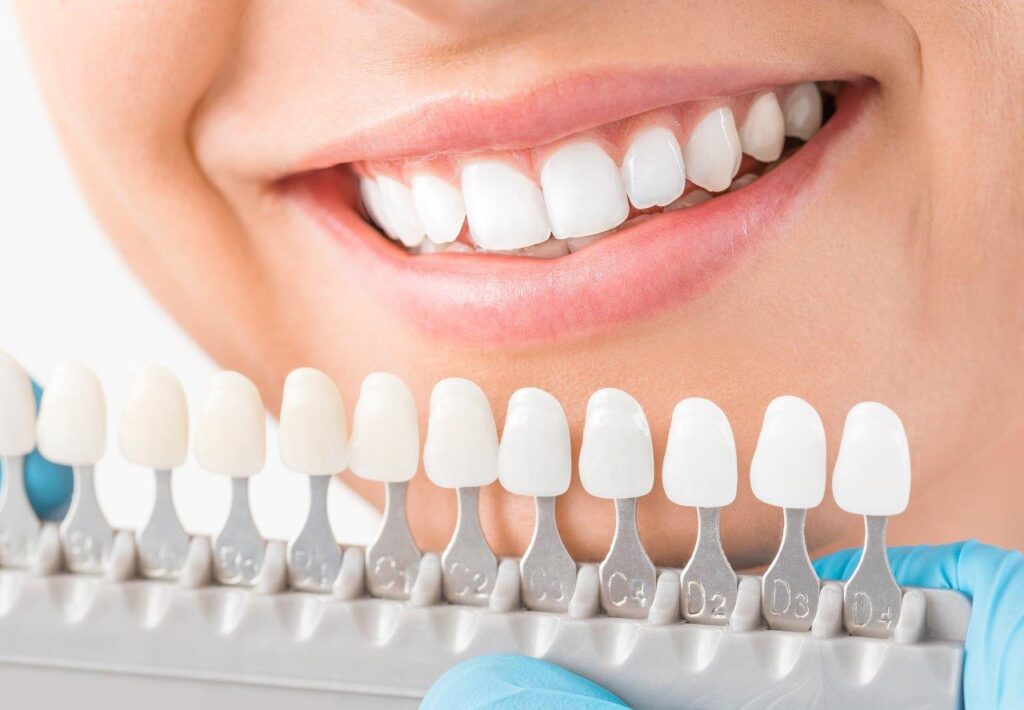
Selecting the Right Shade
Colour selection is an important part of veneer planning. The goal is not necessarily to choose the brightest available shade.
The appropriate shade depends on the patient’s preferences and the appearance of their surrounding teeth, skin tone, facial features, and overall smile design.
Some patients prefer a very natural shade, while others want a noticeably brighter smile.
During the consultation and planning stage, the dentist can discuss different shade options and explain how they may affect the overall appearance of the smile.
Understanding Tooth Preparation
The amount of preparation required depends on the type of veneer and the individual treatment plan.
In some cases, a small amount of enamel may need to be reshaped to create sufficient space for the veneer and achieve the desired contours.
The dentist carefully considers how much preparation is appropriate for each tooth.
Modern cosmetic dentistry aims to preserve as much healthy tooth structure as clinically appropriate while creating enough space for the planned restoration.
Patients should discuss the proposed preparation process with their dentist before treatment begins.
Digital Scanning and Veneer Design
Digital dentistry has become an important part of modern veneer treatment. In many clinics, intraoral scanners can capture detailed digital information about the teeth.
Digital scans can be used to create a virtual model of the patient’s smile and support the design of custom veneers.
This technology can improve communication between the dentist, patient, and dental laboratory.
Instead of relying entirely on traditional impressions, digital workflows can provide an efficient way to record the shape and dimensions of the teeth.
Trial Smile and Preview Options
Depending on the clinic and treatment plan, patients may have an opportunity to preview the proposed veneer design before final placement.
A temporary or mock-up version can help patients and dentists evaluate factors such as tooth length, shape, proportion, and overall smile appearance.
This stage can be particularly useful when several teeth are being treated because changes to one tooth can influence how the entire smile appears.
If adjustments are required, they can be discussed before the final veneers are produced.
Creating the Custom Veneers
Once the treatment design has been approved, the final veneers are created according to the specifications established during planning.
For porcelain veneers, a dental laboratory may fabricate the restorations using detailed digital scans or impressions.
Each veneer is designed for a specific tooth, meaning the shape and dimensions are not necessarily identical from one patient to another.
The dentist and dental laboratory work together to ensure that the final restorations correspond with the approved treatment plan.
The Veneer Placement Appointment
Once the veneers are ready, the dentist carefully evaluates them before permanent placement.
The dentist checks the fit, colour, shape, contact between neighbouring teeth, and relationship with the patient’s bite.
If adjustments are necessary, they can be made before final bonding.
Once everything has been assessed and approved, the tooth surface is prepared according to the bonding protocol, and the veneers are carefully positioned.
The bonding process secures the veneers to the teeth, creating the finished smile.
What Happens After Veneer Placement?
Following placement, the dentist may provide guidance on caring for the new restorations and maintaining good oral hygiene.
Patients should continue brushing and cleaning between their teeth as recommended by their dental professional.
Routine dental examinations remain important because the natural teeth and surrounding gums still require regular care.
The dentist can also monitor the veneers during future appointments and provide personalised advice based on the patient’s oral health and lifestyle.
How to Care for Your Veneers
Good oral hygiene is an important part of maintaining a veneer-supported smile. Regular brushing and interdental cleaning can help maintain the surrounding teeth and gums.
Patients should follow their dentist’s recommendations regarding toothpaste, brushing technique, flossing, and routine dental appointments.
It is also helpful to be mindful of habits that may place unnecessary pressure on dental restorations.
Regular professional examinations provide an opportunity to check the condition of both the veneers and the natural teeth underneath them.
How Long Does the Veneer Process Take?
The treatment timeline varies according to the number of veneers, type of material, preparation required, laboratory process, and individual treatment plan.
Some patients may complete the process over several appointments, including consultation, preparation, design review, and final placement.
Patients should ask their dentist for a personalised timeline before beginning treatment so they understand what each appointment involves.
Why Personalised Planning Matters
Every smile is different. Tooth dimensions, facial proportions, gum appearance, bite, and existing dental conditions vary considerably between individuals.
For this reason, veneers should be planned around the patient’s existing smile rather than copied from a standard template.
At Cornerstone, personalised assessment can help patients understand how veneer treatment may be designed around their individual facial features, dental structure, and cosmetic preferences.
A carefully planned approach can help create a result that looks harmonious with the rest of the smile.
Conclusion
Veneer treatment is a detailed cosmetic dentistry process that extends far beyond simply placing coverings over the teeth. The journey can involve consultation, dental assessment, smile design, material selection, shade planning, tooth preparation, digital scanning, custom fabrication, and final placement.
For individuals considering Veneers Dubai, understanding each stage can make it easier to communicate expectations and make informed decisions about cosmetic dental treatment.
At Cornerstone, a personalised consultation can help determine whether veneers are appropriate and which treatment approach may best suit the patient’s smile, dental structure, and aesthetic objectives.
Ultimately, the best veneer treatment is one that considers the complete smile rather than focusing on individual teeth in isolation. Careful planning, appropriate material selection, accurate fitting, and ongoing dental care can all contribute to a well-integrated and personalised smile enhancement.
Frequently Asked Questions
What are veneers?
Veneers are thin, custom-made dental coverings designed to improve the visible appearance of selected teeth. They can modify tooth colour, shape, size, and proportions.
What is the first step in the Veneers Dubai process?
The first step is generally a consultation with a qualified dentist. The dentist evaluates the teeth, discusses aesthetic goals, and determines whether veneers are appropriate.
How do dentists decide if veneers are suitable?
The dentist considers the condition of the teeth, enamel, gums, bite, existing restorations, and overall oral health before recommending veneers.
What types of veneers are available?
Common options include porcelain veneers and composite veneers. The appropriate material depends on the patient’s dental condition, aesthetic objectives, and dentist’s recommendation.
Can veneers change the shape of teeth?
Yes. Custom veneers can be designed to modify the apparent length, width, contours, and proportions of selected teeth.
Can veneers make teeth look whiter?
Veneers can be created in a selected shade to improve the appearance of discoloured teeth. The appropriate colour is chosen as part of the overall smile-design process.
Does getting veneers require tooth preparation?
Preparation depends on the type of veneer and the individual treatment plan. Some cases require limited enamel reshaping to create appropriate space for the restoration.
How are veneers designed?
Veneers can be designed using dental impressions or digital scans. The dentist and dental laboratory use these records to create restorations customised to each tooth.
Can I preview my new smile before final veneer placement?
Depending on the dental clinic and treatment plan, a mock-up or temporary preview may be available. This can help patients and dentists evaluate the proposed shape and proportions.
How long does the veneer process take?
The timeline varies depending on the number of veneers, material, preparation, laboratory process, and individual treatment requirements. Your dentist can provide a personalised schedule.
How should I care for veneers after placement?
Maintain regular brushing and interdental cleaning, attend dental examinations, and follow the specific oral-care recommendations provided by your dentist.
Can veneers look natural?
Yes. Veneers can be customised according to tooth shape, proportions, shade, and facial characteristics. Careful smile design can help them integrate naturally with the overall appearance.
Why is consultation important before getting veneers?
A consultation allows the dentist to assess whether veneers are suitable, understand your aesthetic preferences, discuss material options, and develop a personalised treatment plan.
Why consider Cornerstone for Veneers Dubai?
Individuals considering Veneers Dubai can consult with Cornerstone to discuss their cosmetic dental goals, explore veneer options, and understand the complete process from initial assessment through final placement.