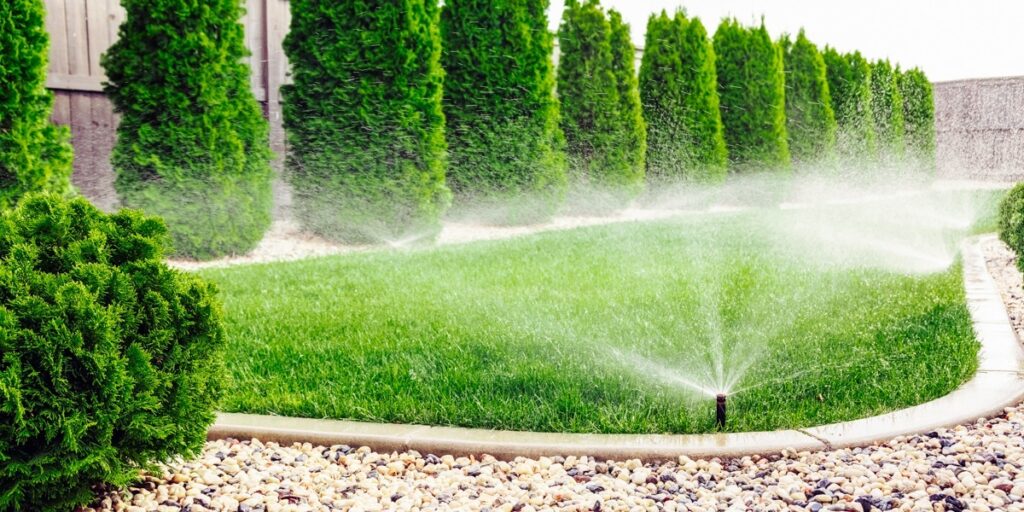
A sprinkler is an irrigation device designed to distribute water over a specific area in a controlled manner. Instead of delivering water directly to individual plants, it sprays or disperses water through the air, allowing a wider section of soil or vegetation to receive moisture.
The design of a sprinkler can vary depending on the intended application, water pressure, coverage area, and flow requirements. Understanding these factors is useful when comparing products from a Sprinkler Manufacturer, particularly when planning an agricultural, landscape, or horticultural irrigation system.
How Does a Sprinkler Work?
A sprinkler works by allowing pressurized water to enter its body and pass through an outlet or nozzle. The nozzle controls how water leaves the device, influencing the direction, flow rate, spray radius, and distribution pattern.
Some sprinklers spray water in a fixed pattern, while others use mechanical movement to rotate the spray across a wider area. The operating principle depends on the type of sprinkler and its intended application.
Main Components of a Sprinkler
Although sprinkler designs differ, many systems include several basic components:
- Inlet connection: Connects the sprinkler to the irrigation pipe or supply line.
- Body: Houses the main internal components and provides structural support.
- Nozzle: Controls the flow and characteristics of the outgoing water.
- Moving mechanism: Used in rotating sprinkler designs to change the direction of water.
- Seals and internal parts: Help control water flow and prevent unwanted leakage.
The combination of these components determines how effectively the sprinkler performs under specific operating conditions.
The Role of Water Pressure
Water pressure is essential to sprinkler operation. When pressurized water enters the sprinkler, it provides the force needed to move water through the nozzle and distribute it across the target area.
The correct pressure depends on the sprinkler design. Insufficient pressure may reduce spray distance and create uneven coverage, while excessive pressure can affect the spray pattern and increase water loss.
How the Nozzle Controls Water
The nozzle is one of the most important parts of a sprinkler. Its size and shape influence the amount of water released and the way it travels through the air.
A smaller opening generally restricts flow, while a larger opening can allow more water to pass through. Nozzle design can also influence spray angle, droplet characteristics, and coverage.
Fixed Sprinklers
Fixed sprinklers deliver water over a predetermined area without continuously changing direction. They are often suitable for smaller zones or locations where a specific spray pattern is required.
Because the coverage remains relatively consistent, installation spacing and positioning are important. Multiple sprinklers may be arranged to provide overlapping coverage across a larger area.
Rotating Sprinklers
Rotating sprinklers use a mechanical or water-driven mechanism to move the spray during operation. This allows water to be distributed over a larger circular or adjustable area.
The rotation mechanism must operate consistently to avoid uneven irrigation. The speed and range of movement can influence how uniformly water is applied.
Micro Sprinklers
Micro sprinklers are designed for more localized irrigation and generally operate with lower flow rates than many larger sprinkler types. They can be useful in orchards, nurseries, gardens, and other applications where targeted coverage is preferred.
Their smaller passages and components require careful manufacturing because minor variations can influence flow and spray characteristics.
What Determines Sprinkler Coverage?
Several factors determine how far and how evenly a sprinkler distributes water. These include:
- Water pressure
- Nozzle size
- Flow rate
- Spray angle
- Sprinkler height
- Wind conditions
- Installation spacing
- Sprinkler design
These factors should be considered together when designing an irrigation system. A sprinkler with a large spray radius may not necessarily be the most suitable option for every site.
Why Uniform Water Distribution Matters
Uniform distribution helps ensure that different areas receive reasonably similar amounts of water. Poor distribution can create dry spots in some locations while causing excessive application in others.
For agricultural applications, uneven irrigation can affect growing conditions and water efficiency. In landscape systems, it can contribute to inconsistent plant health and unnecessary water consumption.
Sprinklers and Water Efficiency
A sprinkler can contribute to efficient irrigation when its flow rate, pressure, spray pattern, and spacing are properly matched to the system.
However, equipment selection is only one part of water management. Correct installation, regular maintenance, suitable irrigation scheduling, and appropriate operating pressure are also necessary to reduce waste.
What Happens When a Sprinkler Becomes Clogged?
Dirt, sediment, mineral deposits, or other particles can restrict the nozzle opening. A clogged sprinkler may produce a weaker or distorted spray pattern and distribute water unevenly.
Regular inspection and cleaning can help maintain performance. Filtration may also be useful in systems where the water supply contains significant amounts of suspended particles.
How Sprinklers Are Used in Different Applications
Sprinklers are used across a variety of irrigation environments. Agricultural fields may require equipment capable of covering large areas, while gardens and nurseries may benefit from more localized distribution.
Landscape irrigation can require controlled spray patterns for lawns, planting beds, and irregular spaces. The appropriate sprinkler type depends on the specific requirements of each application.
Choosing the Right Sprinkler
Before selecting a sprinkler, consider the characteristics of the irrigation site. Important questions include:
- How much water is available?
- What operating pressure can the system provide?
- How large is the area to be irrigated?
- What coverage pattern is required?
- What type of plants or crops are being irrigated?
- Are there specific soil or environmental conditions?
- How frequently will the equipment operate?
Answering these questions can help narrow down suitable sprinkler options and support better system design.
Final Thoughts
A sprinkler is a relatively simple irrigation device, but its performance depends on the interaction of water pressure, nozzle design, flow rate, spray pattern, and installation conditions. Different sprinkler types are designed to address different coverage and application requirements.
Understanding how sprinklers work makes it easier to select suitable equipment and plan an effective irrigation system. When the sprinkler design is matched correctly with the site’s requirements, water can be distributed more consistently while supporting efficient and reliable irrigation.