best pine pollen supplement
Pine pollen has become increasingly popular among people looking for natural wellness products made from plant-based ingredients. Often available as powder, capsules, tinctures, or extracts, pine pollen supplements are marketed for their nutritional value and potential antioxidant properties. However, choosing the best pine pollen supplement requires more than simply selecting the product with the highest concentration or most attractive packaging. Factors such as sourcing, processing, purity, testing, formulation, and transparency can make a significant difference in product quality.
This guide explains what pine pollen is, what makes a supplement worth considering, how different forms compare, and what consumers should look for before adding pine pollen to their wellness routine.
What Is Pine Pollen?
Pine pollen is a fine powder produced by male pine trees during their reproductive cycle. It contains various naturally occurring compounds, including proteins, amino acids, carbohydrates, lipids, vitamins, minerals, and plant compounds. Pine pollen has traditionally been used in certain forms of traditional wellness practices, particularly in East Asian cultures.
Today, it is commonly sold as a dietary supplement. Depending on the product, pine pollen may be collected from different pine species and processed into powder, capsules, tinctures, or concentrated extracts.
It is important to recognize that nutritional composition can vary depending on the pine species, geographic location, harvesting conditions, processing methods, and storage.
Why Are People Interested in Pine Pollen Supplements?
Interest in pine pollen supplements largely comes from their nutritional profile and naturally occurring plant compounds. Some consumers use pine pollen as part of a broader wellness routine, while others are interested in its potential antioxidant properties.
Pine pollen is sometimes promoted for energy, immune support, healthy aging, exercise recovery, hormonal balance, and general nutrition. However, many of these claims are based on traditional use, laboratory research, or preliminary studies rather than strong human clinical evidence.
Therefore, pine pollen should not be viewed as a treatment for a medical condition. A supplement can complement a balanced lifestyle, but it should not replace a nutritious diet, regular physical activity, or professional medical care.
Potential Nutritional Benefits
One reason pine pollen attracts attention is its diverse nutritional composition. Depending on the product, it may provide several nutrients and naturally occurring compounds.
1. Source of Plant-Based Nutrients
Pine pollen naturally contains proteins, amino acids, carbohydrates, fatty acids, minerals, and other compounds. The exact nutritional profile depends heavily on the species and processing method.
For people seeking additional plant-derived nutrients, pine pollen may be an interesting addition to a varied diet.
2. Antioxidant Compounds
Pine pollen contains various bioactive plant compounds that have demonstrated antioxidant activity in laboratory research. Antioxidants help protect cells from oxidative stress caused by unstable molecules known as free radicals.
Although laboratory findings are interesting, they should not automatically be interpreted as proof that consuming a pine pollen supplement produces the same effects in humans.
3. Convenient Nutritional Supplementation
Powdered pine pollen can be added to smoothies, yogurt, oatmeal, or other foods. Capsules provide another convenient option for people who prefer not to consume powdered supplements.
The best format ultimately depends on personal preference, intended use, and the product’s quality.
What Makes the Best Pine Pollen Supplement?
Not every pine pollen product is the same. When comparing supplements, several factors deserve attention.
Pure and Clearly Sourced Ingredients
Look for products that clearly identify pine pollen as an ingredient and provide information about its source. Transparent labeling is preferable to products that use vague descriptions such as “proprietary botanical blend.”
Ideally, consumers should be able to determine where the pollen was harvested and what other ingredients are included.
Third-Party Testing
Independent testing can provide additional confidence in product quality. Look for companies that provide testing information for contaminants such as heavy metals, microbial contamination, pesticides, and other impurities.
A certificate of analysis can be particularly useful because it provides laboratory information about a specific product or batch.
Appropriate Processing
Pine pollen has a tough outer structure, and processing methods can influence how easily its nutrients and compounds may be accessed during digestion.
Some products are marketed as “broken-cell” or processed pine pollen. While these products may be promoted as more bioavailable, consumers should examine the evidence and avoid assuming that marketing terminology automatically means superior health benefits.
Minimal Unnecessary Additives
A simple ingredient list is often preferable. If purchasing capsules, check the capsule material, fillers, colors, preservatives, and other inactive ingredients.
For powdered products, look for formulas containing primarily pine pollen rather than unnecessary additives.
Pine Pollen Powder vs. Capsules
The best pine pollen supplement format depends on how you plan to use it.
Pine Pollen Powder
Powder is versatile and can be mixed into foods and beverages. It may be suitable for people who prefer flexible serving sizes and want to incorporate the ingredient into smoothies or breakfast foods.
However, measuring powder accurately is important, and its flavor or texture may not appeal to everyone.
Pine Pollen Capsules
Capsules are convenient, portable, and generally easier to incorporate into a daily routine. They also eliminate the need to measure powder.
The disadvantage is that capsules may contain additional ingredients used to form and stabilize the product.
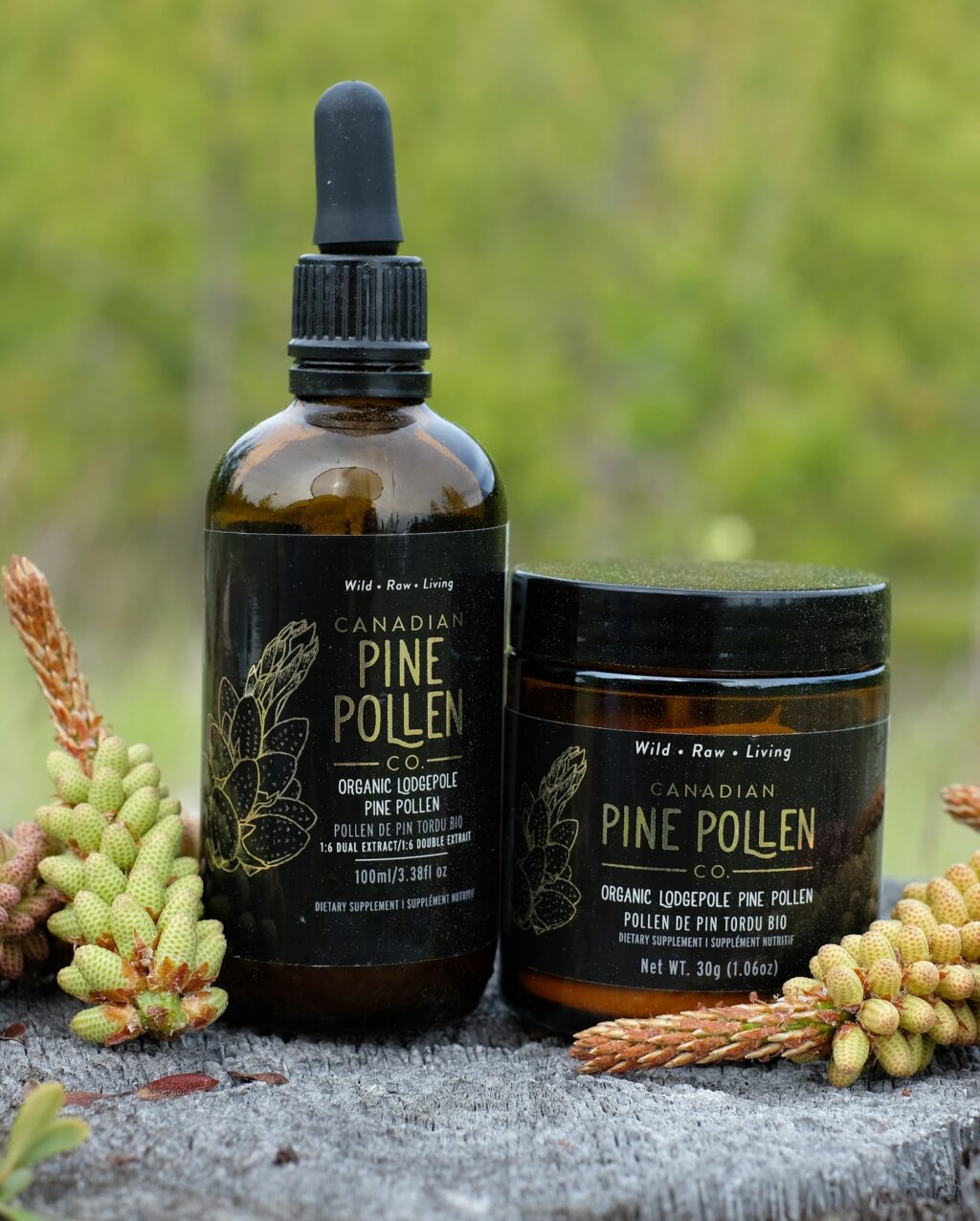
Pine Pollen Tinctures
Tinctures are liquid preparations made by extracting compounds from plant material into a liquid medium. They can be convenient for people who prefer liquid supplements.
However, tincture formulas vary significantly, so consumers should carefully review the ingredients and extraction method.
How to Use Pine Pollen Supplement
Always follow the serving instructions provided on the product label rather than assuming that a larger amount will provide greater benefits.
Powder can typically be incorporated into foods or beverages according to the manufacturer’s directions. Capsules should be taken according to the labeled serving instructions.
If you are trying pine pollen for the first time, reviewing the ingredient list and following the recommended serving size is a sensible approach.
Supplements are intended to complement a balanced diet, not replace meals or essential nutrients from whole foods.
Is Pine Pollen Safe?
Pine pollen may not be appropriate for everyone. Individuals with known allergies to pine pollen or related substances should be particularly cautious. Allergic reactions can potentially occur with botanical products.
People who are pregnant or breastfeeding, taking prescription medications, preparing for surgery, or managing a medical condition should speak with a qualified healthcare professional before using a new dietary supplement.
Stop using a product and seek appropriate medical attention if you experience signs of a serious allergic reaction, such as difficulty breathing, swelling, or severe dizziness.
How to Choose a High-Quality Product
Before purchasing the best pine pollen supplement for your needs, consider the following checklist:
- Check the ingredient list.
- Look for transparent sourcing information.
- Choose products with appropriate quality testing.
- Review the manufacturing and storage information.
- Avoid exaggerated health claims.
- Check the expiration or best-before date.
- Compare the actual amount of pine pollen per serving.
- Look for information about potential allergens.
- Purchase from a reputable manufacturer.
- Follow the recommended serving instructions.
Price alone should not determine quality. An inexpensive product may not provide the same level of transparency or testing as a more carefully manufactured supplement.
Frequently Asked Questions
What is the best form of pine pollen?
There is no single best form for everyone. Powder, capsules, and tinctures each have different advantages. Powder offers flexibility, capsules provide convenience, and tinctures offer a liquid format.
Can pine pollen be taken every day?
Some products are designed for regular use, but consumers should follow the manufacturer’s serving instructions. If you have a medical condition or take medication, consult a healthcare professional before using it regularly.
Does pine pollen support testosterone?
Pine pollen is sometimes marketed for testosterone and hormonal support. However, claims about significant testosterone increases in humans are not sufficiently established by high-quality clinical evidence. It should not be considered a proven testosterone treatment.
Can pine pollen improve energy?
Pine pollen contains nutrients and plant compounds, but strong evidence that supplementation directly increases energy levels in healthy adults is limited. Adequate sleep, nutrition, hydration, and physical activity remain fundamental to maintaining energy.
Is organic pine pollen better?
Organic certification can provide information about agricultural practices, but it does not automatically mean a product is more effective. Quality testing, sourcing, processing, purity, and transparent labeling should also be considered.
Final Thoughts
Choosing the best pine pollen supplement involves looking beyond marketing claims. A quality product should have transparent sourcing, a clear ingredient list, appropriate manufacturing standards, and reliable testing where available. Consumers should also choose a format that fits comfortably into their daily routine.
Pine pollen can be an interesting plant-based supplement, particularly for people interested in its nutritional composition and traditional uses. Nevertheless, scientific evidence for many of its popular health claims remains limited, and it should not replace a balanced diet or medical treatment.
The smartest approach is to select a reputable, transparently labeled product, follow the recommended serving instructions, and discuss supplementation with a healthcare professional when there are allergies, medications, pregnancy, breastfeeding, or existing health concerns.