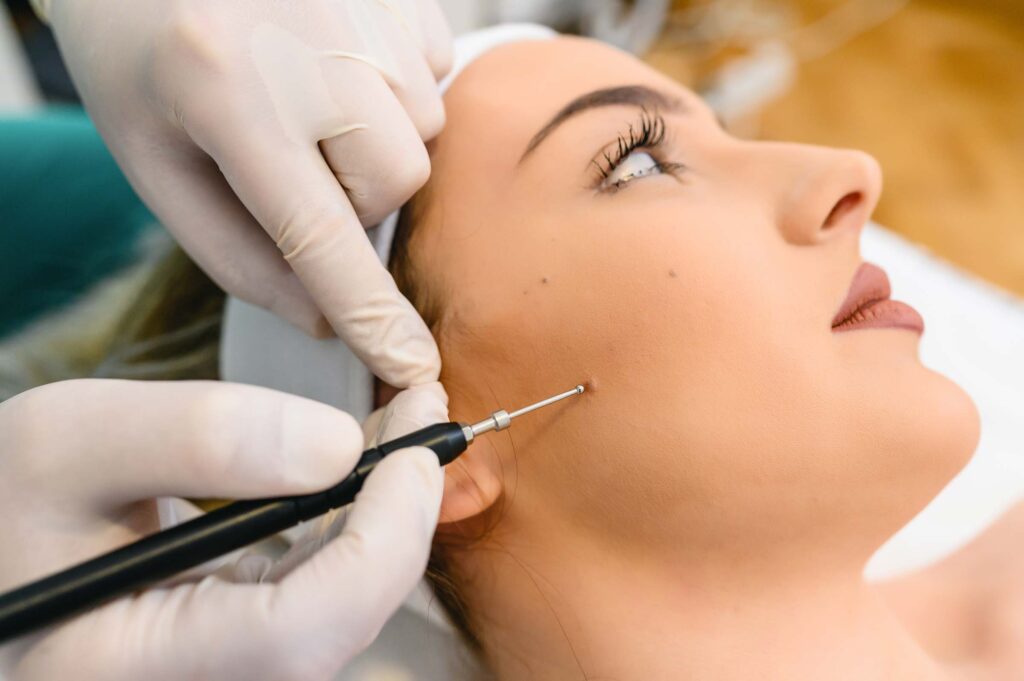
Moles are common skin growths that can vary considerably in size, shape, colour and texture. Many people have moles that remain unchanged for years, while others may become concerned about a mole because of its appearance, location or changes noticed over time. When removal is being considered, an appropriate assessment is an important first step.
Mole Removal in London involves more than simply choosing a technique to remove a visible mole. A practitioner needs to examine the mole, consider its characteristics and determine whether removal is appropriate. The technique selected can depend on factors such as the mole’s type, size, depth, location and the reason for treatment.
At bodyvie clinic, patients considering Mole Removal Treatment in London can discuss their concerns during a consultation and receive information about suitable treatment options based on an individual assessment.
What Is a Mole?
A mole, medically known as a melanocytic naevus, is a common type of skin growth formed by a collection of pigment-producing cells called melanocytes.
Moles can appear anywhere on the skin. They may be flat or raised and can range from light brown to darker shades. Some are present from birth, while others develop during childhood, adolescence or adulthood.
Most moles remain stable, but their appearance can vary naturally between individuals.
Before removal is considered, a practitioner assesses the mole to understand its characteristics and determine the most appropriate next step.
Why Do People Consider Mole Removal?
There are several reasons why someone may explore Mole Removal in London.
Some people are primarily concerned about the appearance of a prominent mole. Others may have a mole in an area where it repeatedly catches on clothing, jewellery or other objects.
Moles on the face, neck or other visible areas may also affect an individual’s confidence.
In some situations, a practitioner may recommend further assessment because the appearance of a mole has changed or requires closer examination.
The reason for removal is therefore discussed during consultation alongside the clinical characteristics of the mole.
Why Is a Mole Assessment Important?
A professional assessment is an essential part of mole removal planning.
Not every skin growth that appears to be a mole should automatically be removed without assessment. A practitioner examines the lesion and considers its appearance, structure and location.
If a mole has unusual characteristics or requires further evaluation, the practitioner can explain the appropriate next steps.
This makes assessment particularly important before choosing a cosmetic removal technique.
Assessing the Mole Before Removal
During a consultation at a Mole Removal Clinic London, the practitioner may assess several features of the mole.
These can include its:
- Size
- Shape
- Colour
- Surface
- Border
- Position on the skin
- Whether it is flat or raised
The practitioner may also ask whether the mole has changed over time.
This information helps determine whether removal is appropriate and which technique may be suitable.
Surgical Mole Excision
Surgical excision is one of the established approaches used for removing selected moles.
With this technique, the practitioner removes the mole using a surgical instrument, along with an appropriate margin of surrounding tissue when clinically indicated.
The area is usually prepared with local anaesthetic so that the procedure can be performed comfortably.
The resulting wound is then managed according to its size and location, and the practitioner provides appropriate aftercare instructions.
Excision can be particularly relevant when complete removal of a deeper or more prominent mole is required.
Shave Excision
Shave excision is another technique that may be considered for selected raised moles.
Instead of removing tissue through a deeper incision, the practitioner carefully removes the raised portion of the mole at an appropriate level.
This approach may be considered when the characteristics and depth of the mole make it suitable.
The practitioner determines whether shave removal is appropriate after examining the mole.
When Excision May Be Preferred
The choice between surgical excision and shave removal depends on the individual characteristics of the mole.
A deeper mole may require a different approach from a superficial raised mole.
The location can also influence treatment planning. For example, a mole on the face may require careful consideration of the surrounding skin and the desired cosmetic outcome.
The practitioner discusses the available options and explains why a particular technique may be recommended.
Mole Removal and Histological Assessment
In some circumstances, a removed mole may be sent for histological examination.
Histology involves examining tissue under a microscope to assess its cellular characteristics.
Whether a specimen should be submitted for histology depends on the clinical assessment and the removal technique.
The practitioner can explain this aspect of the procedure during consultation.
Laser and Other Cosmetic Techniques
Some skin lesions may be treated using laser or other energy-based techniques, but these approaches are not appropriate for every type of mole.
The suitability of laser treatment depends on the nature and characteristics of the lesion.
For pigmented lesions where the diagnosis needs to remain clear or tissue examination may be required, a technique that allows the tissue to be assessed may be more appropriate.
This is why professional assessment should take place before selecting a cosmetic removal method.
Understanding the Mole’s Location
The location of a mole can influence the treatment approach.
A facial mole may require particularly careful planning because of its visibility and the characteristics of the surrounding skin.
Moles on the neck, chest or back may have different considerations depending on their size and depth.
A mole located in an area exposed to frequent friction may also be treated for practical reasons.
The practitioner considers the location as part of the overall treatment plan.
Facial Mole Removal
Facial moles are a common reason people seek Mole Removal Treatment in London.
Because the face is highly visible, patients may be particularly interested in understanding how the removal technique will affect the treated area.
The practitioner examines the mole and surrounding skin before discussing the most appropriate method.
Treatment planning takes into account the mole’s size, depth, location and relationship with nearby facial features.
Raised Versus Flat Moles
The appearance of a mole can influence the removal technique.
Raised moles may be suitable for techniques such as shave excision in selected circumstances.
Flat pigmented lesions require different considerations because the pigment may extend through different layers of the skin.
The practitioner assesses the mole rather than selecting a technique solely based on whether it is raised or flat.
What Happens During a Mole Removal Consultation?
A consultation generally starts with a discussion about why the patient wants the mole removed.
The practitioner then examines the mole and may ask questions about how long it has been present and whether there have been any noticeable changes.
The patient’s medical history and previous skin treatments may also be discussed.
After assessment, the practitioner can explain whether removal is appropriate and which technique may be considered.
Patients can also ask questions about the treatment process, aftercare and expected healing.
Preparing for Mole Removal
Preparation depends on the chosen removal method and the location of the mole.
Patients should provide accurate information about their medical history, medications and previous procedures.
The clinic may provide specific instructions before the appointment.
Following these instructions helps ensure that the treatment is planned according to the patient’s individual circumstances.
What Happens During Mole Removal?
The treatment process depends on the technique selected.
For surgical excision, the area is prepared and local anaesthetic is generally used before the mole is removed with a surgical instrument.
For shave excision, the practitioner removes the raised portion at an appropriate level.
The exact procedure varies according to the mole’s characteristics and the treatment plan.
The practitioner provides specific information before treatment so that the patient understands what will happen during the appointment.
Aftercare Following Mole Removal
Following Mole Removal in London, patients receive instructions for caring for the treated area.
Aftercare can vary according to the technique, size and location of the treated mole.
The practitioner may provide guidance about keeping the area clean, caring for any dressing and avoiding activities that may interfere with the healing process.
Following the clinic’s instructions is an important part of the treatment journey.
Understanding the Healing Process
The treated area requires time to settle following mole removal.
Healing can vary depending on the size and depth of the removal, the technique used and the location on the body.
Patients should follow the practitioner’s instructions throughout the healing period.
The practitioner can explain what changes to expect as the treated area progresses through the healing process.
Choosing a Mole Removal Clinic in London
When choosing a Mole Removal Clinic London, patients may wish to consider the experience and qualifications of the practitioner, the assessment process and the techniques available.
A suitable clinic should provide an appropriate examination before recommending removal.
It should also explain why a particular technique has been selected and provide clear aftercare instructions.
At bodyvie clinic, patients can discuss their concerns and receive information about appropriate mole removal options following an individual assessment.
Why Personalised Treatment Matters
There is no single removal technique that is suitable for every mole.
Two moles may look similar but have different depths, structures or locations.
The practitioner therefore needs to consider the individual characteristics of each lesion before deciding how it should be treated.
Personalised planning also allows the practitioner to consider the patient’s aesthetic concerns and the location of the mole.
Mole Removal for Cosmetic Reasons
Many people seek mole removal because they are unhappy with the appearance of a particular mole.
Cosmetic treatment may focus on a prominent mole on the face, neck or another visible area.
During consultation, the practitioner can discuss the patient’s desired outcome and explain what type of removal may be appropriate.
The discussion should include realistic information about the healing process and the appearance of the treated area as it settles.
When Further Assessment May Be Recommended
Although many moles are harmless, certain changes may require further assessment.
Patients should tell their practitioner if they have noticed changes in a mole’s size, shape, colour or appearance.
A practitioner may recommend additional evaluation if the lesion does not have the typical characteristics of a straightforward benign mole.
In such circumstances, the priority is appropriate assessment before proceeding with purely cosmetic removal.
Conclusion
Mole Removal in London involves a personalised assessment followed by selection of an appropriate removal technique. Options may include surgical excision and shave excision, while other techniques may be considered for selected skin lesions depending on their characteristics.
The mole’s size, shape, colour, depth and location all influence treatment planning. A professional consultation also provides an opportunity to determine whether the lesion is suitable for removal and whether further assessment or histological examination may be appropriate.
For individuals considering Mole Removal Treatment in London, understanding the available techniques can make the consultation more informative. Choosing an experienced Mole Removal Clinic London allows patients to discuss their concerns and receive treatment recommendations based on the individual characteristics of the mole.
At bodyvie clinic, patients can explore mole removal options and discuss the most appropriate treatment approach during a professional consultation.
FAQs
What is Mole Removal in London?
Mole Removal in London is the professional assessment and removal of suitable moles using an appropriate dermatological or surgical technique.
What are the different mole removal techniques?
Depending on the mole, techniques may include surgical excision and shave excision. Other approaches may be considered for selected skin lesions following professional assessment.
What is surgical mole excision?
Surgical excision involves removing the mole with a surgical instrument, along with surrounding tissue when clinically appropriate. Local anaesthetic is generally used during the procedure.
What is shave excision?
Shave excision involves carefully removing the raised portion of a suitable mole at an appropriate level. Whether this technique is suitable depends on the mole’s characteristics.
Is every mole suitable for cosmetic removal?
No. A practitioner should assess the mole first. If its characteristics are unusual or require further evaluation, additional assessment may be recommended before removal.
Can facial moles be removed?
Yes, suitable facial moles can be assessed for removal. The practitioner considers the mole’s location, size, depth and relationship with surrounding facial features when planning treatment.
What happens during a mole removal consultation?
The practitioner discusses your concerns, examines the mole and asks about its history and any noticeable changes. They can then explain suitable removal options and the treatment process.
Can a removed mole be sent for histology?
In appropriate circumstances, tissue removed during a procedure may be sent for histological examination. The practitioner can explain whether this is recommended for the particular mole.
How long does mole removal take?
The appointment length depends on the mole’s size, location, number of moles being treated and the technique selected. The clinic can provide an estimated appointment duration during consultation.
What happens after mole removal?
Aftercare depends on the removal technique and treatment area. Patients receive personalised instructions regarding wound care, dressings and activities during the healing period.
How do I choose a Mole Removal Clinic London?
Consider a clinic that provides professional assessment before removal, offers appropriate treatment techniques and explains the procedure, healing process and aftercare clearly.
What is Mole Removal Treatment in London?
Mole Removal Treatment in London refers to professional treatment for suitable moles using a technique selected according to the lesion’s characteristics and the patient’s needs.
What is bodyvie clinic?
bodyvie clinic is a London-based aesthetic and dermatology clinic offering a range of treatments, including mole assessment and removal. Patients can discuss their concerns and treatment options during a consultation.