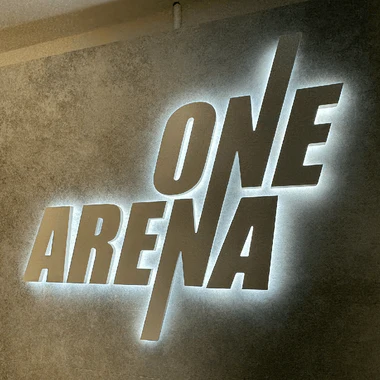
Walk past any newly renovated shopfront lately and there’s a decent chance you’ve noticed it, that soft glow sitting behind raised letters, giving the whole sign a bit of depth after dark instead of just sitting there flat and lit from the front. It’s not a passing trend either. 3d led backlit signs have become one of the more requested styles over the last few years, mostly because they manage to look genuinely premium without needing an enormous budget behind them, and once you understand how they actually work, it’s easy to see why they’ve caught on so much.
What’s Actually Happening Behind the Letters
Truth is, the effect comes from individual LED modules mounted behind each raised letter or logo element, shining light outward against the wall rather than through the letters themselves the way a traditional lightbox does. That creates a halo, a soft glowing outline around each character, which reads as more sophisticated and dimensional than a flat illuminated panel. The letters themselves are usually built up from acrylic or metal, giving genuine physical depth during the day even before the lights switch on come evening.
Why This Style Reads as More Premium Than Standard Illuminated Signs
A lot of it comes down to subtlety, oddly enough. Traditional lightbox signs blast light straight at the viewer, functional certainly, but not exactly elegant. Backlit letters give a softer, more considered glow that suggests someone actually thought about the aesthetics rather than just prioritising visibility above everything else. Restaurants, boutique retailers, offices wanting to project a slightly upmarket feel, this style tends to suit them particularly well, since it signals a bit more intention behind the branding than a basic bright box ever really can.
The Build Process Is More Involved Than People Expect
This isn’t a quick job, worth knowing that going in. Individual letters get cut, usually from acrylic or metal, then LEDs get mounted inside a standoff spacer that holds the letter slightly away from the wall, which is actually what creates that glowing halo effect around the edges. Wiring needs to be run discreetly, hidden behind the wall or through it entirely if possible, since visible cabling ruins the clean look the whole style’s going for in the first place. Getting spacing and standoff depth right takes real experience, too close to the wall and the glow looks weak, too far and the letters can look like they’re floating oddly.
Finding Sign Makers Cork Businesses Trust With This Kind of Detail Work
This is genuinely where things separate a good job from a mediocre one, more than with most other sign types. Not every studio has the specific skills for this style, since it demands more precision than a standard flat panel or basic lightbox job. If you’re looking around at sign makers cork wide who’ve actually handled backlit letters before, ask to see finished examples specifically, not just renders. Lit up at night ideally, since a daytime photo tells you nothing about whether the glow effect’s actually even and consistent across every letter.
Energy Use Is Lower Than People Assume Going In
A common worry, understandably, running LEDs constantly through the evening sounds like it’d rack up a noticeable electricity bill. In practice, LED technology’s genuinely efficient, and backlit signage typically uses a fraction of what older neon or fluorescent lightbox setups needed for a comparable visual impact. Most businesses find the running cost fairly negligible against everything else they’re paying for monthly, especially once you factor in that LEDs also last considerably longer before needing replacement, which cuts down on maintenance callouts too.
Weather Resistance Matters a Lot for Outdoor Installations
Since this style sits outside exposed to actual weather, proper waterproofing around every LED module and wiring connection genuinely matters, more than people initially think about when they’re just admiring the aesthetic in photos online. Poor sealing lets moisture in over time, which can cause flickering, dead sections of lettering, or in worse cases actual electrical faults down the line. Ask specifically what IP rating the components carry, and whether the installer’s experienced fitting this style in genuinely wet, unpredictable conditions rather than somewhere with a milder, drier climate.
Cost Sits Higher Than Basic Signage, Worth Knowing Upfront
Prices vary a fair bit based on letter size, quantity, and material choice, but this style generally costs more than a flat printed panel or standard lightbox equivalent, sometimes considerably more. The precision fabrication involved, individual LED modules, custom standoffs for each letter, that all adds labour and material cost that a simpler sign just doesn’t carry. It’s worth budgeting realistically for this rather than being surprised later, and comparing quotes carefully since quality and finish can vary noticeably between different fabricators even at similar price points.
Maintenance Is Genuinely Manageable Long Term
Once installed properly, this style doesn’t demand much ongoing attention. Individual LED modules can be replaced without redoing the entire sign if one section fails eventually, which is a real advantage over older lighting technology where a whole unit sometimes needed swapping for one dead section. Occasional cleaning to keep the acrylic or metal letters looking sharp, and that’s roughly it for most installations, assuming the initial waterproofing and installation were done properly in the first place.
Wrapping This Up
At the end of the day, this style of signage earns its slightly higher price tag through the visual impact it delivers, day and night both, and the genuine sense of quality it projects for a business willing to invest in it properly. Whether you’re chasing sign makers in cork wide who specialise specifically in this detailed fabrication work, or just trying to understand whether the style suits your particular shopfront and budget, ask detailed questions about waterproofing, energy use, and past installations before committing. Get those answers, and you’ll end up with something that genuinely elevates how your business looks after dark, rather than just another sign blending into the street.