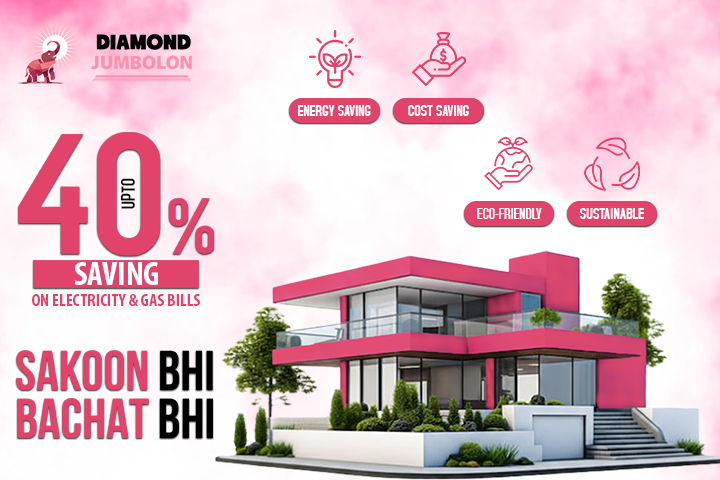
Spray Foam and Wall Insulation for Energy-Efficient Buildings
Spray Foam is a versatile insulation solution used to reduce heat transfer, seal air gaps, and improve the thermal performance of residential, commercial, and industrial buildings. As energy costs rise and extreme temperatures become a greater concern, effective building insulation can help maintain comfortable indoor conditions while reducing the demand on cooling and heating systems. Choosing the right insulation material for each part of a building is essential for creating an efficient and durable building envelope.
What Is Spray Foam Insulation?
Spray foam is a liquid-applied insulation material that expands after application and forms a continuous layer. Its ability to conform to irregular surfaces makes it useful for filling gaps, cracks, cavities, and difficult-to-reach areas.
Unlike rigid insulation boards, which are manufactured to specific dimensions, spray-applied foam can adapt to the shape of the surface where it is installed.
Depending on the formulation and application, it can be used around:
- Roofs and ceilings
- Wall cavities
- Attics
- Service penetrations
- Irregular surfaces
- Gaps and joints
The appropriate foam type should be selected according to the building structure, climate, moisture conditions, and required thermal performance.
How Spray Foam Reduces Heat Transfer
Heat naturally moves from warmer areas toward cooler areas. During summer, external heat can enter through walls, roofs, gaps, and poorly sealed areas. During winter, indoor heat can escape through the same weak points.
Insulation reduces this movement by increasing resistance to heat flow.
Because spray-applied foam expands into gaps and irregular spaces, it can help create a more continuous insulating layer in suitable applications.
A properly designed system can contribute to:
- Reduced heat transfer
- Better indoor temperature stability
- Lower cooling and heating demand
- Improved energy efficiency
- Greater indoor comfort
Energy savings vary depending on building design, insulation thickness, climate, air-conditioning efficiency, installation quality, and occupant behavior.
Why Wall Insulation Is Important
Walls make up a significant portion of a building’s external surface. Exterior walls exposed to direct sunlight can absorb solar heat and gradually transfer it into interior spaces.
This can increase indoor temperatures and make air-conditioning systems work harder.
During colder weather, poorly insulated walls can allow indoor heat to escape.
Adding suitable insulation increases the thermal resistance of the wall and helps maintain more stable indoor temperatures.
Effective wall insulation can therefore improve both comfort and the overall energy performance of a building.
Benefits of Insulated Walls
Reduced Heat Gain
Insulated walls slow the movement of external heat into indoor spaces, helping reduce the impact of high outdoor temperatures.
Better Temperature Control
A properly insulated building envelope can maintain more consistent indoor conditions throughout the day.
Lower Cooling Demand
When less heat enters through the walls, air-conditioning systems may have a lower cooling load.
Improved Energy Efficiency
Reducing unnecessary heat transfer can support more efficient use of electricity and other energy resources.
Greater Indoor Comfort
Insulation helps reduce temperature fluctuations and can make occupied spaces more comfortable throughout the year.
XPS Insulation for Wall Applications
XPS, or extruded polystyrene, is another widely used insulation material for suitable building applications.
XPS insulation boards have a closed-cell structure that provides thermal resistance, moisture resistance, and compressive strength.
They can be used in suitable:
- Exterior wall systems
- Roof assemblies
- Floors
- Foundations
- Commercial buildings
- Industrial facilities
The rigid structure of XPS provides consistent insulation thickness and makes it suitable for applications where durable thermal protection is required.
However, XPS boards and spray-applied foam have different properties. The appropriate material should be selected according to the building design and performance requirements.
Spray Foam vs. Rigid Insulation Boards
Both spray-applied foam and rigid insulation boards can improve thermal performance, but they are designed for different applications.
Spray foam can conform to uneven surfaces and fill difficult gaps, making it useful where continuous application is required.
Rigid XPS boards provide a consistent thickness and can offer strong thermal and moisture performance for suitable roofs, walls, floors, and foundations.
The choice depends on:
- Surface condition
- Available installation space
- Required thermal resistance
- Moisture exposure
- Structural requirements
- Project design
In some projects, different insulation materials may be used in different areas to achieve the desired performance.
Moisture and Insulation Performance
Moisture management is an important part of building insulation.
Exterior walls and roofs are exposed to rain, humidity, condensation, and temperature changes. An insulation system should therefore be designed alongside appropriate waterproofing, drainage, and vapor-control measures.
XPS insulation has a closed-cell structure and low water absorption, making it suitable for certain applications where moisture resistance is important.
Foam insulation also needs to be correctly specified and installed so that the overall wall or roof assembly manages moisture appropriately.
Insulation should complement the building envelope rather than replace waterproofing systems.
Combining Roof and Wall Insulation
Heat can enter a building through several surfaces, so insulating only one area may not provide complete thermal protection.
A comprehensive insulation strategy can include:
- Roof insulation
- Exterior wall insulation
- Floor insulation
- Foundation insulation
- Pipe insulation
- Water tank insulation
Roof insulation is particularly important in hot climates because rooftops receive direct solar exposure for extended periods.
Combining roof and wall insulation can create a more continuous thermal barrier around occupied spaces.
Why Professional Installation Matters
Installation quality has a direct effect on insulation performance.
Poor installation can result in gaps, thermal bridges, incomplete coverage, and moisture-related problems.
Before installing insulation, the building should be assessed to determine the appropriate material, thickness, application method, and moisture-control requirements.
Professional installation helps ensure proper coverage and integration with windows, doors, joints, roof connections, and other building components.
Choosing the Right Insulation Solution
The most suitable insulation material depends on the application rather than simply its popularity or price.
Property owners should consider:
Thermal performance: The material should provide appropriate resistance to heat flow.
Moisture resistance: The insulation should be suitable for the environmental conditions.
Durability: Materials should maintain their performance over the expected service life.
Installation requirements: The application method should be compatible with the building structure.
Long-term value: Initial cost should be considered alongside performance, durability, and installation requirements.
A properly specified insulation system provides better long-term results than selecting a material based solely on upfront price.
Creating a More Energy-Efficient Building
Modern insulation solutions can improve thermal comfort, reduce unwanted heat transfer, and support more efficient building performance. Spray-applied insulation can be useful for irregular spaces and air-sealing applications, while XPS boards provide rigid thermal protection for suitable roofs, walls, floors, and foundations. The best results come from selecting each material according to the building’s specific requirements and installing it correctly. For homeowners, builders, and commercial property owners seeking better temperature control and reduced cooling demand, investing in high-quality Wall Insulation can be an effective long-term step toward a more comfortable and energy-efficient building.