Technical SEO audit analyzing website performance, indexing, and search visibility
Getting more visitors from Google sounds like a straightforward SEO goal, but traffic alone does not guarantee business growth. If important pages cannot be crawled, mobile users struggle to navigate the site, or search engines have trouble understanding the website structure, valuable opportunities can be lost.
This is where a technical SEO audit becomes important. A thorough audit looks beyond keywords and content to identify the technical issues that can prevent a website from performing at its full potential. More importantly, fixing those problems can create a stronger foundation for organic traffic, conversions, and long-term revenue.
For any website marketing company, technical SEO should be treated as an ongoing part of website management rather than a one-time checklist.
What Is a Technical SEO Audit?
A technical SEO audit examines the behind-the-scenes elements that influence how search engines crawl, understand, and index a website.
Unlike a content audit, it focuses on areas such as site architecture, indexing, page speed, mobile usability, redirects, structured data, internal links, and other technical signals.
The objective is not to fix every minor issue simply because an SEO tool reports it. Instead, businesses should prioritize problems that can affect important pages, organic visibility, user experience, or conversions.
That distinction can make an audit much more valuable from a revenue perspective.
Finding Crawl and Indexing Problems
Search engines need to discover and access pages before those pages can appear in search results.
A technical audit checks whether important URLs are being crawled and indexed correctly. It may uncover accidental noindex directives, blocked resources, incorrect canonical tags, broken links, redirect chains, or other problems that interfere with search visibility.
XML sitemaps and robots.txt files are also reviewed to ensure they support the intended crawling process.
For example, if a high-value service page is accidentally excluded from indexing, improving its content will not solve the underlying problem. The technical issue needs to be addressed first.
Improving Website Architecture and Internal Links
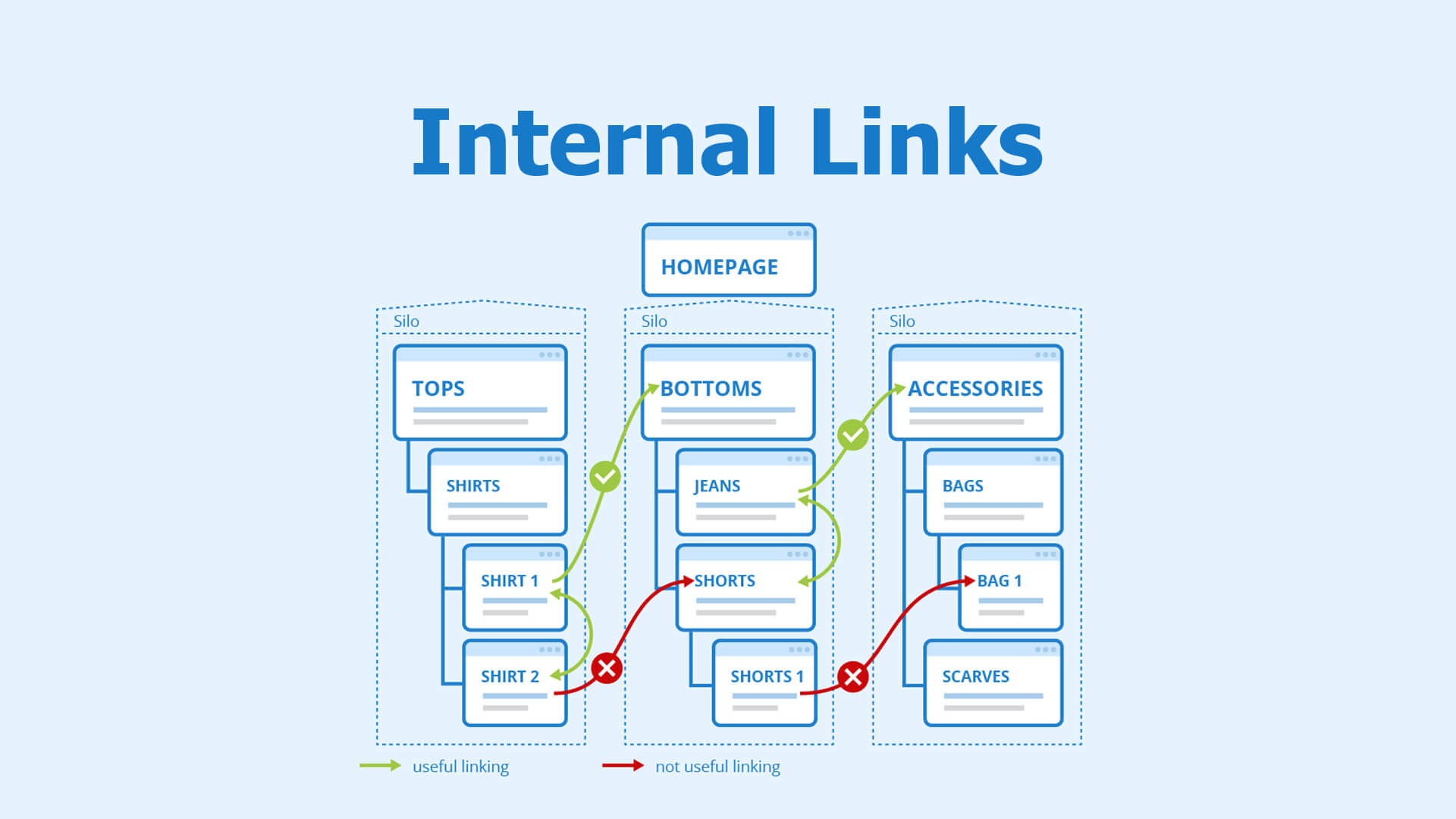
Website structure affects both users and search engines.
A clear hierarchy helps visitors move from general information toward relevant products, services, or resources. Strong internal linking also helps search engines discover related pages and understand how different topics connect.
This is particularly important for best shopify agency with multiple services, locations, product categories, and educational resources.
An audit can identify orphan pages, excessive click depth, broken internal links, and opportunities to connect related content more effectively.
The result is a website that is easier to navigate and easier for search engines to understand.
Addressing Page Speed and Core Web Vitals
Website performance can influence both user experience and search performance.
Slow pages can frustrate visitors, particularly on mobile devices. Large images, unnecessary JavaScript, third-party scripts, inefficient code, and poorly optimized resources can all contribute to performance problems.
Technical audits often examine metrics associated with Google’s Core Web Vitals, including loading performance, responsiveness, and visual stability.
The goal should not be to chase a perfect score at the expense of functionality. Instead, businesses should focus on improvements that make important pages faster and easier to use.
A faster experience can also reduce friction between arriving on a page and taking the next step, whether that means submitting a form, requesting a quote, or purchasing a product.
Fixing Duplicate and Canonicalization Issues
Duplicate or substantially similar URLs can create confusion about which version of a page should be indexed.
An audit can identify duplicate URLs, inconsistent canonical tags, unnecessary URL parameters, and other signals that make site architecture harder to interpret.
Canonicalization is particularly important for ecommerce websites and large websites where similar pages can exist in multiple URL variations.
Resolving these issues can help search engines focus on the versions of pages that businesses actually want to appear in organic search.
Making Structured Data Work Properly

Structured data provides search engines with additional information about page content.
Depending on the website, structured data may be used for products, organizations, articles, events, breadcrumbs, and other supported content types.
A technical audit can identify missing, invalid, or incorrectly implemented structured data.
However, structured data should only describe information that is actually present and relevant to the page. Adding markup simply to chase enhanced search appearances can create problems if it does not accurately represent the content.
Technical SEO and Revenue: Where the Connection Happens
Technical SEO does not generate revenue by itself. Its value comes from removing barriers between search visibility and business outcomes.
Imagine a website ranking well for valuable commercial searches but sending users to slow pages with confusing navigation. Another site may have excellent content but accidentally prevent important pages from being indexed.
In both cases, technical problems can limit the value of SEO investment.
A technical audit helps identify these bottlenecks so businesses can prioritize improvements based on potential impact.
Benefits and Limitations of Technical SEO Audits
The biggest benefit is visibility into problems that may otherwise remain hidden. Audits can uncover indexing issues, broken links, performance problems, duplicate URLs, and structural weaknesses.
The limitation is that automated tools cannot always determine business priorities. A long list of warnings does not automatically mean every issue deserves immediate attention.
Human analysis is still needed to understand which technical problems affect important pages and which can safely be addressed later.
Frequently Asked Questions
How frequently should you execute a technical SEO audit?
It’s not one size fits all. A big website, one that is an ecommerce website or one that has new developments all the time, will likely require a more rigorous schedule of technical audits. Smaller sites should be able to do a lower frequency and more constant check in on significant issues.
How can a technical SEO audit increase organic traffic?
Crawling: It can also help eliminate technical constraints that might hinder crawling, indexing, usability, or search performance. Search volume growth: However, traffic growth is dependent on various elements like competitive landscape, search volume, authority, content quality, and SEO strategy.
Should technical SEO come before content optimization?
Both are important. Great content in the absence of an area that can be crawled and indexed well will fail to get organic visibility. This is where technical SEO plays a vital role to compliment your content and Authority.
Conclusion

Technical SEO audits are most powerful when they are linked to business goals, not when they are a pile of technical grades.
Fixing crawling and indexing issues, improving architecture, creating good internal linking, fixing performance issues, dealing with duplicate URLs and validating structured data will provide a strong foundation for the growth of organic search.
For a website marketing company, this means looking beyond rankings and asking a more useful question: can the website consistently turn search visibility into meaningful customer actions?
When technical SEO, useful content, strong marketing sites, and conversion-focused experiences work together, organic search becomes more than a traffic channel. It becomes a sustainable part of the broader digital growth strategy.