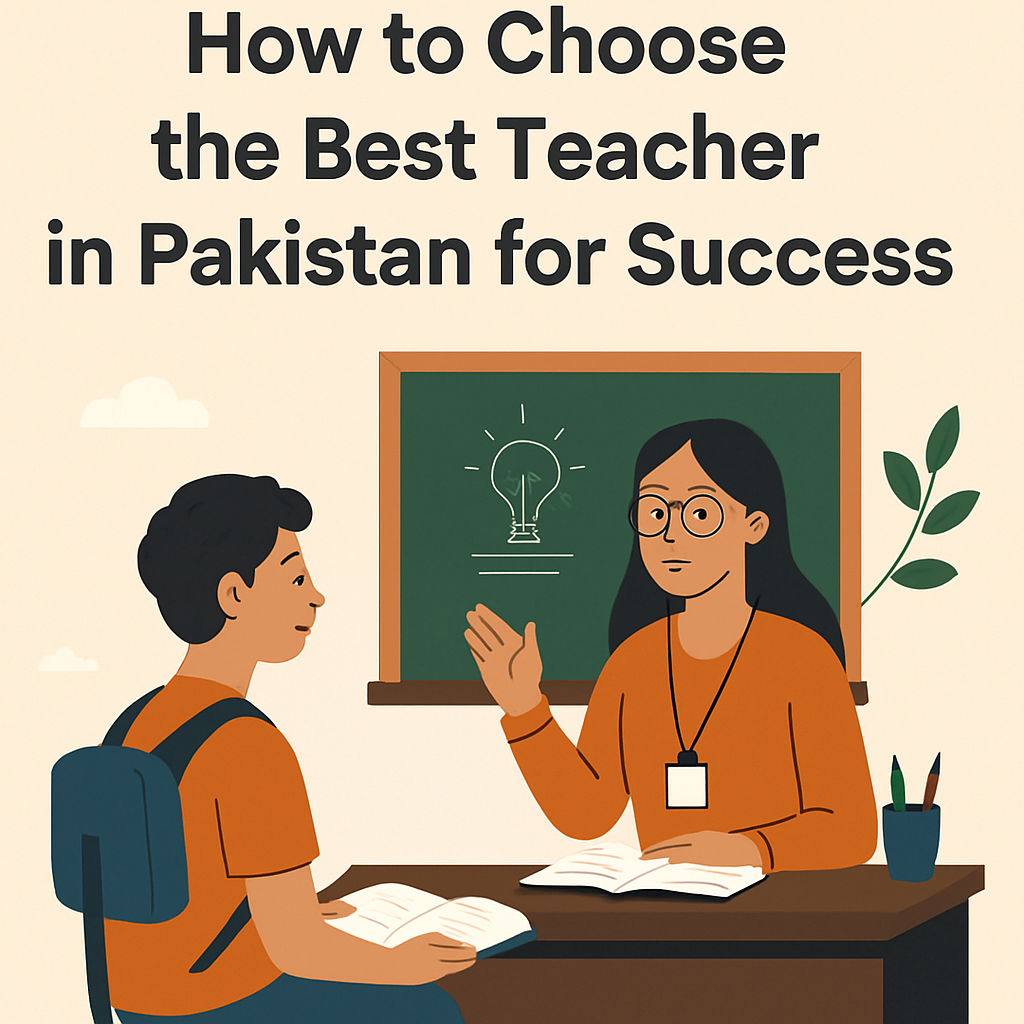
Teacher in Pakistan selection can shape a student’s learning, confidence, and future success. A good educator does more than explain lessons. They help students ask questions, solve problems, and enjoy learning. Parents and students should check teaching skills, education, experience, communication, and subject knowledge before making a choice. In Pakistan, learners can study at schools, colleges, academies, or through private tuition. Therefore, their needs may differ. This guide explains simple ways to find a qualified teacher who meets those needs. It also covers teacher qualifications, classroom skills, training, and teaching methods. With the right information, families can make a better and more confident choice.
How to Find the Right Teacher in Pakistan Today
Choosing a good Teacher in Pakistan starts with understanding the student’s needs. Some students need help with one subject. Others need support with study habits, confidence, or exam preparation. Parents should first identify these needs. Then, they can search for an educator with suitable skills, qualifications, and experience. This simple process saves time and helps students receive focused learning support.
Key Takeaways for Choosing a Qualified Teacher
Finding the right educator becomes easier when families know what to check. A teaching certificate alone may not show how well someone can teach. Parents should also consider classroom skills, communication, patience, and professional development. These factors help show whether an educator can support a learner in a safe, clear, and useful way.
• Check the teacher’s academic and professional qualifications
• Look for relevant classroom or tutoring experience
• Review communication and subject knowledge
• Ask about teaching methods and student assessment
• Choose an educator who supports steady student progress
What Qualifications Should a Good Teacher Have Today
Qualifications help parents understand an educator’s academic background and teacher education. The required qualification can vary by school level, subject, and employer. A bachelor’s or master’s degree may provide strong subject knowledge, while professional teacher training can improve classroom practice. Some educators also complete a Post Graduate Diplom to develop further knowledge and practical skills for their professional careers.
However, families should not choose someone based only on degrees. A qualified teacher should know how to explain difficult ideas in simple words. They should also plan lessons, check progress, and change their approach when a student struggles. When reviewing qualifications, parents can ask to see certificates and learn about relevant teaching experience.
How Teaching Experience Can Improve Student Success
Teaching experience can help an educator understand different learning needs. An experienced school teacher has often worked with students who learn at different speeds. As a result, they may know several ways to explain the same topic. They can also notice common mistakes and help learners correct them before those mistakes become habits.
Still, years of experience alone do not guarantee quality. Parents should look at how the educator uses that experience. Ask how they plan lessons, manage learning problems, and measure progress. A skilled educator continues learning through professional development, updated teaching methods, and feedback. This approach can create a better learning experience for students.
How Strong Communication Helps Students Learn Better
Good communication is one of the most useful teaching skills. A teacher should use clear and age appropriate language. They should listen carefully when students ask questions. They should also give learners enough time to think and respond. This creates a classroom where students feel comfortable taking part in lessons.
Parents should notice how an educator communicates during the first meeting or lesson. Does the teacher explain ideas clearly? Do they welcome questions? Do they provide useful feedback? Strong communication also matters between teachers and parents. Regular updates can help families understand academic progress and identify areas that need more attention.
What Teaching Methods Work Best for Pakistani Students
No single teaching method works for every student. Some children learn well through reading and writing. Others understand ideas faster through pictures, examples, activities, or practice. Therefore, a capable educator should adjust lessons according to the learner, subject, age, and academic level.
Useful classroom teaching methods may include:
• Explain new ideas with simple real life examples
• Ask questions to check student understanding
• Use activities that encourage active learning
• Give suitable practice and useful feedback
• Review student progress at regular intervals
Modern teaching should encourage understanding instead of relying only on memorization. This matters when students prepare for exams and also when they use their knowledge outside the classroom. A flexible approach can improve problem solving, confidence, and independent learning.
How to Check a Teachers Skills Before You Decide
A trial lesson can provide useful information before parents make a final choice. During the lesson, observe how the educator explains the topic and responds to questions. A good instructor should remain patient and focused. They should make the lesson clear without making the student feel afraid to ask for help.
Parents can also ask for references when appropriate. Previous student feedback may offer helpful context, although families should assess it carefully. Ask the educator how they track academic performance and what they do when a learner falls behind. Clear answers can show whether the teacher follows an organized learning plan.
Why Professional Teacher Training Matters in Pakistan
Teacher training builds practical classroom skills. Academic knowledge tells educators what to teach, while professional training can help them learn how to teach it. Training may cover lesson planning, assessment, classroom management, child development, communication, and educational technology. These areas can support better daily teaching.
Professional development also matters because education keeps changing. New learning tools and classroom methods continue to appear. Skilled educators should update their knowledge and evaluate which methods work for their students. Ali Institute of Education supports education and professional learning in Pakistan, helping educators strengthen the skills needed for effective teaching and student development.
How Parents Can Compare Teachers With Confidence
Price can matter when choosing private tuition or other learning support, but it should not be the only factor. A low fee does not always mean poor teaching, and a high fee does not guarantee better results. Instead, compare qualifications, experience, teaching style, availability, and the learner’s needs.
Parents should also set clear expectations. Ask about lesson length, learning goals, assessment, homework, and progress reports. For online teaching, check internet access and the digital tools used for lessons. For home tuition, families should also consider safety and scheduling. A clear arrangement can help both the student and educator stay focused.
What Makes a Teacher Effective for Long Term Success
An effective educator focuses on progress instead of only marks. Exam scores matter, but students also need curiosity, confidence, discipline, and problem solving skills. Good instructors encourage learners to understand why an answer is correct rather than simply memorizing it. This approach can build stronger academic habits.
A strong student teacher relationship should also include respect and clear boundaries. Educators should treat learners fairly and create a supportive learning setting. They should provide useful feedback and recognize genuine improvement. At the same time, they should guide students when more effort is needed. These habits can support long term learning.
How to Make the Final Choice for Better Learning
Before making a decision, parents and students should review all the important factors together. Check the educator’s qualifications, professional training, subject expertise, communication style, and relevant experience. Then consider how well the teaching approach fits the student’s learning needs.
Do not rely on one test score, advertisement, or recommendation. Instead, use several sources of information. A trial lesson, qualification check, discussion, and references can provide a clearer picture. After lessons begin, monitor progress over time. If the student understands lessons better and develops stronger study habits, the teaching approach may be working well.
Conclusion on Choosing the Best Teacher for Success
Choosing the right educator requires more than finding someone with strong academic results. Families should consider qualifications, teaching experience, communication, classroom methods, assessment, and professional development. They should also choose someone who understands the student’s learning needs and can explain concepts clearly.
Ali Institute of Education supports quality education and professional teacher development. Educators who want to improve their classroom knowledge can explore Teachers training in Lahore and learn more about professional development opportunities. Better teacher preparation can support stronger lessons, while informed choices can help students build knowledge, skills, confidence, and lasting learning habits.
Frequently Asked Questions About Teachers in Pakistan
What qualifications should a teacher have in Pakistan?
Teacher qualifications depend on the institution, level, and subject. Schools may seek relevant academic degrees and professional education credentials. Parents should verify qualifications and also consider subject knowledge, classroom experience, communication skills, and the educator’s ability to support students.
How can I identify a good teacher for my child?
Check qualifications, experience, subject knowledge, communication, and teaching methods. Observe a trial lesson when possible. A good educator should explain concepts clearly, welcome questions, assess progress, and adjust lessons when your child needs a different approach to learning.
Why is teacher training important in Pakistan?
Teacher training develops practical skills in lesson planning, assessment, classroom management, communication, and student support. It can help educators turn subject knowledge into effective lessons and adapt their methods to different learners, school settings, and changing educational needs.
Is an experienced teacher always the best choice?
Not always. Experience can be valuable, but teaching quality also depends on subject knowledge, preparation, communication, training, and adaptability. Compare these factors with the student’s needs rather than choosing an educator based only on the number of years taught.
What should parents ask before hiring a private teacher?
Parents should ask about qualifications, teaching experience, lesson plans, fees, schedules, assessment methods, and progress updates. They should also discuss the student’s goals and learning difficulties. Clear expectations can help parents, students, and tutors work toward measurable academic progress.