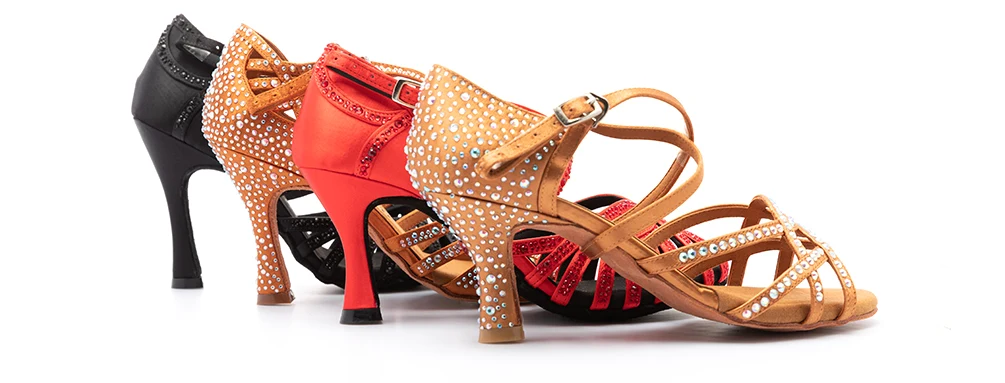
Finding the right manufacturer is an important step when investing in Latin dance footwear. Whether you are a beginner seeking a comfortable pair for regular lessons, an experienced dancer preparing for competitions, or a dance studio purchasing shoes for multiple students, product quality and consistent sizing matter. A reliable manufacturer should understand the demands of Latin dancing and offer clear information about materials, construction, fit, and available customization options.
When researching Custom Latin Dance Shoes, look beyond attractive product photographs and competitive prices. Consider the manufacturer’s experience, communication, quality-control procedures, sizing guidance, and ability to explain its production process. Taking time to evaluate these factors can help you make a more informed decision and avoid unnecessary problems with your order.
Why Choosing the Right Manufacturer Matters
Latin dance shoes must accommodate repeated turns, quick footwork, controlled weight transfers, and frequent training sessions. Poor construction or inconsistent sizing can affect comfort and make the footwear less suitable for regular use.
A dependable manufacturer should understand how different components work together, including the upper, sole, straps, heel, and footbed. Each element contributes to the shoe’s overall fit, durability, and feel during movement.
The manufacturer should also communicate clearly about what can and cannot be customized. Realistic information about sizing, production timelines, materials, and order requirements is more useful than broad promises about performance.
Evaluate the Manufacturer’s Experience
Experience can provide useful insight into whether a manufacturer understands the specific requirements of dance footwear. However, years in business alone do not guarantee quality, so look for evidence that supports the company’s claims.
Review the Product Range
Examine whether the manufacturer offers footwear designed specifically for Latin dancing. Look for details about heel shapes, sole types, strap arrangements, upper materials, and intended uses.
A manufacturer with a clear product range may be better equipped to explain the differences between designs and help you identify suitable options. Pay attention to whether the product descriptions provide practical information rather than focusing exclusively on appearance.
Examine Construction Details
Reliable product information should explain the materials used and provide a clear view of the shoe’s construction. If possible, review close-up photographs showing stitching, straps, sole edges, and heel attachments.
Look for consistent finishing and components that appear securely assembled. If a listing provides little technical information, contact the manufacturer and ask specific questions before placing an order.
Ask About Dance-Specific Requirements
A manufacturer familiar with Latin dance footwear should be able to discuss the relationship between fit, heel height, sole material, and movement. Clear answers can help you assess whether the company understands your requirements.
Be cautious if a representative cannot explain basic product features or makes unsupported claims that a particular shoe will automatically improve balance or technique.
Check Materials and Construction Quality
Material selection affects comfort, appearance, maintenance, and durability. A reliable manufacturer should be able to identify the materials used in the upper, lining, sole, and other important components.
Upper Materials
Leather, satin, and synthetic materials are common options, but they have different properties. Leather may offer flexibility depending on its finish, satin provides a polished appearance, and synthetic fabrics vary in breathability and ease of maintenance.
Ask which materials are available and how they are expected to perform during regular use. The right choice depends on your practice schedule, comfort preferences, and whether the shoes are intended for training or competition.
Sole Quality
The sole influences traction and turning on the dance floor. Suede soles are commonly used for indoor dance footwear because they can provide a balance between grip and controlled movement when properly maintained.
Ask whether the sole is intended for the surfaces where you plan to dance and what maintenance it requires. A trustworthy manufacturer should explain the product’s intended use without suggesting that one sole works equally well on every floor.
Heel Attachment and Stitching
The heel, straps, and stitching deserve particular attention because they contribute to the shoe’s structure and security. Ask how the manufacturer checks these components during production.
Although photographs cannot confirm every aspect of quality, detailed product images and specific construction information can help you decide whether further questions or a sample order are necessary.
Understand the Customization Process
Customization can be valuable when standard footwear does not match your measurements or design preferences. However, the term can mean different things depending on the manufacturer.
Some companies may offer choices in color, material, heel shape, or strap design, while others may provide more individualized sizing options. Confirm the exact scope of customization before assuming that every part of the shoe can be adjusted.
A reliable manufacturer should explain:
- Which design features can be changed.
- What measurements are required.
- How to submit measurements accurately.
- Whether custom orders have different production timelines.
- Which changes may affect fit, construction, or price.
Ask for written confirmation of your selected specifications. This provides a useful reference if you need to clarify an order later.
Review Sizing Guidance and Fit Support
Sizing is one of the most important factors when ordering dance shoes, particularly online. Shoe sizes can vary between manufacturers, and a familiar size does not always guarantee a suitable fit.
A dependable manufacturer should provide a clear sizing guide and explain how to measure foot length and width. If custom measurements are accepted, follow the instructions carefully and check whether measurements should be taken while standing.
Consider the following when evaluating sizing support:
Clear instructions: The manufacturer should explain how to measure both feet and which measurements are required.
Width considerations: A suitable fit should account for the forefoot and heel rather than relying on length alone.
Communication: You should be able to ask questions about sizing before confirming your order.
Fit-related policies: Review the company’s terms for custom sizing, exchanges, adjustments, and returns before paying.
Custom footwear may not be eligible for the same return options as standard products, so understanding the policy in advance is particularly important.
Look for Genuine Customer Feedback
Customer reviews can offer insight into product quality, sizing consistency, communication, and delivery experience. However, individual reviews should be considered alongside other evidence rather than treated as a complete guarantee.
Look for detailed feedback that describes how the shoes fit, how they perform during practice, and whether the finished product matches its description. Reviews that mention both advantages and limitations may provide a more balanced picture than vague praise.
Check whether feedback appears across more than one source when possible. Pay attention to recurring complaints about delayed orders, inconsistent sizing, or difficulty contacting the seller.
If the manufacturer provides customer photographs or testimonials, consider whether the examples offer useful information about the actual products. Do not assume that every image or review independently verifies the company’s claims.
Assess Communication and Customer Service
Clear communication is an important sign of a professional ordering process. Before committing to a purchase, contact the manufacturer with a few practical questions about sizing, customization, materials, or delivery.
Notice whether the response is specific, understandable, and consistent with the information on the website. A helpful representative should be willing to explain options and clarify limitations without pressuring you into a quick decision.
Reliable customer service is particularly important for custom orders because measurements and design specifications may require additional discussion.
Before paying, make sure you understand the order confirmation process, the expected production timeline, and the steps to take if the finished shoes do not match the agreed specifications.
Compare Prices Without Sacrificing Quality
Price is a useful comparison point, but the lowest quote does not always represent the best value. Different manufacturers may use different materials, construction methods, customization options, and quality-control processes.
When comparing offers, consider the complete cost rather than the advertised price alone. Shipping charges, taxes, custom-design fees, and potential import costs may affect the final amount.
Ask for a clear breakdown if any charges are uncertain. Also compare what is included in each offer, such as the level of customization, sizing support, and after-sales assistance.
An unusually low price is not proof of poor quality, just as a high price does not guarantee superior construction. Use price alongside product details, customer feedback, and communication quality to guide your decision.
Check Production and Delivery Timelines
Custom footwear may require additional time because measurements, materials, and design choices need to be confirmed before production. A manufacturer should provide a realistic estimate and explain whether the timeline begins after payment, specification approval, or another step.
If you need shoes for a competition or scheduled event, allow extra time for shipping and any necessary fit adjustments. Avoid relying on an optimistic delivery estimate without understanding the conditions attached to it.
Ask how tracking information is provided and whom to contact if the order is delayed. Clear expectations can reduce uncertainty, especially when purchasing from an overseas supplier.
Understand Policies Before Placing an Order
Before completing your purchase, review the manufacturer’s policies carefully. This is especially important when ordering custom footwear because personalized products may be subject to different return or exchange conditions.
Confirm the following details:
- Payment terms: Understand when payment is due and which payment methods are accepted.
- Order changes: Check whether specifications can be changed after production begins.
- Returns and exchanges: Review the conditions for standard and custom products.
- Defective items: Find out how construction defects or incorrect specifications are handled.
- Privacy: Understand how your personal information and measurements are collected and used.
Keep copies of your order confirmation, payment receipt, measurement details, and any written agreements about customization. These records can help resolve misunderstandings if they arise.
Warning Signs to Watch For
A manufacturer does not need to be perfect to be reliable, but certain warning signs deserve careful attention.
Be cautious if the company:
- Provides no clear contact information or meaningful product details.
- Avoids answering reasonable questions about materials and construction.
- Makes unrealistic promises about comfort, durability, or performance.
- Pressures you to pay immediately without explaining the order terms.
- Cannot provide clear information about shipping or custom-order policies.
- Gives conflicting answers about sizing or available design options.
One concern does not necessarily establish that a business is untrustworthy. However, several unresolved issues should prompt you to seek additional information or compare other manufacturers before committing.
Should You Order a Sample Pair First?
If you are purchasing from an unfamiliar manufacturer, ordering one pair before placing a larger order may be a sensible way to assess the product. This is particularly relevant for dance studios, retailers, and instructors considering footwear for several dancers.
A sample allows you to examine material quality, stitching, fit, sole performance, and overall finishing. You can also evaluate whether the product matches the manufacturer’s description.
Test the shoes during controlled practice on a suitable floor and check for pressure points, slipping, and fastening issues. If the pair meets your expectations, you can discuss a larger order with more confidence.
Before ordering a sample, confirm whether its price, shipping costs, and customization options differ from those of a bulk purchase.
Final Thoughts
Finding a reliable custom Latin dance shoe manufacturer requires careful evaluation of product quality, sizing support, customization options, communication, and business policies. A professional supplier should provide clear information about materials, construction, production timelines, and the practical limitations of its footwear.
Take time to compare manufacturers rather than making a decision based on photographs or price alone. Ask specific questions, review customer feedback, and understand the terms of your order before making payment.
Whether you need one pair for personal practice or multiple pairs for a dance studio, a structured selection process can help you reduce uncertainty and choose a supplier whose products and service align with your requirements.