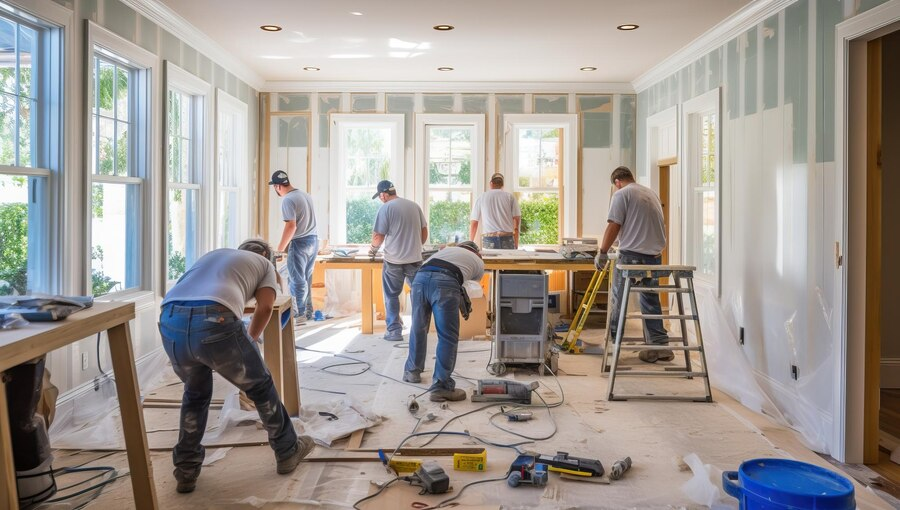
A remodel should leave your home more comfortable, more functional, and more valuable. Too often it leaves homeowners with blown budgets, missed deadlines, and results that don’t match what they pictured. The good news is that most of these problems come from the same handful of avoidable mistakes.
Whether you’re updating a single bathroom or reworking several rooms, knowing where projects go wrong helps you plan better and ask smarter questions. It also helps you recognize what to look for in professional home remodeling services before you sign anything. Here are the ten most common home remodeling mistakes, why they happen, and how to avoid them.
Planning Mistakes That Cause Trouble Before Work Begins
Many remodeling problems start long before a contractor arrives. Decisions made, or skipped, during planning shape everything that follows.
1. Starting Without a Realistic Budget
The most common mistake in home remodeling is an unrealistic budget. Homeowners often set a number based on a rough guess or a single online estimate, then discover that materials, labor, and finishing details add up quickly.
A realistic budget accounts for the whole project: demolition, materials, labor, fixtures, finishes, disposal, and permits where required. It also includes a contingency fund. Many industry professionals suggest setting aside roughly 10 to 20 percent for surprises, and older homes often need the higher end of that range. Opening a wall can reveal outdated wiring, water damage, or pipes that need attention, and none of that shows up in a first estimate.
How to avoid it: Decide the maximum you’re comfortable spending, then plan the scope to fit within about 80 to 90 percent of it and keep the rest in reserve. If your wish list doesn’t fit the budget, phase the project or prioritize the rooms that matter most.
2. Skipping a Clear Scope and Set of Priorities
“We want to update the kitchen” is a wish, not a plan. Without a defined scope, projects drift. Small additions pile up, costs creep, and the finished result feels like a compromise.
Before requesting quotes, write down what you want to change, what must stay, and what you’d happily give up if costs rise. Note how you actually use the space. If you cook daily, counter space and storage may matter more than a premium backsplash. If a bathroom is shared by a busy household, durability and ventilation may outrank decorative extras.
How to avoid it: Create a simple list of “must-haves,” “nice-to-haves,” and “only if the budget allows.” Share it with every contractor you speak to so that quotes can be compared fairly.
3. Ignoring Permits and Local Building Codes
Permits are easy to dismiss as paperwork, but skipping them can create expensive problems. Unpermitted work may lead to fines, orders to redo the work, trouble with insurance claims, and complications when you sell your home.
Requirements vary by city and county, and they typically apply to structural changes, electrical and plumbing work, and some exterior projects. Older homes add another layer. In the United States, homes built before 1978 may contain lead-based paint, and federal rules require lead-safe work practices for renovation in many of those homes. Your contractor should know how to handle this.
How to avoid it: Ask upfront who is responsible for pulling permits and scheduling inspections. A professional remodeler should be able to explain what your project requires without hesitation.
Hiring Mistakes That Put Your Project at Risk
Even a well-planned project can fall apart with the wrong team. Hiring is where many homeowners make decisions under pressure, so slow down here.
4. Choosing a Contractor Based on the Lowest Bid Alone
A low quote is tempting, but price alone tells you very little. A bid that comes in far below the others may leave out materials, assume lower-grade products, or rely on change orders later to make up the difference. It can also signal a contractor who is cutting corners on labor or planning.
Compare bids line by line. Check that each one covers the same scope, the same materials, and the same cleanup and disposal. Ask how the contractor handles unexpected issues and how changes are priced.
How to avoid it: Treat the quote as one piece of the decision. Look at communication, transparency, past work, and how clearly the contractor explains the process. A company that welcomes questions before the contract is signed will likely keep answering them afterward.
5. Signing a Vague Contract or Skipping Due Diligence
Verbal promises and one-page estimates leave too much room for misunderstanding. A solid contract spells out the full scope of work, materials and brands, payment schedule, estimated timeline, how change orders are handled, and what happens at project completion.
Do your homework on the company too. Look at their project gallery, read client reviews, and ask for references you can contact. Check licensing and insurance requirements for your state, since they differ widely, and confirm that the company meets them. Be cautious of anyone who demands a large payment upfront or is vague about who will actually do the work.
How to avoid it: Get everything in writing, and don’t let urgency or discounts push you into signing before you’re comfortable.
Design and Build Mistakes You’ll Live With for Years
Once the work is done, design and material choices are hard and expensive to undo. A few extra weeks of thinking here pays off.
6. Putting Trends Ahead of Function
A dramatic tile pattern or a bold cabinet color may look great in photos, but daily life is what you’ll be living with. Highly trendy choices can also date quickly and make your home harder to sell.
Function should lead the design. Think about traffic flow, storage, lighting, and how easily a surface can be cleaned. A kitchen island is wonderful until it blocks the path between the stove and the sink. A beautiful floor is frustrating if it’s slippery in a bathroom or scratches easily in a room with pets.
How to avoid it: Choose a timeless foundation, such as cabinetry, flooring, and fixtures, and express trends through easily changed elements like paint, hardware, and decor.
7. Overlooking What’s Behind the Walls
Homeowners naturally focus on what they can see, like countertops, tile, and paint. But plumbing, wiring, insulation, ventilation, and structural elements determine whether the finished space actually works and lasts.
Adding a larger shower, a new kitchen layout, or extra appliances can put new demands on existing pipes and electrical capacity. Ignoring moisture problems or old plumbing before closing up the walls can lead to leaks and repairs that cost far more the second time around.
How to avoid it: Ask for an assessment of existing plumbing, electrical, and ventilation before finalizing the design. It’s far cheaper to upgrade these systems while the walls are open than after the new finishes are installed.
8. Cutting Corners on Materials and Workmanship
Saving money on materials looks smart until something fails. The cheapest option is not always the best value, particularly in high-use or high-moisture areas like kitchens and bathrooms. Poor waterproofing, weak subfloors, and low-quality fixtures often cause the most expensive repairs.
Quality workmanship matters just as much. Even premium materials can fail if they’re installed badly, whether that’s uneven tile, poorly sealed joints, or cabinets that don’t sit square.
How to avoid it: Spend where it counts, on waterproofing, structural elements, plumbing fixtures, and surfaces that take daily wear. Save on elements that are easy to replace later, such as decorative hardware or paint.
Process Mistakes During Construction
Even with a strong plan and a good team, how you manage the project day to day affects the outcome.
9. Changing Your Mind Mid-Project
Change orders are one of the biggest drivers of delays and cost overruns. Moving a wall, switching a countertop, or upgrading a fixture after work has started can mean rework, reordering materials, and rescheduling other trades.
Some changes are unavoidable, especially when hidden issues appear. But many come from decisions that weren’t finalized in advance. Selecting materials, fixtures, and finishes before construction begins keeps the schedule predictable, particularly because special-order items can take weeks to arrive.
How to avoid it: Finalize your selections early, confirm them in writing, and ask your contractor how any changes will affect cost and timeline before approving them.
10. Underestimating Disruption and Poor Communication
Living through a remodel is more disruptive than most people expect. Dust, noise, limited access to water or rooms, and a stream of workers can wear on a household, especially when the kitchen or only bathroom is affected.
Communication gaps make this harder. Homeowners who don’t know the daily schedule or who to contact with questions often become frustrated, even when the work itself is going well.
How to avoid it: Plan for temporary arrangements, like a makeshift kitchen or an alternate bathroom. Agree on how and when you’ll receive updates, and schedule regular check-ins with your project lead.
Quick Reference: Remodeling Mistakes and How to Avoid Them
| Common Mistake | Why It Hurts | Smarter Approach |
|---|---|---|
| Unrealistic budget | Mid-project funding gaps and compromises | Add a 10–20% contingency |
| Unclear scope | Cost creep and disappointing results | Separate must-haves from nice-to-haves |
| Skipping permits | Fines, rework, and resale issues | Confirm permit responsibilities upfront |
| Lowest-bid hiring | Hidden costs and lower-quality work | Compare scope, materials, and communication |
| Vague contract | Disputes over cost and timeline | Put scope, payments, and changes in writing |
| Trend-driven design | Dated look and poor daily function | Choose timeless foundations |
| Ignoring hidden systems | Leaks, electrical issues, repeat repairs | Assess plumbing and wiring before closing walls |
| Cheap materials and labor | Early failures and costly repairs | Invest in waterproofing and structure |
| Mid-project changes | Delays and added expense | Finalize selections before work starts |
| Poor communication | Stress and misaligned expectations | Set update routines with your project lead |
How to Choose Home Remodeling Service You Can Trust
Avoiding these mistakes is much easier with a contractor who helps you plan, explains trade-offs honestly, and handles the details. When comparing home remodeling service, look for a company that offers a clear consultation process, shows real examples of its work, communicates openly about pricing, and can handle the range of work your project involves.
That last point matters more than it might seem. Many remodels touch several areas at once. A kitchen update may involve cabinets, countertops, backsplash, and plumbing. A bathroom renovation may combine tiling, a shower remodel, and fixture changes. Working with a team that covers multiple trades reduces the coordination headaches that cause delays.
Ace Home Upgrades is a Newark, California-based company that provides home remodeling across several areas of the home. According to its website, its services include kitchen remodeling (such as cabinet refacing or painting, countertop installation, kitchen islands, and backsplashes), bathroom remodeling (including shower remodels, shower door installation, and bathroom tiling), and interior services like flooring, painting, drywall, and basement finishing. The company also lists exterior services such as roofing, window and door replacement, and decks and patios, along with property enhancement work like fencing, gutters, landscaping, and tree service, plus plumbing services. For homeowners who want to take on a larger Home Remodeling project without juggling many separate vendors, that range of services can make planning simpler. You can browse the project gallery to see completed work and request a quote through the contact page.
Conclusion
Most home remodeling regrets trace back to a few predictable errors: an unrealistic budget, an undefined scope, skipped permits, a rushed hiring decision, design choices driven by trends, ignored hidden systems, low-quality materials, mid-project changes, and poor communication. None of them are inevitable