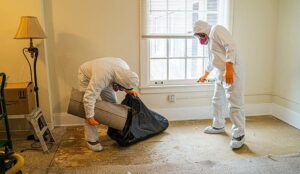
Rental property cleaning services help landlords and property managers prepare a unit for the next tenant. The time between tenants is brief, and many tasks must be done quickly. Walls need cleaning, floors need polishing, and every corner needs a look. A clean unit is easier to photograph, helps attract renters, and gives new tenants a positive first impression. This article answers common questions about turnover cleaning, party cleanup, and how to keep a property in good condition.
What Is Included in a Move-Out Clean?
A move-out clean goes beyond a quick sweep. Cleaners begin at the top of each room and work down so dust never falls on a surface that is already finished. That means cleaning ceiling corners, light fixtures, vents, and baseboards.
In the kitchen, cleaners scrub the stove, wipe the inside of the oven, empty the refrigerator, and clean cabinet fronts. In the bathroom, they remove soap scum, disinfect the toilet, and clean the tub, sink, and mirror. Closets, shelves, and drawers are wiped clean. Floors are vacuumed and mopped.

Most landlords also ask cleaners to check the inside of windows and the tracks around them because tenants often forget those areas.
Who Is Responsible for Cleaning a Rental Before Inspection?
In many leases, tenants must return the unit in the same condition it was in at move-in, except for normal wear and tear. That usually means tenants should clean before giving back the keys.
In practice, many tenants run out of time or energy during a move. Some landlords include cleaning requirements in the lease, while others hire a crew and may deduct eligible cleaning costs from the security deposit if the unit is left dirty.
The best way to avoid arguments is to read the lease. Take photos at move-in and move-out, and keep every receipt. If both sides know what is expected, the final inspection goes more smoothly.
Can Professional Cleaning Help Get a Security Deposit Back?
Yes, professional cleaning can help in some cases. Landlords often deduct money for dirty appliances, greasy cabinets, dirty carpets, and grime in bathrooms. A professional clean tackles these items directly, reducing the reasons a landlord might withhold part of the deposit.
Many tenants also ask for a receipt from the cleaning company. A receipt shows that the unit was cleaned and can support your case if a disagreement arises later.
Remember that cleaning does not fix damage. Holes in walls, broken blinds, or burnt countertops are repair problems. Cleaning covers dirt, dust, odors, and buildup, which are common sources of deposit disputes.
What Needs Cleaning After a Party or Event?
An event cleanup service handles the mess guests leave behind, from food spills to scattered decorations. Birthday parties, weddings, office celebrations, and community gatherings all create the same basic problem: a lot of work in a short time, often late at night or the next morning.
A typical crew collects trash and recycling, clears tables, wipes counters, and sorts leftover supplies. They also clean floors and remove spilled drinks and food residue from surfaces.

Hiring help lets hosts enjoy the event and leave the cleanup to someone else. For rental units and venues, it can also help protect the security deposit because a messy space after a party is a common reason for deductions.
Which Areas Get Attention After a Large Gathering?
Cleaners usually start with the areas that see the most traffic. Entryways collect dirt and spills, so floors are cleaned first. Kitchens and food service areas come next because leftover food attracts pests and creates odors quickly.
Restrooms are another priority. Heavy use means they need thorough cleaning and disinfection, along with restocking essential supplies. Outdoor spaces such as patios and parking areas also need sweeping to remove trash, cups, and cigarette butts.
Finally, crews walk through the space one more time to find forgotten items and missed spots. A final walkthrough catches problems before the host or landlord arrives, so nothing surprises anyone later.
When Should Landlords Schedule a Turnover Clean?
The best time to clean a unit is right after the tenant moves out and before any repair work starts. Cleaning first helps reveal the condition of the unit, making it easier to spot damage that dirt may have hidden.
If painters or contractors need to work in the unit, a second light clean afterward removes dust and debris. Many property managers schedule a thorough clean once repairs are complete, followed by a quick touch-up right before showings.
Planning ahead helps save time. Booking a cleaner as soon as you receive a move-out notice means the unit can be ready sooner and sit empty for fewer days. Every vacant day can mean lost rental income, so an efficient schedule can pay for itself.
Summary
A well-timed clean helps protect your security deposit, speeds up rental preparation, and makes a strong first impression on new tenants. Move-out cleaning covers kitchens, bathrooms, floors, and the small details people tend to miss. Event cleanup takes care of the mess after parties and gatherings so hosts can relax. Reading the lease, taking photos, and scheduling early are practical ways to avoid stress and unexpected charges.
Whether you manage rental units or host a single large gathering, a reliable local team makes the job easier. The Dust Busters is one example of a Pittsburgh company that supports homes, offices, and businesses with cleaning services and flexible scheduling. Whichever provider you choose, look for transparent pricing, good reviews, and a team that understands rental property cleaning services and the demands of busy turnover days.