Every office depends on people who keep information organized and work moving, and the skills for clerical roles decide who gets hired and who gets passed over. Many people assume this job is only filing and answering phones, yet modern workplaces expect much more. Employers want staff who can manage digital records, write clear messages, and stay calm when deadlines stack up. When you build strong skills for clerical work, you gain steady pay, a clear path upward, and a career that does not demand an expensive degree. Job seekers who study what hiring managers actually want tend to move faster through interviews. Even people who dream about elite jobs in administration usually begin at the clerical level and learn the business from the ground up. Every department needs someone who knows where things are, who needs what, and when it is due. That person becomes the quiet backbone of the company. The first step is accepting that this field rewards reliability, accuracy, and a real willingness to learn new tools every single year.
Typing, Data Entry, and Computer Comfort
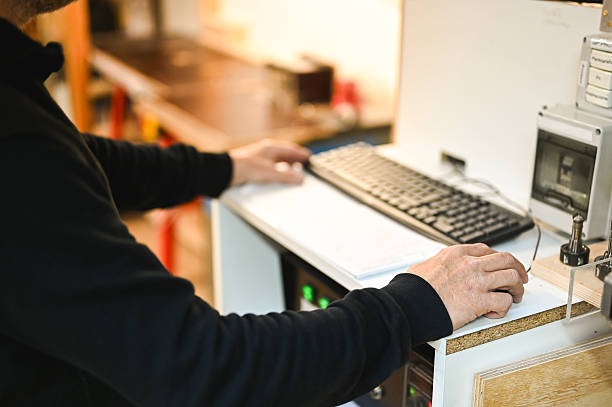
Speed and accuracy on a keyboard remain the foundation of the skills for clerical work. A person who types quickly but makes constant errors creates more work for everyone, so employers value precision above raw speed. Data entry tasks involve moving figures, names, and dates into spreadsheets or databases without mistakes. You should feel comfortable with word processors, email platforms, and spreadsheet software, because these tools fill most of the day. Learning shortcuts, formulas, and basic formatting saves hours each week. Many applicants practice with free typing tests so they can show real numbers during interviews. Candidates searching for elite jobs in corporate settings often find that a clean, error free work sample opens more doors than a long résumé. If you want to stand out, take an online course in spreadsheets and keep practicing until the software feels natural. Employers notice when someone learns tools quickly without being reminded, and they remember that person when promotions come around. Strong skills for clerical positions always begin with this technical base.
Communication That Builds Trust
Clerical staff talk to customers, vendors, managers, and coworkers all day, so communication sits near the top of any list of skills for clerical hiring. Writing a polite and clear email takes practice. So does speaking on the phone with a tone that sounds helpful even when the caller is frustrated. Listening matters just as much as speaking, because misunderstood instructions lead to wasted effort and repeated work. Good communicators also know when to ask a question instead of guessing. Over time, this habit builds trust with supervisors who then hand over bigger responsibilities. Many professionals who land elite jobs began as front desk employees who treated every conversation as a chance to show professionalism. Workers aiming for elite jobs in law firms, hospitals, or large corporations learn that a calm voice and careful wording can solve problems before they grow. Practice by rereading your messages before sending them, and ask a trusted friend to review your tone. Small improvements in how you speak and write add up quickly and make you easier to work with.
Organization and Time Management
A clerical worker usually juggles several tasks at once, which makes organization one of the most practical skills for clerical success. Files need to be named clearly, calendars need to stay current, and urgent requests must be sorted from routine ones. Start each day by listing priorities and checking deadlines. Keep your desk and your digital folders tidy so documents can be found in seconds. People who manage time well rarely feel buried, and managers notice that steady pace. Tools like shared calendars, reminders, and task apps help, but habits matter more than software. Review your list at midday and adjust when something unexpected arrives. Those who aim for elite jobs in administration often point to their organizing habits as the reason they earned trust early. When your work is easy to follow, coworkers can step in during vacations or busy periods without confusion, and that reliability is exactly what employers want to see. Over a long career, these routines protect you from stress and keep your reputation strong.
Teamwork and Office Culture
Offices are social places, and clerical employees often help set the mood. Teamwork is one of the quieter skills for clerical workers, yet it shapes how smoothly a department runs. Think about seasonal events. In many companies the clerical team plans the Halloween party, collects ideas, and keeps everyone included. A logistics office might see someone arrive in a trucker costume, while a coworker picks a truck driver costume with a flannel shirt and work boots. Some people search for a trucker halloween costume online, and others look for a truck driver halloween costume that feels funny but still office safe. Add a pair of briley king hats from a western store and the whole look comes together. Organizing a contest like this teaches budgeting, scheduling, and gentle leadership. It also shows managers that you care about morale. People chasing elite jobs in human resources or operations often discover that culture building is a hidden strength. Respect, humor, and patience help teams stay close, even during stressful seasons.

Growing Toward Better Opportunities
Strong clerical workers do not stay in one place forever. Once you master the basics, you can move into executive assistant, office manager, or records coordinator roles. Keep learning through short courses, and ask for feedback every few months. Add certifications in bookkeeping or software when you can. The best skills for clerical careers grow with you, and each new ability raises your value. Be clear about your goals and share them with a supervisor. Search listings under phrases like elite jobs careers to see what employers expect at the next level, then close any gaps one by one. Networking helps too, so join local groups and professional pages online. Many people discover elite jobs simply because someone remembered their reliable work. Patience matters, because promotions come to those who stay consistent. Celebrate small wins, track your accomplishments in a simple document, and bring that record to review meetings. Doing so makes your case far stronger than vague claims.
Conclusion
Building skills for clerical work takes effort, but every habit you practice pays off. Typing accuracy, communication, organization, teamwork, and steady learning form a package that employers trust. If you want help finding the right role, Elite HR Careers supports candidates who are ready to grow and employers who want dependable staff. Explore the possibilities, keep improving, and aim for elite jobs that match your strengths.
FAQ
What are the top skills for clerical positions?
Accurate typing, data entry, clear communication, organization, and basic computer knowledge are the main strengths employers look for.
Do I need a degree to work in a clerical role?
Most entry level roles ask for a high school diploma, though extra training in office software can help you stand out.
Can a beginner reach elite jobs in administration?
Yes. Many professionals started with simple office tasks and moved up by learning new tools, asking for feedback, and staying dependable.