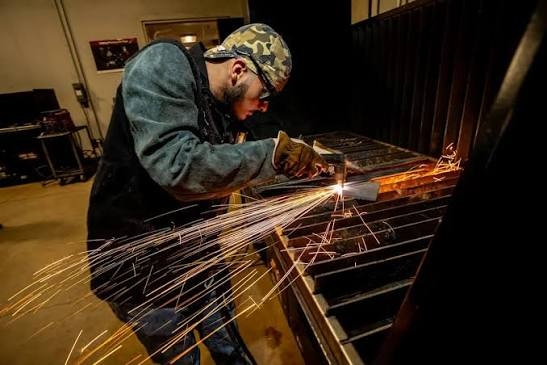
Building a Welding Career Through Practical, Multi-Process Training
Starting a career in welding requires more than learning how to operate a welding machine. Employers in fabrication, manufacturing, construction, and repair environments need workers who understand different welding processes, equipment handling, material preparation, and workplace safety. Developing these skills through structured, hands-on training gives aspiring welders a stronger foundation for entering the skilled trades.
For individuals interested in learning multiple welding techniques, combination welding training provides an opportunity to develop practical experience across several processes. MT Training Center offers a dedicated Combination Welding Training Program in DeSoto, Texas, designed to help students build technical abilities and prepare for entry-level welding opportunities.
Why Learning Multiple Welding Processes Matters
Welding projects differ depending on the materials, equipment, joint requirements, and working environment. A fabrication shop, for example, may require MIG welding for certain production tasks, while another project may involve TIG or Stick welding.
Understanding multiple processes gives aspiring welders broader technical exposure. Instead of relying on one technique, students can develop familiarity with different equipment and welding applications.
- MIG Welding: Commonly used in fabrication and production environments where speed and consistency matter.
- TIG Welding: Develops precision and control for applications requiring careful weld execution.
- Stick Welding: Provides experience with a widely used manual welding process.
- Flux-Core Welding: Introduces another approach to arc welding used in fabrication and industrial applications.
- Pipe Welding: Builds familiarity with pipe joints, electrode selection, equipment setup, and different welding positions.
Learning these processes together helps students establish a more versatile technical foundation.
Practical Training Builds Workplace Confidence
Operating welding equipment requires coordination, attention to detail, and an understanding of safety procedures. These abilities develop through repeated practice rather than theoretical instruction alone.
Consider a student learning to prepare metal components for a welding project. The process involves selecting appropriate equipment, understanding the joint design, preparing the material, and maintaining control during welding. Each stage contributes to the quality and reliability of the finished work.
A structured training environment allows students to become familiar with:
- Welding machines, cutting torches, and related equipment.
- Equipment setup and operating controls.
- Material preparation and cutting procedures.
- Welding positions and joint designs.
- Shop safety and responsible equipment handling.
This practical foundation is particularly valuable for individuals entering a technical trade without previous industry experience.
Blueprint Reading and Technical Mathematics Are Equally Important
Welding involves more than joining metal components. Workers must understand project specifications, measurements, dimensions, and technical drawings before beginning a task.
Blueprint reading helps students interpret drawings, identify dimensions, understand line types, and visualize component features. These abilities support accurate fabrication and reduce misunderstandings during project execution.
Technical mathematics also plays an important role. Measurements, fractions, decimals, geometric calculations, and basic algebra are useful when preparing materials and interpreting project requirements.
Combining these subjects with welding practice helps students understand both the technical and practical sides of the trade.
Choosing Structured Welding Education in Texas
Selecting a training program requires careful consideration of its curriculum, practical learning opportunities, duration, and overall educational structure.
MT Training Center’s Combination Welding program in DeSoto, Texas, provides 1,210 clock hours of instruction. The program is structured around a 35-week daytime option and a 49-week evening option, with a listed student-to-instructor ratio of 15:1.
The curriculum includes:
- MIG, TIG, Stick, and Flux-Core welding.
- Introduction to pipe welding.
- Cutting processes and shop safety.
- Blueprint reading and technical mathematics.
- Welding pre-employment skills.
Students interested in exploring the full curriculum can review the Combination Welding Program at MT Training Center to understand its training structure and educational requirements.
Preparing for Entry-Level Welding Opportunities
Completing welding training is an important step toward pursuing employment, but technical ability must be supported by professional preparation.
Students benefit from understanding workplace expectations, maintaining appropriate safety practices, communicating effectively, and presenting their skills to potential employers.
Career opportunities to explore after completing combination welding training include:
- Combination welder.
- Welder.
- Cutter.
- Entry-level welding technician.
- Fabrication shop assistant.
- Pipe welding trainee.
Actual employment opportunities depend on individual skills, employer requirements, experience, and applicable qualifications. Developing familiarity with multiple welding processes can provide a useful foundation when exploring different entry-level positions.
Professional Preparation Beyond Technical Skills
Employers evaluate more than a candidate’s ability to operate welding equipment. Workplace discipline, professional communication, reliability, and safety awareness also contribute to successful employment.
That is why employment preparation is a valuable part of technical education. Resume development, cover letter writing, interview preparation, and understanding appropriate workplace attire help students approach the job-search process more confidently.
A combination of technical instruction and employment preparation gives aspiring welders a clearer understanding of what entering the workforce involves.
Take the Next Step Toward a Welding Career
Building a career in the skilled trades starts with developing practical abilities and understanding the demands of the profession. Learning multiple welding processes, interpreting blueprints, following safety procedures, and working with technical equipment can help students establish a stronger foundation for their career goals.
For individuals in the Dallas–Fort Worth area interested in pursuing this path, MT Training Center provides a structured opportunity to develop welding skills through its DeSoto-based program.
Explore the MT Training Center Combination Welding Program to review the curriculum, program duration, admission requirements, and available enrollment information before taking your next step toward a future in welding.