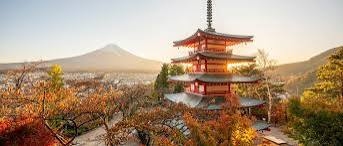
Japan’s historic castles and ancient architecture provide an opportunity to explore the country’s past through impressive structures, traditional craftsmanship, historic neighborhoods, and cultural landmarks. Castles were once important centers of political power and defense, while temples, shrines, traditional homes, and preserved streets reveal different aspects of Japanese history and architectural development.
Travelers planning a ทัวร์ญี่ปุ่น can discover historic architecture throughout the country. From famous castles and wooden temple structures to traditional townhouses and preserved districts, these attractions offer a deeper understanding of Japan’s heritage and provide excellent opportunities for sightseeing and photography.
Himeji Castle: A Famous Architectural Landmark
Himeji Castle is one of Japan’s most celebrated castles, admired for its impressive design, white exterior, defensive structures, and historic significance. Its distinctive appearance has earned it a prominent place among the country’s architectural landmarks.
Visitors can explore castle grounds, view the surrounding landscape, and learn about the structure’s history. The complex demonstrates how Japanese castles combined architectural beauty with practical defensive features. Exploring the grounds provides an opportunity to appreciate the scale and craftsmanship of historic construction.
Osaka Castle and Its Surroundings
Osaka Castle is an important landmark associated with the city’s history. The castle stands within extensive grounds featuring walking paths, open spaces, and seasonal scenery.
Visitors can explore the castle museum and surrounding park while learning about historical events connected to the site. The combination of architecture, landscaped grounds, and city views makes it a popular destination for sightseeing and photography.
Matsumoto Castle’s Distinctive Design
Matsumoto Castle is another notable historic landmark, recognized for its distinctive dark exterior and traditional castle design. Its surroundings and architectural details create an attractive setting for visitors interested in Japanese history.
The castle demonstrates the design characteristics of historic fortifications and offers opportunities to explore different perspectives of the structure. Visitors can enjoy the surrounding area and discover nearby cultural attractions.
Kyoto’s Historic Wooden Architecture
Kyoto is known for traditional architecture, including temples, shrines, wooden buildings, historic streets, and traditional residences. The city offers many locations where visitors can appreciate construction techniques and architectural styles developed over centuries.
Historic districts feature wooden facades, narrow streets, traditional shopfronts, and preserved buildings. Walking through these neighborhoods allows travelers to discover architectural details and enjoy the atmosphere of the city’s cultural heritage.
Traditional Japanese Houses
Traditional Japanese houses often feature wooden construction, sliding doors, tatami rooms, carefully arranged spaces, and designs that connect indoor environments with gardens or outdoor areas.
Visitors may encounter traditional homes in historic villages, museums, preserved districts, and cultural attractions. Some locations allow visitors to explore interiors and learn how houses were designed for different seasons and everyday activities.
Temple and Shrine Architecture
Temples and shrines are among Japan’s most recognizable architectural attractions. Their structures may include gates, halls, pagodas, wooden carvings, roofs, and decorative features that reflect religious traditions and regional styles.
Visitors can explore architectural details, appreciate the surrounding gardens, and learn about the cultural significance of each site. Respectful behavior and following photography rules are important when visiting religious locations.
Preserved Historic Districts
Historic districts provide opportunities to discover traditional streets, commercial buildings, residences, and local architecture. Some areas preserve the appearance of historic towns, allowing visitors to explore shops, restaurants, museums, and cultural attractions.
These districts are often best experienced on foot. Travelers can enjoy architecture, take photographs, and discover local products while exploring the surrounding streets.
Understanding Architectural History
Architecture can reveal information about climate, materials, lifestyles, social organization, and historical influences. Castle structures reflect defense and political authority, while traditional homes demonstrate practical design and regional adaptation.
Visitors can learn more by reading museum displays, joining guided tours, and observing details such as roof construction, wooden joinery, entrances, and interior layouts.
Practical Tips for Historic Sightseeing
Historic attractions may involve stairs, uneven pathways, restricted areas, or shoe-removal requirements. Comfortable footwear and suitable clothing help make visits more enjoyable.
Travelers should check opening hours, entrance arrangements, and photography rules. Grouping nearby attractions together can reduce travel time and allow more opportunities to explore each location.
Conclusion
Japan’s historic castles and ancient architecture offer memorable opportunities to explore cultural heritage and craftsmanship. Himeji Castle, Osaka Castle, Matsumoto Castle, Kyoto’s historic streets, traditional homes, and religious landmarks reveal different aspects of Japan’s past. Including architectural attractions in a travel itinerary creates a rewarding combination of history, culture, and scenic sightseeing.