Introduction
The automotive industry is moving toward lighter, stronger, and more efficient components to meet modern performance and emission standards. Manufacturers are constantly searching for production methods that combine precision, durability, and cost efficiency. One process that stands out in meeting these demands is Aluminium Die Casting. This advanced manufacturing technique has become a core solution for producing high quality automotive components at scale.
From engine parts to transmission housings and structural brackets, Aluminium Die Casting supports mass production without compromising strength or dimensional accuracy. As vehicle manufacturers focus on electric mobility and fuel efficiency, the importance of lightweight metal components continues to grow.
Understanding the Process in Automotive Production
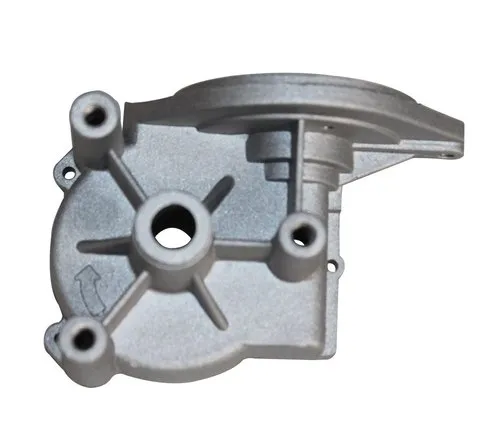
Aluminium Die Casting is a manufacturing method in which molten aluminium is injected into a hardened steel mold under high pressure. Once the metal solidifies, it forms a precisely shaped component with excellent surface finish and structural strength. This method ensures consistent production results even in large volumes.
In the automotive sector, precision is not optional. Every component must meet strict dimensional tolerances to ensure proper assembly and safe vehicle performance. Aluminium Die Casting allows manufacturers to achieve uniform thickness, intricate shapes, and minimal machining requirements. This reduces production time and lowers overall manufacturing costs.
Pressure Die Casting is widely used within this process to ensure that molten aluminium fills every cavity of the mold evenly. The controlled injection under pressure eliminates internal voids and increases density. As a result, automotive parts gain superior mechanical strength and reliability.
Lightweight Advantage and Fuel Efficiency
Vehicle weight plays a critical role in fuel efficiency and electric vehicle battery performance. Lighter vehicles require less energy to operate, resulting in improved mileage and reduced emissions. Aluminium Die Casting contributes significantly to weight reduction compared to traditional iron or steel components.
Aluminium offers an excellent strength to weight ratio, making it suitable for engine blocks, gearbox housings, motor casings, and suspension parts. By replacing heavier materials with Aluminium Die Casting components, manufacturers can reduce overall vehicle mass while maintaining structural integrity.
Pressure Die Casting further enhances this benefit by producing thin wall sections without sacrificing strength. This capability supports advanced automotive designs that demand compact and lightweight assemblies.
Strength and Durability in Automotive Components
Automotive components must withstand extreme conditions including heat, vibration, and mechanical stress. Aluminium Die Casting provides the durability required for such demanding environments. The process ensures uniform grain structure and enhanced tensile strength.
Through Pressure Die Casting, manufacturers achieve high density parts that resist cracking and deformation. This is especially important for powertrain components that experience continuous thermal cycles and heavy loads. The consistency of Aluminium Die Casting ensures long term performance and reduced maintenance issues.
Auto Die Cast(India) has developed strong expertise in producing durable automotive components that meet industry standards. With advanced casting technology and strict quality checks, the company supports manufacturers in achieving dependable part performance.
Precision and Design Flexibility
Modern vehicles require complex component designs that integrate multiple functions into a single part. Aluminium Die Casting allows engineers to create intricate geometries that would be difficult to achieve using other production methods. This reduces the need for assembling multiple pieces, leading to improved efficiency and reduced manufacturing steps.
Pressure Die Casting supports high dimensional accuracy and repeatability. Automotive manufacturers benefit from tight tolerances that simplify assembly processes. Components produced through Aluminium Die Casting often require minimal secondary machining, which saves time and operational cost.
Design flexibility also helps in developing electric vehicle parts such as battery housings and motor enclosures. Lightweight yet strong aluminium castings support improved thermal management and structural stability.
Cost Efficiency in Large Scale Production
The automotive industry depends on high volume production. Aluminium Die Casting is ideal for large scale manufacturing because it delivers consistent quality across thousands of units. Once the die is prepared, production cycles become fast and economical.
Although initial tooling investment can be significant, long term benefits outweigh the cost. Pressure Die Casting ensures reduced scrap rates, lower material wastage, and faster production cycles. This efficiency directly impacts overall profitability for automotive manufacturers.
Auto Die Cast(India) integrates advanced automation and quality control systems to ensure smooth production flow. The focus remains on maintaining cost effectiveness while delivering precision engineered components.
Sustainability and Environmental Benefits
Sustainability is a major priority in automotive manufacturing. Aluminium Die Casting supports environmentally responsible production in several ways. Aluminium is highly recyclable without losing its mechanical properties. Recycled aluminium can be reused in the casting process, reducing energy consumption and environmental impact.
Pressure Die Casting minimizes material waste because molds are designed for optimal metal flow. The reduced need for extensive machining also lowers energy usage. These factors make Aluminium Die Casting an eco friendly choice for modern vehicle manufacturing.
As governments and regulatory bodies enforce stricter emission standards, lightweight aluminium components help manufacturers meet sustainability targets. This makes Aluminium Die Casting not only a technical solution but also a strategic advantage.
Role in Electric Vehicle Manufacturing
The growth of electric vehicles has increased demand for lightweight and thermally efficient components. Aluminium Die Casting plays a crucial role in producing motor housings, inverter cases, and structural battery supports. These components require high strength combined with efficient heat dissipation.
Pressure Die Casting enables the creation of thin yet strong structures that enhance energy efficiency in electric vehicles. Lightweight aluminium parts reduce overall load on the battery, extending driving range.
The ability to integrate multiple design elements into a single casting further supports compact electric vehicle architecture. Aluminium Die Casting continues to shape the future of electric mobility by providing reliable and high performance solutions.
Conclusion
The automotive industry depends on advanced manufacturing techniques that combine precision, strength, and efficiency. Aluminium Die Casting meets these requirements by delivering lightweight, durable, and cost effective components for both conventional and electric vehicles. With the support of Pressure Die Casting technology, manufacturers achieve consistent quality and large scale production efficiency.
As the demand for high performance vehicles continues to grow, Aluminium Die Casting remains an essential process in shaping the future of automotive manufacturing. Partner with an experienced manufacturer to ensure superior casting solutions that drive innovation and long term reliability for your automotive projects.