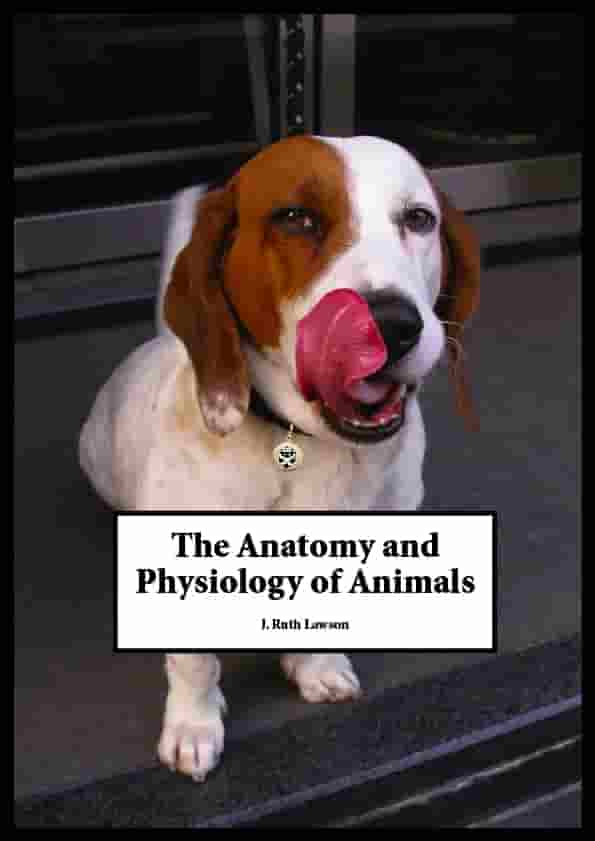
Animals are complex living organisms whose survival depends on highly organized internal systems. The study of animal anatomy and physiology helps us understand how animals are structured and how their bodies function. While anatomy focuses on the physical structures of the body, physiology explains how those structures work together to support life.
The concepts presented in “Anatomy and Physiology of Animals” by Ruth Lawson from Otago Polytechnic provide a clear and structured approach to learning how different animal systems operate. This knowledge is essential for students of biology, veterinary science, agriculture, and anyone interested in understanding the biological processes that allow animals to move, grow, reproduce, and adapt to their environments.
By studying anatomy and physiology, we gain insight into how animals maintain balance within their bodies, respond to external stimuli, and perform the functions necessary for survival.
What is Animal Anatomy?
Animal anatomy refers to the study of the structure of animals. It examines how body parts are organized and how different tissues, organs, and systems are arranged within the body.
Anatomy can be studied in several ways.
Gross Anatomy
Gross anatomy focuses on body structures that can be observed with the naked eye. Examples include organs such as the heart, lungs, liver, and muscles.
Microscopic Anatomy
Microscopic anatomy studies structures that require a microscope, such as cells and tissues. Histology, the study of tissues, falls under this category.
Comparative Anatomy
Comparative anatomy compares the structures of different animal species to understand similarities, differences, and evolutionary relationships.
Through anatomical study, scientists and students can better understand how body structures support the functions needed for survival.
What is Animal Physiology?
While anatomy studies structure, animal physiology focuses on function. It explains how organs and systems work together to maintain life.
Physiology explores questions such as:
• How does the heart pump blood throughout the body?
• How do lungs exchange oxygen and carbon dioxide?
• How do muscles contract to produce movement?
• How do hormones regulate body processes?
Physiology also studies homeostasis, the body’s ability to maintain a stable internal environment despite external changes.
For example, mammals regulate body temperature through sweating or shivering. These responses help maintain a stable internal condition necessary for survival.
Levels of Organization in Animal Bodies
Understanding animal anatomy and physiology begins with recognizing the levels of organization within living organisms.
Cells
Cells are the basic units of life. Every animal body is made up of billions of cells that perform specialized functions. Examples include nerve cells, muscle cells, and blood cells.
Tissues
Groups of similar cells working together form tissues. The four main types of animal tissues include:
Epithelial tissue
Connective tissue
Muscle tissue
Nervous tissue
Each tissue type has a specific role in maintaining body functions.
Organs
Organs are structures made of multiple tissues that perform a specific function. For example, the heart contains muscle tissue, connective tissue, and nervous tissue, all working together to pump blood.
Organ Systems
Organs work together in systems to carry out complex functions. These organ systems maintain the overall health and survival of the animal.
Major Organ Systems in Animals
The animal body contains several organ systems that interact closely with one another.
Circulatory System
The circulatory system transports oxygen, nutrients, hormones, and waste products throughout the body. The heart pumps blood through blood vessels, delivering essential substances to cells.
This system also helps regulate body temperature and supports immune functions.
Respiratory System
The respiratory system allows animals to exchange gases with the environment. Oxygen enters the body through lungs or gills and is transported to cells, while carbon dioxide is removed as waste.
Different animals have different respiratory adaptations depending on their habitats.
Digestive System
The digestive system breaks down food into nutrients that the body can absorb and use for energy, growth, and repair.
This system includes organs such as the mouth, stomach, intestines, liver, and pancreas.
Nervous System
The nervous system controls and coordinates body activities. It receives information from the environment, processes signals, and sends instructions to muscles and glands.
The brain, spinal cord, and nerves form the core of this system.
Musculoskeletal System
The musculoskeletal system provides structure, protection, and movement. Bones form the skeletal framework, while muscles attach to bones and create movement through contraction.
Reproductive System
The reproductive system allows animals to produce offspring and ensure the continuation of their species. Structures and reproductive strategies vary widely among animals.
Importance of Studying Animal Anatomy and Physiology
Studying animal anatomy and physiology provides valuable knowledge across many fields.
Veterinary Science
Veterinarians rely on anatomical and physiological knowledge to diagnose diseases, perform surgeries, and treat animals effectively.
Animal Husbandry and Agriculture
Farmers and animal caretakers benefit from understanding animal biology, as it helps improve nutrition, breeding, and overall animal health.
Wildlife Conservation
Understanding how animals function helps conservationists protect endangered species and manage wildlife populations responsibly.
Education and Research
Students studying biology or life sciences build a strong scientific foundation by learning how animal bodies work.
Educational resources, including structured learning platforms such as Netbookflix, can also help learners explore scientific topics through accessible study materials and digital learning tools.
Key Concepts in Animal Physiology
Several fundamental principles shape the study of physiology.
Homeostasis
Homeostasis refers to the body’s ability to maintain stable internal conditions such as temperature, pH balance, and fluid levels.
Metabolism
Metabolism includes all chemical reactions that occur within the body. These reactions convert food into energy and build the molecules necessary for life.
Adaptation
Animals evolve structural and physiological adaptations that help them survive in specific environments.
For example, desert animals often have efficient water conservation mechanisms, while aquatic animals have specialized respiratory systems for underwater breathing.
Practical Applications of Animal Anatomy and Physiology
Understanding how animals function has many real-world applications.
Veterinary professionals use anatomical knowledge to perform surgeries safely.
Animal nutritionists develop diets that match the physiological needs of different species.
Researchers study physiological responses to disease in order to develop treatments and improve animal welfare.
Wildlife experts use physiological data to understand migration patterns, reproduction cycles, and survival strategies.
These practical applications highlight how important this field is for science, medicine, and environmental protection.
Frequently Asked Questions (FAQs)
1. What is the difference between anatomy and physiology?
Anatomy studies the structure of the animal body, while physiology focuses on how those structures function and interact to maintain life.
2. Why is anatomy and physiology important in veterinary science?
It helps veterinarians understand how animal bodies work, enabling them to diagnose diseases, perform treatments, and maintain animal health.
3. What are the main levels of organization in animals?
The main levels are cells, tissues, organs, and organ systems. Each level builds upon the previous one to support complex body functions.
4. What is homeostasis in animal physiology?
Homeostasis is the ability of the body to maintain stable internal conditions such as temperature, pH, and fluid balance despite environmental changes.
5. How do animal organ systems work together?
Organ systems interact closely. For example, the respiratory system supplies oxygen to the circulatory system, which transports it to cells throughout the body.
6. What is comparative anatomy?
Comparative anatomy studies similarities and differences in the structures of different animal species to understand evolutionary relationships.
7. Why do animals need a circulatory system?
The circulatory system transports oxygen, nutrients, hormones, and waste products, ensuring that all cells receive the resources they need to function.
8. How does the nervous system control body functions?
The nervous system sends electrical signals between the brain, spinal cord, and body parts, allowing animals to respond quickly to internal and external stimuli.
9. What role does metabolism play in physiology?
Metabolism includes chemical reactions that convert nutrients into energy and support growth, repair, and normal body functions.
10. How does studying animal physiology help wildlife conservation?
By understanding how animals respond to environmental changes, scientists can design conservation strategies that support healthy populations.
Conclusion
The study of animal anatomy and physiology provides a deeper understanding of how animals are structured and how their bodies function. From cells and tissues to complex organ systems, every component plays a vital role in sustaining life.
The insights presented in Anatomy and Physiology of Animals by Ruth Lawson offer an accessible foundation for learning about these biological processes. By exploring how animals maintain balance, respond to stimuli, and adapt to different environments, students and researchers gain valuable knowledge that supports veterinary medicine, agriculture, conservation, and scientific discovery.
Understanding the internal workings of animals not only expands scientific knowledge but also strengthens our ability to care for and protect the diverse life forms that share our planet.