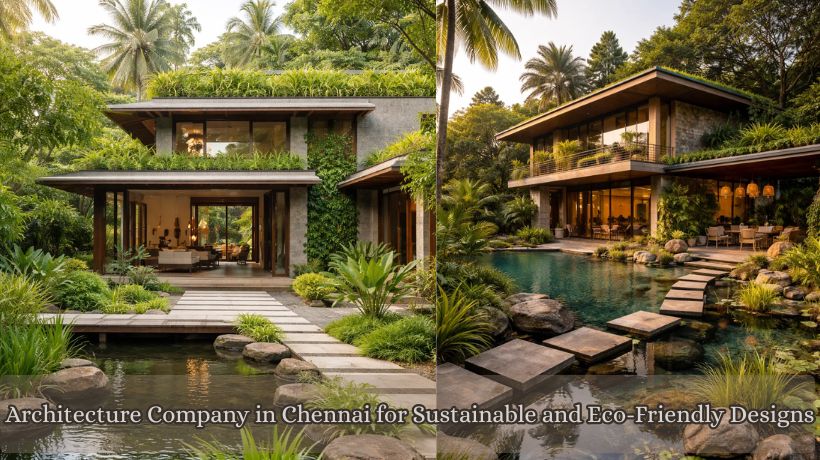
In today’s fast-growing urban environment, selecting the right Architecture Company in Chennai for sustainable and eco-friendly designs has become a major priority for homeowners, business owners, and property developers. With increasing awareness about climate change, energy consumption, and environmental responsibility, modern architecture is no longer focused only on aesthetics. It now emphasizes functionality, sustainability, and long-term environmental benefits.
Chennai is a city that continues to witness rapid growth in residential villas, apartments, commercial buildings, office spaces, and mixed-use developments. As construction activity increases, the demand for buildings that are energy-efficient, eco-conscious, and future-ready has also grown. Sustainable architecture plays an important role in reducing the carbon footprint of buildings while improving indoor comfort and lowering long-term maintenance costs.
Understanding Sustainable Design Principles
Sustainable architecture begins with intelligent planning and design. The core objective is to create structures that use fewer natural resources and generate minimal waste during both construction and occupancy. This includes energy conservation, efficient water use, natural ventilation, and environmentally friendly materials.
In Chennai’s tropical climate, proper building orientation is one of the most important design strategies. Architects plan the direction of the building in a way that reduces direct heat gain from the sun while maximizing airflow. This helps maintain cooler indoor temperatures naturally and reduces the need for constant air conditioning.
Cross ventilation is another major feature of eco-friendly design. By strategically placing windows, vents, courtyards, and open spaces, architects ensure that fresh air circulates effectively throughout the building. This improves indoor air quality and creates a healthier living environment.
Use of Eco-Friendly Building Materials
Material selection plays a significant role in sustainable architecture. Modern eco-friendly buildings prioritize materials that are durable, recyclable, locally sourced, and energy efficient.
Locally available materials such as natural stone, clay bricks, fly ash blocks, and reclaimed wood are widely used in sustainable projects. Using local materials reduces transportation costs and minimizes carbon emissions. It also supports regional suppliers and aligns the design with local climatic conditions.
Reflective roof coatings, insulated walls, and double-glazed windows are commonly used to reduce heat absorption. These materials help keep interiors cooler and improve the building’s thermal efficiency.
Low-VOC paints, eco-friendly adhesives, and sustainable flooring materials are also preferred, as they contribute to healthier indoor air quality and reduce harmful emissions.
Energy Efficiency and Natural Lighting
One of the major advantages of sustainable architecture is energy efficiency. Smart architectural planning helps reduce dependence on artificial lighting and cooling systems.
Large windows, skylights, glass facades, and open floor plans are used to maximize natural daylight. This reduces electricity consumption during daytime hours and creates bright, welcoming spaces.
In residential homes, living rooms, kitchens, and workspaces are often positioned to receive the maximum amount of daylight. In commercial buildings, well-lit interiors can significantly improve employee productivity and comfort.
Solar energy integration has also become a key trend in Chennai’s sustainable building sector. Rooftop solar panels can help reduce electricity bills while supporting renewable energy usage. With abundant sunlight throughout the year, solar-powered homes and offices are highly practical in the city.
Water Conservation Solutions
Water management is a critical part of sustainable architecture, especially in Chennai where water scarcity can be a concern.
Rainwater harvesting systems are now considered an essential feature in modern building design. These systems collect rainwater from rooftops and store it for reuse in landscaping, cleaning, and other non-potable applications.
Greywater recycling systems are also increasingly adopted in eco-friendly buildings. Water from sinks, showers, and washing areas can be treated and reused for gardening or flushing systems.
Low-flow taps, dual-flush toilets, and water-saving plumbing fixtures help reduce daily water consumption without compromising convenience.
Green Spaces and Landscape Integration
Sustainable architecture extends beyond the building itself and includes thoughtful landscape planning.
Rooftop gardens, vertical green walls, balconies with plants, and landscaped courtyards help reduce the heat island effect in urban spaces. These green areas improve air quality, provide insulation, and create a refreshing environment.
In homes, landscaped outdoor spaces enhance visual appeal and improve the overall living experience. In commercial buildings, green zones contribute to employee wellness and create a pleasant atmosphere for visitors.
Native plant species are often used in sustainable landscape design because they require less water and maintenance.
Smart Home and Green Technology Integration
Modern sustainable buildings increasingly incorporate smart technologies that improve energy management.
Automated lighting systems, motion sensors, smart thermostats, and energy monitoring tools help optimize electricity usage. These systems ensure that lights and appliances operate only when needed, reducing unnecessary energy consumption.
Smart irrigation systems are also used in landscaping to ensure efficient water use.
By combining architecture with technology, eco-friendly spaces become more intelligent, convenient, and cost-effective.
Long-Term Benefits of Sustainable Architecture
Choosing sustainable design offers numerous long-term advantages. Property owners benefit from lower utility bills, reduced maintenance costs, and increased resale value.
Eco-friendly buildings are often more attractive to modern buyers and tenants who prioritize sustainability and energy savings.
In addition to financial benefits, these buildings provide healthier indoor environments, better ventilation, and improved comfort for occupants.
At the execution stage, collaboration with Construction Companies in Chennai is essential to ensure that sustainable design concepts are implemented with quality workmanship and precision. When design excellence meets responsible construction practices, the result is a future-ready building that supports both environmental sustainability and long-term value.