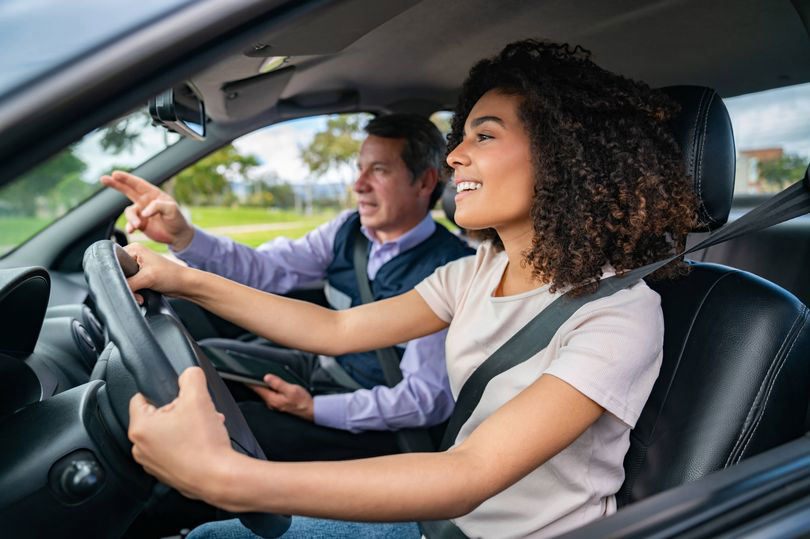
Learning to drive should feel empowering, not overwhelming. Yet for many learners, traditional manual cars add an extra layer of stress — clutch control, stalling at roundabouts, and juggling gears in traffic can quickly shake confidence.
That’s why automatic driving lessons in Stafford are becoming the preferred choice for modern learners. With fewer technical distractions, students can focus on what really matters: awareness, safety, and smart decision-making on the road.
If you’re considering driving lessons for automatic vehicles, this guide explains why automatic training is growing in popularity, who it’s best for, and how to choose the right instructor to pass quickly and drive confidently.
Why More Learners Are Choosing Automatic
Over the last decade, automatic cars have gone from niche to mainstream. With the rise of hybrids and electric vehicles — which are typically automatic — the shift is only accelerating.
But the benefits aren’t just about technology.
Key advantages of automatic lessons
-
No clutch or gear changes
-
Less stalling and fewer hill-start issues
-
Faster skill development
-
Reduced anxiety for beginners
-
More focus on road positioning and hazard awareness
For many learners, removing gear control makes driving feel intuitive from day one.
Instead of worrying about “Which gear am I in?”, you concentrate on “What’s happening around me?”
That’s exactly how safe drivers should think.
Is Automatic Right for You?
Automatic lessons aren’t just for nervous drivers. They’re a practical option for many types of learners.
You might benefit most if you:
-
Feel anxious about clutch control
-
Want to pass your test quickly
-
Are learning later in life
-
Have coordination challenges
-
Plan to drive electric or hybrid cars
-
Need a licence for work or commuting fast
Instructors across Stafford often report that automatic learners require fewer hours to reach test standard compared to manual learners. That means less stress and, often, lower overall costs.
What to Expect From Automatic Driving Lessons in Stafford
Professional automatic driving lessons Stafford typically follow the same structured syllabus as manual training — just without gear complexity.
A quality lesson plan usually includes:
Early sessions
-
Cockpit checks
-
Moving off and stopping
-
Basic steering control
-
Quiet road practice
Mid-stage learning
-
Roundabouts
-
Junctions
-
Traffic management
-
Manoeuvres (bay parking, parallel parking)
Test preparation
-
Mock tests
-
Independent driving
-
Sat-nav routes
-
Hazard perception skills
Because there’s less technical multitasking, learners often progress to busy roads sooner and gain real-world confidence faster.
The Confidence Factor Most People Overlook
Here’s something many learners don’t realise:
Confidence affects driving performance more than mechanical skill.
When someone feels tense or overwhelmed, they make slower decisions. That hesitation can lead to mistakes.
Automatic vehicles reduce cognitive load — meaning your brain isn’t juggling clutch timing and gears. You have more mental space for:
-
Observations
-
Anticipation
-
Judgement
-
Road safety
This is why many instructors say automatic learners develop “road sense” earlier.
It’s not easier driving — it’s smarter learning.
Choosing the Right Instructor in Stafford
Not all driving schools deliver the same quality.
If you want to pass efficiently and safely, look for:
1. DVSA-qualified instructors
Always choose an Approved Driving Instructor (ADI).
2. Local knowledge
An instructor familiar with Stafford test routes can prepare you better for common junctions, roundabouts, and tricky spots.
3. Structured lesson plans
Random lessons slow progress. Professional training should be step-by-step.
4. Calm teaching style
Patience matters more than anything when you’re learning.
5. Modern, dual-controlled automatic cars
Reliable vehicles improve safety and comfort.
Businesses looking for professional help can explore Eazy 2 Pass Driving School for expert solutions.
How Many Lessons Will You Need?
There’s no universal number, but industry averages suggest:
-
Manual learners: 40–50+ hours
-
Automatic learners: 25–35 hours (often less)
Of course, this depends on:
-
Practice between lessons
-
Confidence level
-
Instructor quality
-
Learning pace
But many students find automatic training saves both time and money overall.
Automatic vs Manual: The Honest Comparison
Let’s be realistic — each option has trade-offs.
Automatic Pros
-
Easier to learn
-
Faster progress
-
Less stress
-
Ideal for urban driving
Automatic Cons
-
Licence restricts you to automatic cars only
Manual Pros
-
Can drive both manual and automatic
-
Slightly more vehicle flexibility
Manual Cons
-
Longer learning time
-
More complex
-
Higher anxiety for beginners
Today, with the rapid growth of automatic and electric vehicles, the “restriction” is becoming less of an issue for many drivers.
Real-World Driving in Stafford: Why Automatic Helps
Stafford’s roads present typical learner challenges:
-
Busy roundabouts
-
Town centre traffic
-
Stop-start congestion
-
School runs
-
Dual carriageways
In these environments, constant gear changes can become tiring.
Automatic cars handle this smoothly, allowing learners to focus on reading traffic and staying safe.
Less fatigue = better decision-making.
Tips to Pass Your Automatic Test Faster
Here are proven strategies instructors recommend:
Practise regularly
Short, consistent sessions beat long gaps.
Watch hazards early
Scan mirrors and ahead constantly.
Stay calm during mistakes
Examiners care about safety, not perfection.
Take mock tests
Simulating real conditions reduces nerves.
Learn test routes
Familiarity builds confidence.
These habits matter far more than mechanical ability.
The Future of Driving is Automatic
With government targets pushing toward electric vehicles and more manufacturers phasing out manual options, automatic cars are becoming the norm.
Learning automatic today isn’t taking a shortcut — it’s aligning with the future of driving.
For many learners in Stafford, it’s simply the most practical choice.
Final Thoughts
Driving should give you freedom, not frustration.
If clutch control and gears feel intimidating, there’s no rule saying you must struggle through manual lessons. Driving lessons for automatic vehicles offer a simpler, calmer, and often quicker path to independence.
Choose a qualified instructor, commit to regular practice, and focus on building confidence. With the right approach, passing your test can feel surprisingly straightforward.
Sometimes the smartest route isn’t the hardest one — it’s the one that gets you safely to your goal.