The Buran Ghati Pass trek is a crown jewel of the Himalayas, offering an intoxicating mix of adventure, from dense pine forests and quaint villages to a thrilling, steep glacial descent. But one question defines the experience: Do you want to conquer a snow-covered pass or dance through valleys of wildflowers? The timing of your trek is everything, transforming the landscape and the challenge. This guide breaks down the two distinct trekking windows to help you choose the best time for your Buran Ghati adventure.
The Two Faces of Buran Ghati: Choosing Your Season
Buran Ghati has two primary trekking seasons, each offering a radically different experience. The monsoon (July-August) and winter (November-April) are not feasible due to heavy rain, landslides, and extreme snow.
Window 1: The Snow Odyssey (Mid-May to Late June)
This is the post-winter, early summer window, ideal for trekkers who dream of a true alpine snow expedition.
- The Landscape: The trail is a winter wonderland. The high-altitude sections, especially the pass itself at 15,000 ft, are blanketed in deep snow. The famous glacial descent from the pass is longer, steeper, and requires technical skills like self-arrest with an ice axe.
- The Challenge: This is the more technically demanding version of the trek. The snow makes the ascent to the pass slower and more strenuous. The river crossings are fuller with meltwater. It is essential to trek with an experienced guide or agency that provides technical gear (crampons, ice axe) and training.
- The Reward: Unparalleled adventure. The sheer thrill of climbing a snow wall to the pass and the exhilarating, controlled slide down the other side is unforgettable. The skies are often crystal clear, offering stunning views of snow-capped giants.
- Best For: Experienced trekkers seeking a technical challenge and the pristine beauty of the Himalayan snowscape.
Window 2: The Meadow Carnival (September to Mid-October)
This is the post-monsoon, autumn window, painting the mountains in a different palette.
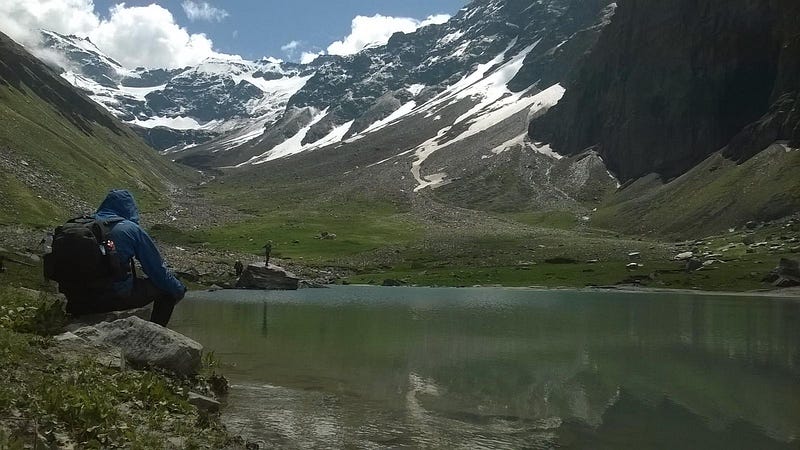
- The Landscape: As the snow recedes, it reveals a carpet of lush green meadows that slowly turn golden. The valleys, especially Dayara and Chandranahan, are bursting with wildflowers in early September. The trail is mostly dry, and the glacial descent is shorter, over a mix of snow and scree.
- The Challenge: The trek remains challenging due to the altitude and pass crossing, but it is less technically demanding than the snow season. The focus shifts from snowcraft to endurance. The weather is generally stable, with crisp air and incredible visibility.
- The Reward: A visual feast. The contrast of green meadows, blue skies, and white peaks is spectacular. It’s a photographer’s paradise. The easier conditions make it more accessible to fit trekkers with some prior high-altitude experience.
- Best For: Trekkers who prioritize scenic beauty, stable weather, and a slightly less technical (but still very adventurous) pass crossing.
Essential Tips for Your Chosen Time
- Booking: For both seasons, especially June and October, secure your bookings 3–4 months in advance. Permits for the Chandranahan lake area are required and limited.
- Gear: May-June demands a high-quality, waterproof 4-season sleeping bag (-10°C rating), heavy gloves, and proper snow gear provided by your operator. September-October requires warm layers but can manage with a good 3-season bag.
- Fitness: Regardless of season, supreme fitness is non-negotiable. The pass day is long (8–10 hours) and grueling. Focus on cardio and leg strength.
The Verdict: When Should You Go?
- Choose May-June if the words “glacial traverse,” “ice axe,” and “winter wonderland” set your heart racing. It’s a raw, adventurous climb.
- Choose September-October if you envision yourself walking through flower-filled pastures under a deep blue sky, with the adventure of the pass as the thrilling climax.
Whether you choose the silent, snowy majesty of early summer or the vibrant, lively hues of autumn, the Buran Ghati Trek promises an epic journey. Align your dates with the experience you seek, prepare diligently, and the mountains will reward you with memories for a lifetime.
FAQs: Buran Ghati Trek Best Time
1. Is late June or early September better for a balance of snow and meadows?
Late June often offers the best of both: significant snow on the pass for an exciting descent, while the lower valleys begin to green up. Early September guarantees meadows but the pass snow is minimal. For a true “balance,” target the last two weeks of June.
2. Can beginners do the Buran Ghati Trek in September?
While September is less technical, the trek remains challenging due to high altitude (15,000 ft pass), long days, and a steep descent. It is suitable for fit beginners who have done prior high-altitude treks (like Dayara Bugyal or Kedarkantha) and are undertaking it with a professional guide.
3. What are the risks of going in May?
Early May carries a higher risk of unpredictable weather, colder temperatures, and avalanche-prone slopes near the pass. The trail may also be less defined. It’s crucial to go with a highly experienced operator who can assess safe conditions.
4. Is October too cold for the Buran Ghati Trek?
Nights in October (especially mid-late) can be very cold, dipping below -5°C at high camps. However, daytime hiking is pleasant. You must be prepared with a good sleeping bag, insulated layers, and a warm jacket. The upside is incredible clarity and fewer crowds.
5. How do I book the Buran Ghati Trek and secure permits?
Booking is done through registered trekking agencies like Himalayan Daredevils. They handle the mandatory forest permits for the Sangla Valley and Chandranahan area, which have limited daily entries. DIY permits are complex; using an agency ensures a legal, smooth process.