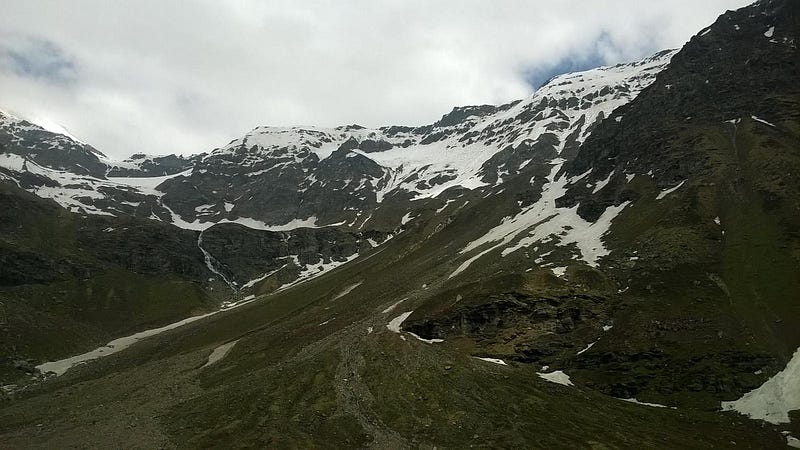
Tucked away in the pristine, less-trodden valleys of Himachal Pradesh, the Buran Ghati Trek is a symphony of thrilling adventure and untouched Himalayan beauty. This isn’t just a walk in the hills; it’s a classic expedition featuring a dramatic snow-wall descent from a 15,000 ft pass, ancient villages, and meadows that look straight out of a painting. Connecting the lush Sangla Valley with the arid grandeur of Kinnaur, Buran Ghati offers a transformative journey for the adventurous soul.
Why the Buran Ghati Trek is Unforgettable
The trek’s crown jewel is the crossing of the Buran Ghati Pass itself. The final ascent to the pass is challenging, but the reward is a breathtaking 360-degree panorama. However, the true adrenaline rush comes next: a thrilling, controlled glissade — a slide down a nearly vertical snow wall — using ropes and an ice axe, making for one of the most exhilarating experiences in Indian trekking.
Beyond the pass, the trail is a journey through contrasts — from dense pine and oak forests whispering ancient tales to the sprawling, flower-carpeted meadows of Dayara and Litham. You’ll walk alongside gushing streams, camp beside turquoise high-altitude lakes (Chandranahan Lake is a source of the Pabbar River), and experience the warm hospitality in the traditional wooden villages of Baran and Dhunda.
Best Time for the Buran Ghati Trek
Timing is crucial to experience this trek at its best and safest.
- May to June: This is the post-winter or spring-summer window. The snow is melting, and the meadows are blooming with vibrant alpine flowers. The famous snow wall at the pass is still substantial, making the glissade truly spectacular.
- September to Mid-October: The post-monsoon or autumn window offers crystal-clear skies, stable weather, and magnificent views. The snow wall may be smaller, but the landscapes are golden, and the chances of rainfall are minimal.
Avoid the monsoon (July-August) due to slippery trails and landslide risks, and the winter (Nov-April) when the region is buried under heavy snow and the pass is closed.
Trek Difficulty & Duration
The Buran Ghati Trek is rated as moderate to difficult. While the daily walks are manageable (5–7 hours), the pass crossing day is long (10–12 hours) and physically demanding. It requires good fitness, mental preparation for the steep snow descent, and prior high-altitude trekking experience is highly recommended.
The standard itinerary is 7–8 days, covering approximately 45–50 km from Janglik to the roadhead at Barua.
How to Book the Buran Ghati Trek
Booking this trek requires planning, as it involves remote terrain and permits.
- Choose a Reputable Operator: Due to the technical pass crossing, booking with an experienced trekking agency like Himalayan Daredevils is strongly advised. They provide expert guides, safety equipment (ropes, ice axes), camping logistics, meals, and handle permits.
- Permits: The trek starts in the Shimla district and crosses into Kinnaur, requiring an Inner Line Permit (ILP) for Indian nationals (arranged by your operator). Foreign nationals need a Protected Area Permit (PAP), for which certain restricted area clauses apply; a reliable agency is essential for smooth processing.
- Self-Organized Groups: Very experienced groups can undertake it independently but must arrange their own logistics, camping gear, food, and secure the necessary permits from Shimla or Reckong Peo.
Brief Itinerary Snapshot
- Day 1: Drive from Shimla to Janglik (9,200 ft) | Base village introduction.
- Day 2: Janglik to Dayara (11,075 ft) | Trek through forests to vast meadows.
- Day 3: Dayara to Litham (11,811 ft) | Stroll through the stunning Litham meadows.
- Day 4: Litham to Chandranahan Lake & back (13,900 ft) | Acclimatization hike to the sacred lake.
- Day 5: Litham to Dhunda (13,370 ft) | Approach camp for the pass.
- Day 6: Dhunda to Buran Ghati Pass (15,000 ft) to Barua (River Camp) | Summit the pass, experience the thrilling snow descent, and camp lower down.
- Day 7: Barua to Barua Khud (Roadhead) & drive to Shimla | Trek conclusion and return journey.
Conclusion
The Buran Ghati Trek is more than a checklist item; it’s a rite of passage for serious trekkers. It perfectly balances sublime natural beauty with a genuine sense of adventure. By choosing the right season, preparing well, and partnering with a trustworthy operator, you unlock an unforgettable Himalayan saga where every step — and every slide — becomes a lifelong memory.
Ready to take the slide? Your high-altitude adventure awaits.
FAQs: Buran Ghati Trek
1. Is prior trekking experience mandatory for Buran Ghati?
Yes, it is highly recommended. While fit beginners with a strong mindset have completed it, the long pass crossing day and the technical snow descent require mental fortitude and familiarity with high-altitude challenges. Experience on a moderate Himalayan trek (like Har Ki Dun or Valley of Flowers) is ideal preparation.
2. What is the glissade/snow slide, and is it safe?
The glissade is a controlled slide down a steep snowfield on the descent from the pass. It is conducted under the strict supervision of guides using safety ropes, ice axes for braking, and proper technique briefing. When done with a professional agency, it is a safe and thrilling highlight of the trek.
3. What kind of gear do I need specifically for this trek?
Beyond standard trekking gear, waterproof trekking pants, a good quality down jacket, and a waterproof shell jacket are essential. For the pass day, sunglasses, high-SPF sunscreen, and a pair of waterproof gloves are crucial. Most operators provide microspikes/crampons and ice axes for the snow section.
4. How are the mobile network and ATM facilities?
Network is sporadic and unreliable after Shimla. BSNL may work intermittently in some villages. Janglik has no ATM. It is imperative to carry all necessary cash from Shimla or Delhi.
5. What is the accommodation like on the trek?
The Buran Ghati Trek is a fully serviced camping trek. You will stay in twin-sharing alpine tents at designated campsites. All meals (nutritious vegetarian food) are prepared and served by the support team. The first and last nights are usually in a guesthouse/hotel in Shimla.