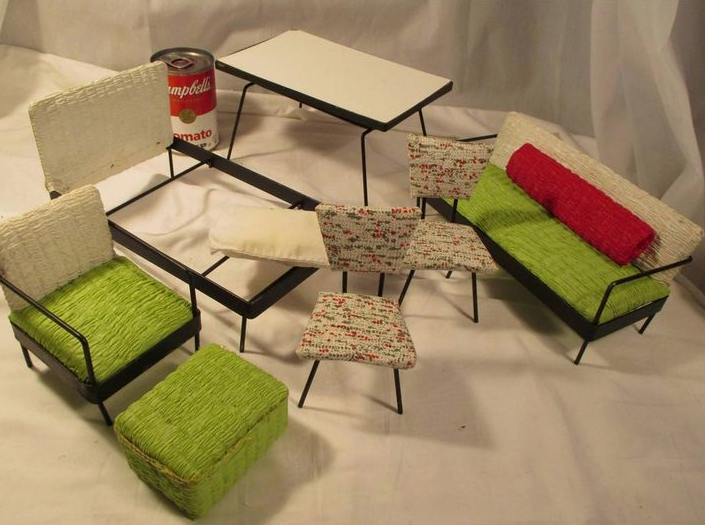
The Timeless Appeal of Modern Furniture as Collectible Art
Furniture has always played a functional role in our lives, but certain pieces go far beyond utility. In the world of design, modern furniture has emerged as a powerful expression of creativity, craftsmanship, and cultural influence. Thoughtfully designed pieces can define interiors, tell stories, and reflect changing design philosophies across generations.
As interior design continues to evolve, more people are viewing furniture as a form of functional art. Designers push boundaries with innovative materials, sculptural forms, and minimalist aesthetics. This shift has transformed select modern pieces into highly sought-after assets that combine beauty with long-term value.
Among design enthusiasts and investors, collectible modern furniture has gained recognition for its ability to blend artistic significance with everyday use. These pieces are often created by influential designers, produced in limited quantities, or represent pivotal moments in design history. Their rarity and craftsmanship elevate them beyond mass-produced furnishings.
What makes these designs especially appealing is their versatility. While they hold artistic and monetary value, they are still meant to be lived with. This balance between form and function is what sets modern collectible furniture apart from traditional antiques or decorative art.
What Defines a Collectible Furniture Piece?
Not all modern furniture qualifies as collectible. Several factors contribute to a piece’s collectible status, including designer reputation, originality, production methods, and historical relevance. Furniture created by iconic designers or renowned studios often carries greater long-term value.
Limited production runs also play a major role. Pieces that are handcrafted or produced in small quantities tend to retain exclusivity, making them more desirable to collectors. Over time, scarcity increases demand, further enhancing value.
Design Movements That Shape Modern Furniture
Modern furniture draws influence from several design movements, including mid-century modern, Bauhaus, Scandinavian minimalism, and contemporary experimental design. Each movement brings unique characteristics such as clean lines, organic shapes, or functional simplicity.
Understanding these movements helps collectors appreciate the context behind each piece. A chair or table is not just an object—it represents a design philosophy and cultural moment that shaped its creation.
Materials and Craftsmanship Matter
High-quality materials are a defining feature of collectible furniture. Solid wood, molded plywood, leather, steel, glass, and innovative composites are often used to achieve both durability and visual impact.
Craftsmanship is equally important. Precision joinery, thoughtful proportions, and attention to detail distinguish collectible pieces from mass-market alternatives. These elements ensure longevity while maintaining aesthetic integrity over time.
The Role of Authenticity and Provenance
Authenticity is critical in the world of furniture collecting. Original production pieces, manufacturer markings, and designer signatures significantly affect value. Documentation such as certificates, original invoices, or production records adds credibility and reassurance for buyers.
Provenance—the documented history of ownership—can further increase a piece’s appeal. Furniture with a clear and notable background often commands higher interest among collectors and galleries.
Styling Collectible Furniture in Modern Interiors
One of the advantages of modern furniture is its adaptability. Collectible pieces can be styled in contemporary, minimalist, or eclectic interiors without feeling out of place. A single statement chair or table can anchor a room and elevate the overall design.
Mixing collectible furniture with modern lighting, neutral palettes, and open layouts allows the piece to stand out. The goal is to highlight its form and craftsmanship without overwhelming the space.
Care and Preservation for Long-Term Value
Proper care is essential to preserving both beauty and value. Regular cleaning using appropriate materials prevents wear and damage. Avoiding direct sunlight, excessive humidity, and improper handling helps maintain original finishes.
Professional restoration should be approached carefully. Over-restoration can reduce value, while subtle conservation techniques help preserve authenticity. When in doubt, consulting a specialist is always recommended.
Investment Potential and Market Trends
Collectible modern furniture has become increasingly attractive as an alternative investment. Design auctions, galleries, and private sales show consistent demand for iconic pieces. While market trends fluctuate, well-chosen items tend to appreciate over time.
Investors often focus on timeless designs rather than short-lived trends. Pieces with enduring appeal and strong design heritage are more likely to maintain relevance and value in the long run.
Why Collectible Furniture Remains Relevant
In a fast-paced world dominated by disposable products, collectible furniture represents longevity and thoughtful design. These pieces encourage sustainable consumption by prioritizing quality over quantity.
They also foster a deeper connection between people and their living spaces. Owning furniture with history, intention, and artistic value adds meaning to everyday environments.
Conclusion
Modern furniture as a collectible category continues to grow in importance and appeal. With the right balance of design, craftsmanship, and authenticity, these pieces serve as both functional objects and lasting works of art. Whether admired for their aesthetic beauty or long-term value, collectible furniture remains a timeless investment in design excellence.