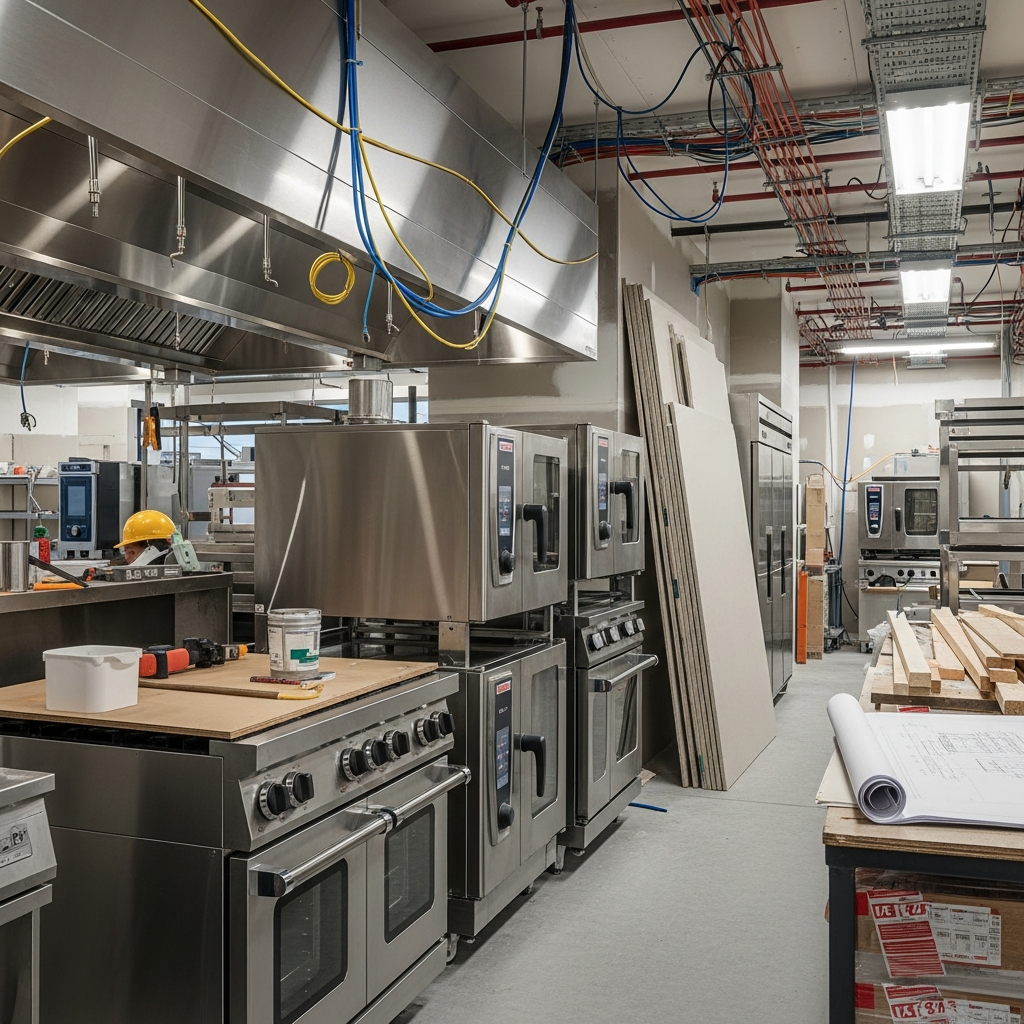
Renovating a commercial kitchen is far more complex than updating a residential space. Restaurants, catering facilities, food production units, and hospitality businesses must comply with strict health, safety, and building standards. Understanding commercial kitchen renovation requirements is essential before starting construction.
Failure to meet regulations can lead to permit delays, failed inspections, fines, or even temporary business closure. Whether you’re upgrading equipment or completely redesigning your restaurant kitchen, this guide explains everything you need to know—especially if you’re operating in Canada.
1. Building Code Compliance
One of the most critical aspects of commercial kitchen building code requirements is ensuring that structural modifications meet municipal and provincial standards.
Key Areas of Compliance:
- Load-bearing walls and structural supports
- Ceiling height requirements
- Emergency exits and accessibility
- Fire-rated wall assemblies
In Ontario, commercial renovations must comply with the Ontario Building Code (OBC), which governs safety, accessibility, and structural integrity.
If your renovation involves layout changes, consulting professionals experienced in kitchen renovations Toronto ensures building plans meet municipal expectations before submission.
2. Health Department Regulations
Every food service establishment must comply with local public health regulations.
Health Department Requirements for Commercial Kitchen:
- Smooth, non-porous surfaces
- Easy-to-clean wall finishes
- Separate handwashing sinks
- Proper food storage areas
- Pest control measures
- Temperature-controlled refrigeration systems
Public health inspections focus heavily on sanitation, cross-contamination prevention, and food safety design.
3. Ventilation and Exhaust Systems
Proper airflow is mandatory in commercial kitchens.
Commercial Kitchen Ventilation Requirements:
- Commercial-grade range hoods
- Grease filters
- Make-up air systems
- Fire suppression integration
- Duct systems meeting fire codes
Ventilation systems must remove smoke, grease vapors, and heat effectively. Poor ventilation can result in fire hazards and inspection failures.
4. Fire Safety Regulations
Fire protection is one of the most heavily regulated aspects of restaurant renovations.
Commercial Kitchen Fire Safety Regulations Include:
- Automatic fire suppression systems
- Fire-rated drywall
- Emergency lighting
- Fire extinguishers rated for grease fires
- Clear access to exits
Municipal fire departments often conduct inspections before granting final occupancy approval.
5. Plumbing Standards
Commercial kitchen plumbing differs significantly from residential systems.
Commercial Kitchen Plumbing Standards:
- Grease traps or interceptors
- Backflow prevention devices
- Floor drains
- Dedicated handwashing sinks
- High-capacity water heaters
Improper plumbing installation can delay approval and lead to costly rework.
If you’re upgrading an older facility or expanding operations, a professional team handling kitchen renovation mississauga projects can help ensure plumbing meets updated regulations.
6. Electrical Requirements
Commercial kitchens demand significantly more electrical capacity than residential spaces.
Commercial Kitchen Electrical Requirements:
- Dedicated circuits for heavy equipment
- Proper grounding
- Emergency shut-off switches
- GFCI outlets in wet areas
- Energy-efficient lighting systems
Electrical systems must handle high-power appliances safely while complying with code.
7. Accessibility (AODA & ADA Compliance)
In Canada, accessibility laws require commercial establishments to accommodate individuals with disabilities.
Requirements may include:
- Accessible washrooms
- Barrier-free entrances
- Proper aisle widths
- Reachable handwashing stations
Failure to meet accessibility standards can result in penalties and legal issues.
8. Permits and Approvals
Before starting construction, you must secure necessary permits.
Common Permits Include:
- Building permit
- Plumbing permit
- Electrical permit
- Fire safety approval
- Health department pre-approval
If you’re renovating a restaurant space in Brampton, working with professionals experienced in kitchen renovation brampton can streamline the application and inspection process.
9. Layout & Workflow Design
Compliance is important—but so is efficiency.
A well-designed commercial kitchen should:
- Minimize cross-contamination
- Separate prep and cooking zones
- Provide adequate storage
- Improve staff workflow
Efficient layout reduces operational bottlenecks and improves food safety compliance.
10. Budget and Timeline Considerations
Commercial renovations typically take:
- 8–16 weeks depending on complexity
Costs vary widely depending on size, equipment upgrades, and compliance requirements.
Major cost categories include:
- Structural modifications
- Mechanical systems (HVAC, plumbing, electrical)
- Equipment purchases
- Permits and inspection fees
Proper budgeting ensures you meet both operational and compliance standards.
Common Mistakes to Avoid
- Starting construction without approved permits
- Underestimating ventilation requirements
- Ignoring grease trap regulations
- Hiring contractors unfamiliar with commercial codes
- Failing to plan for inspection timelines
Avoiding these mistakes can save significant time and money.
In-Depth FAQs – Commercial Kitchen Renovation Requirements
1. Do I need permits for a commercial kitchen renovation in Canada?
Yes. Most commercial kitchen renovations require multiple permits, including building, plumbing, electrical, and fire safety approvals. Additionally, public health departments may require pre-construction plan reviews. Skipping permits can lead to fines, closure orders, or inability to obtain operating licenses.
2. How long does it take to get commercial renovation approvals?
Approval timelines vary by municipality. In Ontario, building permit approvals can take several weeks depending on complexity. Health department approvals may require plan review before construction begins. Fire inspections are often conducted near project completion.
3. What is the most expensive part of a commercial kitchen renovation?
Mechanical systems—particularly ventilation, fire suppression, and electrical upgrades—are typically the most expensive components. Equipment upgrades also significantly impact budget.
4. What happens if I fail a health inspection after renovation?
If a kitchen fails inspection, you must correct deficiencies before operating. This can result in delayed openings, financial losses, and additional construction costs.
5. Are commercial kitchen codes different from residential codes?
Yes. Commercial kitchens must meet stricter building, plumbing, ventilation, and fire safety standards due to higher usage, public health risks, and increased fire hazards.
6. Can I renovate while keeping my restaurant open?
In some cases, phased renovations are possible. However, major upgrades involving ventilation, plumbing, or fire systems often require temporary closure for safety and compliance.
Final Thoughts
Understanding commercial kitchen renovation requirements is essential for protecting your investment and ensuring your business operates legally and safely. From building codes and health regulations to fire safety and ventilation standards, every element must meet strict compliance guidelines.
Careful planning, professional guidance, and early permit coordination ensure your renovation stays on schedule and passes inspections without costly delays.