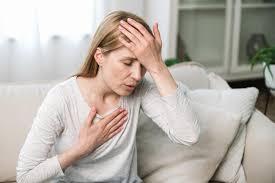
As a physician specialising in gastroenterology with over a decade of clinical and medical writing experience, I often meet people who live in constant fear because of ongoing chest pain. You may worry about your heart, feel anxious about every twinge, or struggle to get clear answers. I want to reassure you from the outset: many causes of chronic chest pain have nothing to do with heart disease. In this article, I explain the most common non-cardiac causes, focusing on achalasia, gastro-oesophageal reflux disease (GERD), oesophageal spasms, and anxiety. I speak directly to you, address your concerns, and explain what happens inside your body in clear, practical language.
Why Chest Pain Does Not Always Mean Heart Trouble
Chest pain feels alarming because it sits close to vital organs. You may feel pressure, burning, tightness, or sharp discomfort. While heart conditions need urgent attention, doctors find that a large proportion of people with ongoing chest pain have a healthy heart. The oesophagus, stomach, muscles, lungs, and nervous system can all trigger pain that mimics cardiac symptoms.
When you experience chronic chest pain, you deserve a clear explanation rather than repeated reassurance without detail. Let us explore the main non-heart-related causes that clinicians see every day.
Achalasia: A Rare but Important Cause of Chest Pain
Achalasia is a disorder that affects how your oesophagus moves food into your stomach. The muscles of the oesophagus lose their normal coordination, and the lower oesophageal sphincter fails to relax properly. As a result, food and liquid struggle to pass into the stomach.
How Achalasia Causes Chest Pain
You may feel chest pain because the oesophagus stretches and spasms as it tries to push food down. This pain can feel intense, squeezing, or burning. Many people mistake it for angina. The pain may appear after eating, during the night, or even at rest.
You might also notice:
- Difficulty swallowing solid foods and liquids
- Regurgitation of undigested food
- Night-time coughing or choking
- Unexplained weight loss
Because achalasia progresses slowly, symptoms often appear gradually. You may adapt your eating habits without realising something is wrong, which delays diagnosis.
Emotional Impact of Living With Achalasia
Living with unexplained chest pain can create fear and frustration. You may avoid eating in public or feel anxious about symptoms appearing suddenly. Clear diagnosis and management help restore confidence and quality of life.
Many people look for supportive approaches alongside medical treatment. You may come across information linking achalasia care with a Natural Remedy for Achalasia, or advice discussing Home Remedies for Achalasia as part of symptom relief strategies. Some also explore nutritional support options such as Pure Health Dietary Supplements after discussing them with a healthcare professional.
GERD: One of the Most Common Causes of Non-Cardiac Chest Pain
Gastro-oesophageal reflux disease affects millions of people and often causes chest pain that closely resembles heart-related discomfort.
What Happens in GERD
GERD occurs when stomach acid flows back into the oesophagus. The oesophageal lining lacks the same protection as the stomach, so acid exposure leads to irritation and inflammation. This irritation causes burning pain, pressure, or tightness in the chest.
How GERD-Related Chest Pain Feels
You may notice:
- Burning pain behind the breastbone
- Pain that worsens after meals or when lying down
- Sour taste in the mouth
- Hoarseness or chronic cough
GERD-related chest pain often improves with antacids, dietary changes, or acid-suppressing medication. However, long-standing reflux can still cause persistent discomfort that affects daily life.
Why GERD and Achalasia Can Feel Similar
Both conditions involve the oesophagus, which explains why the pain feels similar. Unlike achalasia, GERD usually causes increased acid exposure rather than impaired muscle movement. Proper testing helps distinguish between them and prevents unnecessary worry.
Oesophageal Spasms: Sudden Pain From Muscle Contractions
Oesophageal spasms occur when the muscles of the oesophagus contract abnormally. These contractions may appear strong, uncoordinated, or prolonged.
How Oesophageal Spasms Trigger Chest Pain
You may feel sudden, severe chest pain that lasts from minutes to hours. The pain can radiate to your back, neck, or jaw. Because of its intensity, many people seek emergency care believing they have a heart attack.
Common triggers include:
- Very hot or cold foods
- Stress or emotional upset
- Acid reflux
You may also experience difficulty swallowing or the sensation that food gets stuck mid-chest.
Living With Unpredictable Symptoms
The unpredictability of oesophageal spasms can make you feel on edge. You may fear eating certain foods or feel anxious about symptoms appearing in public. Accurate diagnosis allows you to manage triggers and regain control.
Anxiety and Panic Disorders: Real Pain With a Psychological Origin
Anxiety does not mean the pain exists only in your mind. Anxiety and panic disorders can cause very real physical symptoms, including chronic chest pain.
How Anxiety Produces Chest Pain
When anxiety activates your body’s stress response, muscles tighten, breathing becomes shallow, and heart rate increases. These changes can lead to:
- Chest tightness or pressure
- Sharp or stabbing pain
- Shortness of breath
- Dizziness or tingling sensations
You may notice the pain appears during periods of stress or worry. Panic attacks often cause sudden chest pain that feels overwhelming.
The Cycle of Pain and Fear
Chest pain increases anxiety, and anxiety intensifies pain. This cycle can persist for months or years without proper support. Once clinicians rule out heart disease and other physical causes, addressing anxiety becomes a vital step in recovery.
Comparing Achalasia, GERD, Oesophageal Spasms, and Anxiety
Understanding the differences between these conditions helps you recognise patterns in your symptoms.
- Achalasia usually causes difficulty swallowing, regurgitation, and chest pain linked to eating.
- GERD causes burning pain that worsens after meals or when lying flat.
- Oesophageal spasms cause sudden, intense chest pain that may not follow a clear pattern.
- Anxiety-related pain often appears during stress and includes other symptoms such as palpitations or breathlessness.
Although symptoms overlap, targeted testing such as endoscopy, manometry, or pH monitoring provides clarity.
Why Proper Diagnosis Matters
You deserve more than reassurance alone. Persistent chest pain affects sleep, appetite, work, and emotional wellbeing. Without diagnosis, you may restrict activities unnecessarily or live in constant fear of a heart problem.
Early diagnosis allows:
- Accurate treatment planning
- Reduction of unnecessary anxiety
- Prevention of complications
- Improved quality of life
A thorough medical assessment always comes first, especially if chest pain appears new, severe, or changing.
How Lifestyle Factors Influence Chest Pain
Your daily habits play a significant role in non-cardiac chest pain.
Eating Habits
Large meals, late-night eating, spicy foods, caffeine, and alcohol can worsen GERD and oesophageal symptoms. Eating slowly and staying upright after meals often helps reduce discomfort.
Stress Levels
Stress affects muscle tension, digestion, and pain perception. Chronic stress can aggravate anxiety-related chest pain and oesophageal spasms.
Posture and Activity
Poor posture and prolonged sitting increase pressure on the chest and upper abdomen. Gentle movement and posture awareness support symptom relief.
Managing Chronic Chest Pain With Medical Support
Management depends on the cause. Your doctor may recommend:
- Medications to reduce acid or relax oesophageal muscles
- Procedures to treat achalasia
- Breathing techniques and psychological support for anxiety
- Dietary adjustments based on symptom triggers
You play an active role in management by tracking symptoms, following advice, and seeking help when needed.
Emotional Wellbeing and Chest Pain
Chronic chest pain affects more than your body. You may feel isolated, misunderstood, or fearful. Open communication with healthcare providers and loved ones helps reduce emotional strain.
You benefit from recognising that pain without heart disease remains valid and deserving of care. Emotional support complements medical treatment and promotes long-term improvement.
When to Seek Immediate Medical Attention
Although many causes of chest pain are not heart-related, you should always seek urgent care if pain appears suddenly, feels severe, or comes with symptoms such as fainting, severe breathlessness, or weakness on one side of the body. Prompt assessment saves lives and provides reassurance when serious conditions are excluded.
Living Confidently With the Right Information
Chronic chest pain no longer needs to dominate your life. With clear information, proper diagnosis, and supportive care, you can manage symptoms effectively. Achalasia, GERD, oesophageal spasms, and anxiety all respond to targeted approaches once identified correctly.
You deserve clarity, compassion, and practical guidance. By understanding these non-cardiac causes of chest pain, you gain control over fear and move forward with confidence and peace of mind.