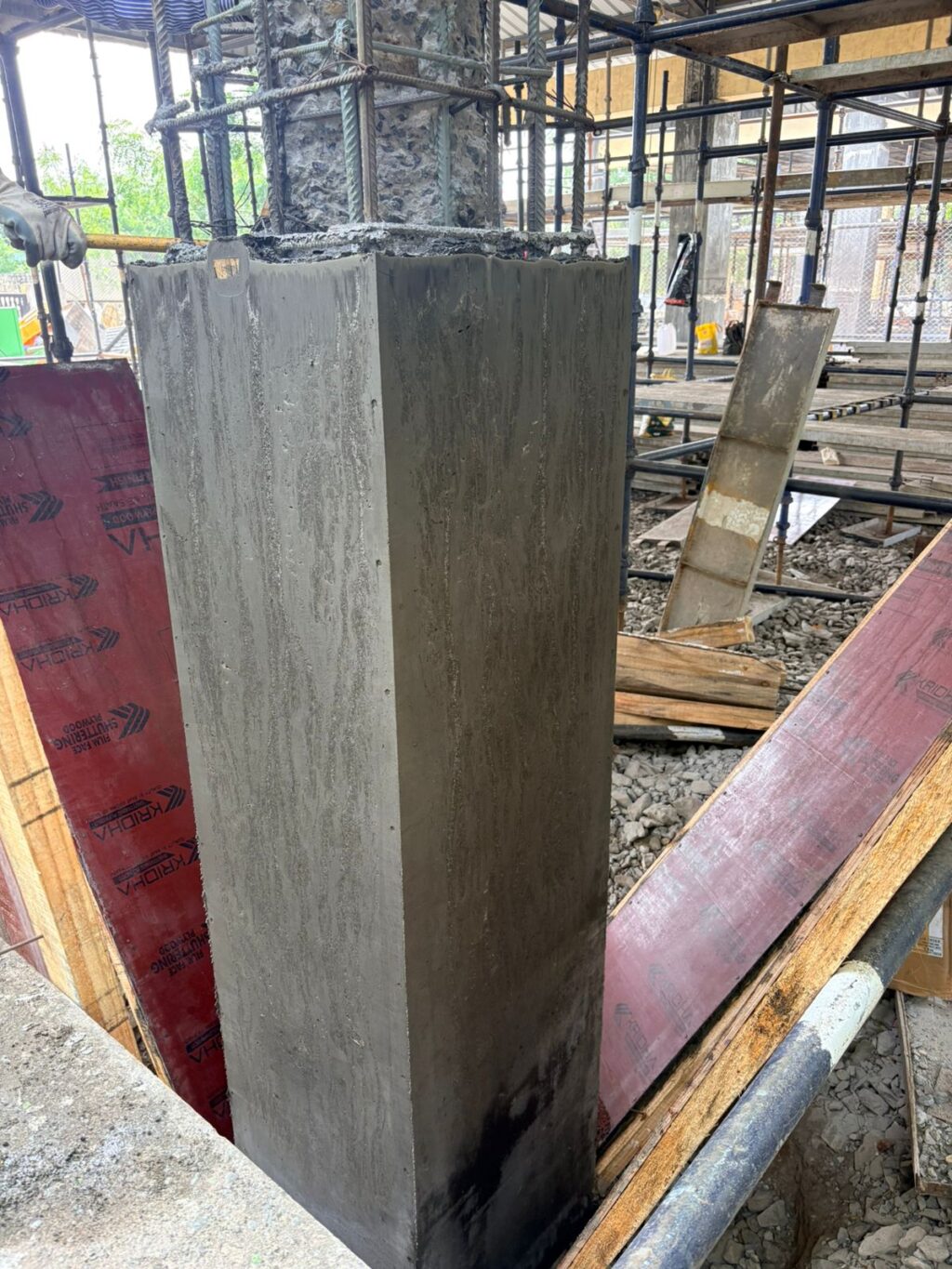
Concrete jacketing service is widely used to improve the load carrying capacity and durability of existing RCC structures. It involves adding a new layer of reinforced concrete around columns, beams, or slabs to restore strength and enhance safety. This method is preferred in aging buildings, commercial properties, and industrial structures where demolition is not practical and structural performance must be improved efficiently.
Why Structural Jacketing Is Required
Over time, buildings face stress due to increased load, design changes, poor construction quality, corrosion of reinforcement, and environmental exposure. Structural jacketing becomes necessary when cracks, spalling, or deformation appear in RCC members. Concrete jacketing service helps extend the life of the structure while meeting current safety standards. It is a proven solution for strengthening weak columns and beams without altering the building layout.
Understanding RCC Jacketing
RCC jacketing refers to strengthening reinforced cement concrete members by encasing them with additional reinforcement and concrete. This process increases cross sectional area and improves load resistance. RCC jacketing is commonly applied in residential buildings, hospitals, factories, and parking structures. It is especially useful in seismic strengthening projects where ductility and stiffness need to be enhanced for earthquake resistance.
Column Jacketing Service Explained
Column jacketing service focuses on strengthening vertical load bearing members that transfer loads from slabs and beams to the foundation. Weak or damaged columns can compromise the entire structure. Column jacketing increases axial load capacity, improves confinement, and reduces the risk of sudden failure. This technique is often used in old buildings, change of building use, and after structural audits.
Beam Jacketing and Its Importance
Beam jacketing is carried out to strengthen horizontal structural members that support slabs and transfer loads to columns. Cracked or undersized beams can lead to excessive deflection and safety concerns. Beam jacketing enhances flexural strength, shear capacity, and stiffness. It is commonly adopted during renovation, floor load enhancement, and structural retrofitting projects in residential and commercial buildings.
Situations Where Concrete Jacketing Is Ideal
Concrete jacketing service is ideal when structural members show signs of distress but are still salvageable. It is preferred during building renovation, additional floor construction, change in occupancy load, and fire damage repair. Compared to rebuilding, jacketing saves time and cost while allowing occupants to continue partial use of the building during execution with proper planning and safety measures.
Step by Step Concrete Jacketing Process
The concrete jacketing process starts with surface preparation, where damaged concrete is removed and reinforcement is exposed. Steel bars are then added as per design requirements and anchored properly. After shuttering is fixed, high strength concrete or micro concrete is poured. Proper curing follows to achieve desired strength. Each step is critical for long term structural performance.
Materials Used in RCC Jacketing Work
RCC jacketing uses materials such as high grade cement, coarse and fine aggregates, corrosion resistant steel reinforcement, bonding agents, and chemical admixtures. Epoxy or polymer based bonding agents ensure strong adhesion between old and new concrete. Micro concrete is often used for better flow and compaction. Selection of quality materials directly impacts the durability and effectiveness of the jacketing system.
Structural Design Considerations for Jacketing
Proper structural analysis is essential before starting any concrete jacketing service. Load calculations, existing member capacity, and future usage are evaluated by structural engineers. Design considers additional dead load due to jacketing and foundation capacity. Reinforcement detailing is done carefully to ensure load transfer and compatibility with existing RCC members, avoiding stress concentration or premature failure.
Advantages of Concrete Jacketing Over Other Methods
Concrete jacketing offers high strength, long term durability, and fire resistance compared to fiber wrapping or steel plate bonding. It integrates well with existing RCC structures and provides significant improvement in load capacity. This method is suitable for both minor and major strengthening works. It also allows flexibility in increasing member size as per structural requirements.
Concrete Jacketing vs Steel Jacketing
Concrete jacketing and steel jacketing serve similar purposes but differ in application. Concrete jacketing increases member size and stiffness, while steel jacketing focuses on confinement and strength using plates or sections. RCC jacketing is more cost effective for large scale projects and offers better fire resistance. Steel jacketing is faster but requires corrosion protection and regular maintenance.
Role of Skilled Execution in Jacketing Service
Successful concrete jacketing service depends heavily on skilled workmanship and supervision. Proper alignment of reinforcement, correct shuttering, and controlled concrete placement are crucial. Poor execution can lead to voids, weak bonding, and reduced effectiveness. Experienced professionals ensure that jacketing work meets structural design intent and delivers the expected improvement in safety and performance.
Safety Measures During Jacketing Work
Safety is critical during column jacketing service and beam jacketing operations. Temporary supports are provided to relieve load from existing members during execution. Dust control, worker protection, and structural monitoring are maintained throughout the process. Proper sequencing of work ensures that structural stability is not compromised at any stage, especially in occupied buildings.
Common Mistakes to Avoid in RCC Jacketing
Ignoring surface preparation, using low quality materials, and inadequate curing are common mistakes in RCC jacketing. Lack of proper bonding between old and new concrete reduces effectiveness. Another mistake is executing jacketing without structural design approval. Avoiding these errors ensures that concrete jacketing service delivers long lasting strength and performs as intended under load conditions.
Applications in Residential Buildings
In residential structures, concrete jacketing is often used to strengthen columns and beams affected by aging, corrosion, or construction defects. It is also common during home renovation when additional floors are added. RCC jacketing allows homeowners to upgrade structural safety without demolishing the building, making it a practical and economical strengthening solution.
Applications in Commercial and Industrial Structures
Commercial and industrial buildings face higher load demands due to equipment, storage, and occupancy. Concrete jacketing service helps upgrade existing structures to meet increased load requirements. It is widely used in factories, warehouses, shopping complexes, and office buildings. Beam jacketing and column jacketing ensure uninterrupted operations while improving structural reliability and compliance.
Earthquake Retrofitting Using Jacketing
In seismic zones, RCC jacketing is a preferred method for earthquake retrofitting. It enhances ductility, stiffness, and energy dissipation capacity of structural members. Column jacketing service is particularly effective in preventing brittle failure during seismic events. This approach helps existing buildings comply with updated seismic codes and improves overall resilience.
Cost Factors in Concrete Jacketing Service
The cost of concrete jacketing service depends on factors such as extent of damage, member size, material grade, accessibility, and project complexity. Structural design and quality control also influence pricing. While initial cost may seem higher than temporary repairs, jacketing provides long term structural benefits, making it a cost effective investment in building safety.
Maintenance After Jacketing Work
After completion of RCC jacketing, minimal maintenance is required if quality materials and workmanship are used. Regular structural inspections help identify early signs of distress. Protective coatings can be applied to prevent moisture ingress and reinforcement corrosion. Proper maintenance ensures that strengthened columns and beams continue to perform effectively for decades.
Choosing the Right Jacketing Service Provider
Selecting the right contractor for concrete jacketing service is crucial for project success. Look for experience in RCC jacketing, qualified engineers, and proper execution practices. A reliable service provider conducts structural assessment, follows design specifications, and maintains quality control throughout the project. This ensures safety, durability, and compliance with engineering standards.
Future Scope of Structural Jacketing Solutions
With increasing focus on sustainable construction and building reuse, concrete jacketing service will continue to play a vital role. Strengthening existing structures reduces demolition waste and construction cost. Advances in materials and techniques are making RCC jacketing more efficient and reliable. It remains one of the most trusted solutions for structural repair and strengthening.
Concrete jacketing service, RCC jacketing, column jacketing service, and beam jacketing are essential techniques for strengthening existing structures. They improve load capacity, safety, and lifespan of buildings across residential, commercial, and industrial sectors. When designed and executed properly, concrete jacketing service offers a reliable, long term solution that aligns with modern structural safety requirements and practical construction needs.