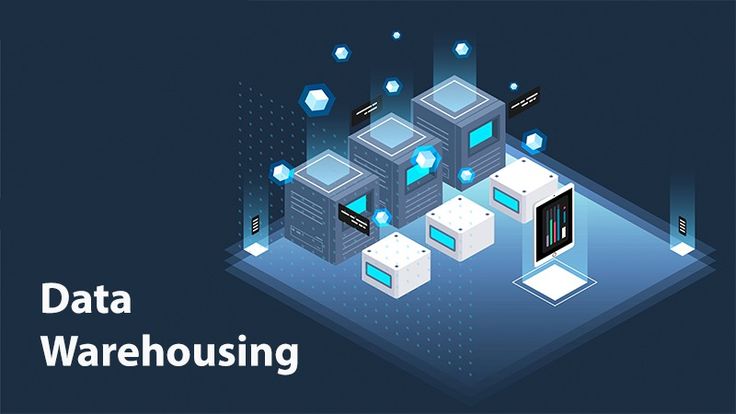
Data warehousing is one of the most important parts of modern business systems. It helps companies collect, store, and use large amounts of data in a simple and organized way. Today, every business creates data from many sources like sales, websites, apps, and customer service. Without a proper system, this data becomes hard to manage.

In this blog, you will understand data warehousing in a clear and simple way. You will also see how data warehouse SaaS and enterprise data management play a big role in handling business data smoothly.
What Is Data Warehousing?
Data warehousing is the process of storing data from different sources into one central system. This system is designed to make data easy to read, search, and use for reports.
Simple Meaning
-
It collects data from many sources
-
Stores data in one place
-
Makes data ready for reporting and analysis
Why Businesses Use Data Warehousing
Businesses need quick access to correct data. Data warehousing helps them make better decisions by providing clear and organized information.
How Data Warehousing Works
Data warehousing works by collecting data, cleaning it, and storing it in a structured format.
Step-by-Step Process
Data Collection
Data is collected from different systems like websites, apps, and software.
Data Cleaning
Wrong or duplicate data is removed to keep the system accurate.
Data Storage
Clean data is stored in a central data warehouse.
Data Usage
Users can create reports and check performance using stored data.
What Is Data Warehouse SaaS?
Data warehouse SaaS means using data warehousing as an online service. Instead of building your own system, you can use a cloud-based platform.
Why Data Warehouse SaaS Is Popular
-
No need for physical servers
-
Easy setup and use
-
Cost-friendly for businesses
-
Managed by service providers
How It Helps
Data warehouse SaaS makes data warehousing simple for companies of all sizes. Even small businesses can use it without large investments.
Role of Enterprise Data Management
Enterprise data management is the process of handling all business data in a proper and organized way. It works closely with data warehousing to keep data useful and structured.
Key Functions
-
Organizing business data
-
Keeping data safe
-
Making data easy to access
-
Supporting business operations
Why It Is Important
Without enterprise data management, data can become messy and hard to use. It ensures that data warehousing systems run smoothly.
Benefits of Data Warehousing
Data warehousing offers many benefits that help businesses improve their daily work.
Better Decision-Making
When data is clear and organized, businesses can make faster and better decisions.
Time Saving
All data is stored in one place, so there is no need to search in different systems.
Improved Data Quality
Cleaning and organizing data improves its accuracy.
Easy Reporting
Reports can be created quickly using stored data.
Key Features of Data Warehousing
Data warehousing systems come with features that make them useful for businesses.
Central Storage
All data is stored in one system.
Data Integration
Data from different sources is combined into one format.
Historical Data
Old data is stored for future use and comparison.
Fast Access
Users can get data quickly when needed.
Common Uses of Data Warehousing
Data warehousing is used in many areas of business.
Sales Analysis
Track sales performance and growth.
Customer Insights
Understand customer needs and behavior.
Financial Reports
Manage income, expenses, and profits.
Marketing Performance
Check how marketing campaigns are working.
Challenges in Data Warehousing
Even though data warehousing is helpful, there are some challenges.
High Initial Setup
Building a system can take time and money.
Data Integration Issues
Combining data from different sources can be complex.
Maintenance Needs
Systems need regular updates and monitoring.
Why data warehousing is an important system
Data warehousing is an important system that helps businesses store and manage large amounts of information. Data warehousing allows companies to bring data from different sources into one place.
With data warehousing, teams can access data quickly and use it for reports. Data warehousing makes it easier to understand business performance and customer behavior. Many companies use data warehousing to keep their data organized and safe.
Modern data warehousing systems are often connected with cloud platforms. This makes data warehousing more flexible and easy to use. Small and large businesses both depend on data warehousing for better results. Data warehousing helps teams work together by giving access to the same data. With data warehousing, companies can handle growing data without problems.
How Data Warehouse SaaS Solves These Problems
Data warehouse SaaS helps reduce many challenges of traditional systems.
Lower Cost
No need to buy expensive hardware.
Easy Maintenance
Service providers manage updates and fixes.
Quick Setup
You can start using the system in less time.
Flexible Usage
You can scale up or down based on your needs.
Tips for Better Data Warehousing
Here are some simple tips to improve your data warehousing system.
Keep Data Clean
Always remove duplicate and wrong data.
Plan Your Storage
Store only useful data to save space.
Monitor Performance
Check system performance regularly.
Use Automation
Automation helps reduce manual work and errors.
Future of Data Warehousing
The future of data warehousing is moving toward cloud-based systems and smarter tools.
Growth of Data Warehouse SaaS
More businesses are choosing data warehouse SaaS for easy data management.
Better Integration Tools
New tools will make it easier to combine data from different sources.
Focus on Enterprise Data Management
Businesses will pay more attention to organizing and managing data properly.
Important Points to Remember
-
Data warehousing stores data in one place
-
It helps in reporting and decision-making
-
Data warehouse SaaS makes the process simple
-
Enterprise data management keeps data organized
-
Clean data improves business performance
Conclusion
Data warehousing plays a key role in managing modern business data. It helps companies bring all their data into one place, making it easier to use and understand. With the support of data warehouse SaaS, businesses can avoid complex setups and focus more on using their data effectively.
Enterprise data management adds more value by keeping data organized and safe. When these systems work together, businesses can handle data in a smooth and simple way. As data continues to grow, using data warehousing will become even more important for every organization.
For more insightful articles related to this topic, feel free to visit blogpulseguru