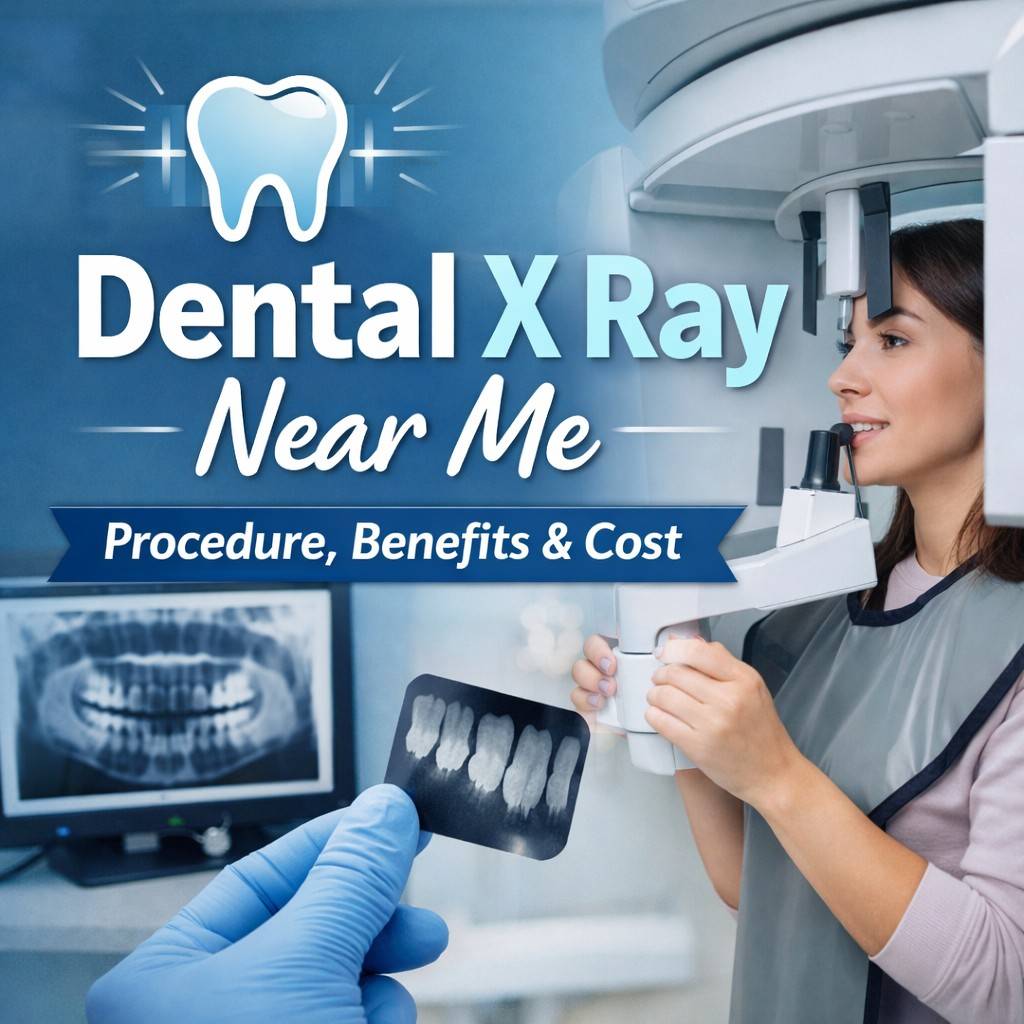
Oral health plays a crucial role in overall well-being. While regular brushing and flossing are important, they are not enough to detect hidden dental issues. Many problems, such as cavities between teeth, infections, bone loss, and impacted teeth, can only be identified through imaging. This is where modern dental diagnostics become essential. If you are searching for a Dental X-ray near me, understanding the procedure, benefits, types, and safety measures can help you make the right decision.
In this detailed guide, we will explain everything you need to know about dental X-rays and how to choose the right diagnostic center or dental clinic near you.
What Is a Dental X-Ray?
A dental X-ray is a diagnostic imaging test that uses low levels of radiation to capture images of your teeth, gums, and jawbone. These images help dentists detect issues that are not visible during a regular oral examination.
Dental X-rays are commonly performed in dental clinics using advanced digital equipment. They are quick, painless, and provide immediate results in most cases.
Why Is a Dental X-Ray Important?
Dental problems often develop silently without noticeable symptoms. By the time pain appears, the condition may already be advanced. X-rays allow early detection of:
Tooth decay between teeth
Gum disease and bone loss
Abscesses or infections
Impacted teeth
Jawbone abnormalities
Cysts or tumors
Early diagnosis helps prevent complications and reduces long-term treatment costs.
Types of Dental X-Rays
1. Bitewing X-Ray
Bitewing X-rays show the upper and lower back teeth in a single image. They are mainly used to detect cavities between teeth and check bone levels.
2. Periapical X-Ray
This type captures the entire tooth, from crown to root. It helps detect root infections, abscesses, and bone issues around a specific tooth.
3. Panoramic X-Ray (OPG)
A panoramic X-ray provides a full view of the mouth, including all teeth, jawbones, sinuses, and temporomandibular joints. It is often used before orthodontic treatment, wisdom tooth removal, or dental implants.
4. Occlusal X-Ray
Occlusal X-rays show the floor or roof of the mouth and help detect extra teeth, fractures, or cysts.
Procedure: What to Expect During a Dental X-Ray
If you are visiting a clinic for a dental X-ray, here is what typically happens:
- Preparation – You may be asked to remove metal objects like jewelry or spectacles.
- Protective Gear – A lead apron is placed over your chest and abdomen to minimize radiation exposure.
- Positioning – The technician places a small sensor or film inside your mouth.
- Imaging – You will be asked to stay still for a few seconds while the image is captured.
- Results – Digital X-rays appear instantly on the computer screen.
The entire procedure usually takes 5–10 minutes and is completely painless.
Are Dental X-Rays Safe?
Modern dental X-rays use very low radiation levels, especially digital X-rays. The radiation exposure is minimal and considered safe for most patients.
Safety measures include:
Lead aprons for protection
High-speed digital sensors
Limited exposure time
Modern calibrated equipment
However, pregnant women should always inform their dentist before undergoing any imaging test.
Benefits of Getting a Dental X-Ray
Choosing a trusted dental X-ray center near you offers several advantages:
1. Early Detection
X-rays detect cavities and infections before they become severe.
2. Accurate Diagnosis
Dentists can create precise treatment plans using detailed imaging.
3. Better Treatment Planning
Procedures like braces, root canal therapy, and implants require X-ray evaluation.
4. Preventive Care
Regular imaging helps monitor oral health and prevent complications.
Who Needs a Dental X-Ray?
Your dentist may recommend a dental X-ray if you:
Have tooth pain or swelling
Show signs of gum disease
Need orthodontic treatment
Are you planning dental implants
Have wisdom tooth issues
Have not had an X-ray in a long time
Children may require X-rays to monitor tooth development and alignment.
How Often Should You Get a Dental X-Ray?
The frequency depends on your oral health condition. Healthy adults usually need X-rays every one to two years. Patients with gum disease or recurring dental issues may require them more frequently. Children and teenagers may also need periodic imaging to monitor growth and tooth alignment. Your dentist will recommend imaging based on your individual risk level.
Cost of Dental X-Rays
The cost of a dental X-ray depends on the type of imaging required, the clinic location, the technology used, and the dentist’s expertise. Digital X-rays may cost slightly more but provide faster, clearer, and safer results. It is advisable to compare prices and confirm the charges beforehand to avoid surprises.
How to Choose the Best Dental X-Ray Near You
When searching online for a reliable center, keep these factors in mind:
1. Advanced Equipment
Choose clinics that use digital radiography for better image quality and reduced radiation.
2. Experienced Professionals
Ensure the clinic has qualified dentists and trained technicians.
3. Hygiene Standards
Clean and sanitized environments reduce infection risk.
4. Transparent Pricing
Ask about charges before the procedure.
5. Good Reviews
Check patient feedback and ratings online.
Preparing for a Dental X-Ray
There is usually no special preparation required. However, brushing your teeth before the appointment and informing your dentist about pregnancy or medical conditions is recommended. Remove metallic accessories and follow the technician’s instructions during the procedure.
Common Myths About Dental X-Rays
Many people believe dental X-rays are dangerous, but modern equipment uses minimal radiation and is considered safe. Another myth is that X-rays are only needed when there is pain; however, many dental issues develop without symptoms. Some also think children should avoid X-rays, but they are essential for monitoring proper growth and development.
Final Thoughts
Dental X-rays are an essential part of preventive and diagnostic dental care. They help detect problems early, guide treatment planning, and protect long-term oral health. The procedure is quick, painless, and safe when performed by trained professionals using modern equipment.
If you are experiencing dental discomfort or planning a routine check-up, searching for a trusted Dental X-ray near me can help you find the right clinic with advanced technology and experienced dental professionals. Prioritize quality, safety, and hygiene to ensure the best care for your smile.