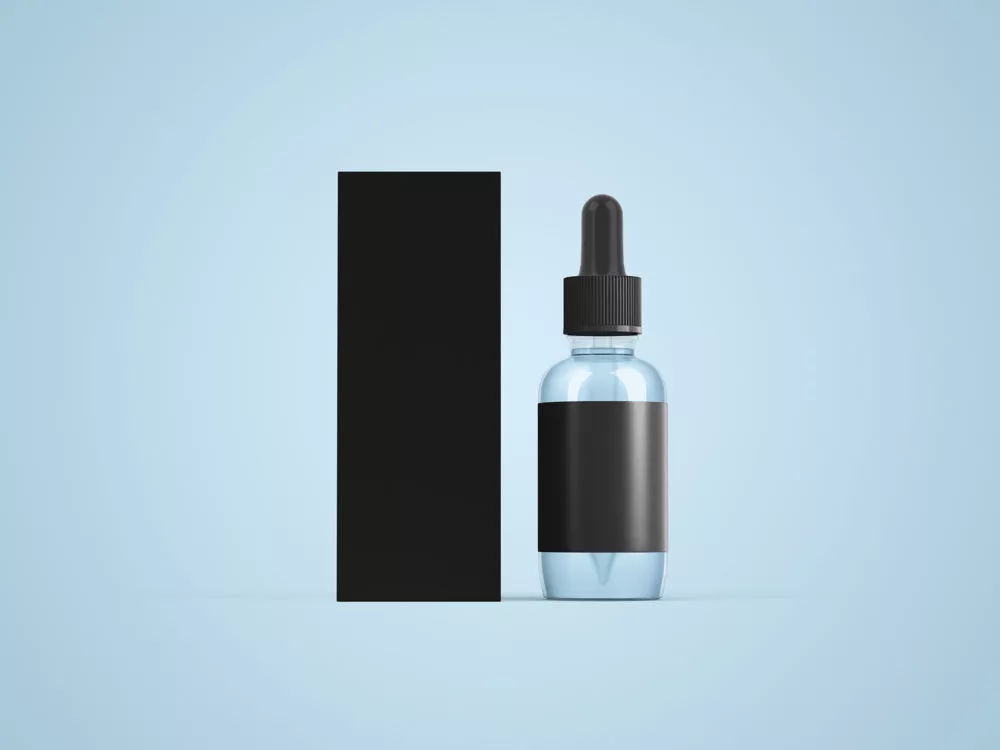
Dropper bottles have become a packaging staple across multiple industries, including cosmetics, pharmaceuticals, essential oils, CBD, and wellness products. Their ability to deliver controlled dosages makes them especially valuable for liquid formulations where precision matters. However, effective dropper bottle packaging goes far beyond the container itself. Design choices, labeling compliance, material selection, and sustainability all play a role in how a product is perceived, trusted, and ultimately purchased.
This article explores key trends, practical considerations, and real-world insights into dropper bottle packaging and dropper bottle labels, helping brands make informed decisions while meeting consumer and regulatory expectations.
Why Dropper Bottle Packaging Matters More Than Ever
In crowded retail and eCommerce environments, packaging is often the first physical interaction a customer has with a product. According to a 2023 Nielsen study, nearly 64% of consumers try a new product because the packaging catches their attention, even before reading the ingredients.
For dropper bottles specifically, packaging must balance aesthetics with functionality. Poor packaging can lead to leakage, contamination, or dosage inconsistency—issues that quickly damage brand credibility.
Key Functional Requirements
-
Leak resistance during shipping and storage
-
Chemical compatibility with oils, serums, or active ingredients
-
Controlled dispensing to ensure accurate dosage
-
Tamper evidence for safety and trust
Brands that address these fundamentals early reduce costly returns and improve customer satisfaction.
Common Materials Used in Dropper Bottle Packaging
Glass vs Plastic Bottles
Glass remains the preferred choice for premium skincare, essential oils, and pharmaceutical applications due to its inert nature. Amber and cobalt blue glass bottles are particularly popular because they block UV light, helping preserve sensitive formulations.
Plastic droppers, typically made from PET or HDPE, are more impact-resistant and cost-effective. They are commonly used for mass-market cosmetic products and supplements where durability is a priority.
Material selection should always be driven by product chemistry, shelf life requirements, and target audience expectations.
The Role of Secondary Packaging
While the bottle holds the product, secondary packaging—such as folding cartons or rigid boxes—plays a major role in branding, protection, and compliance.
High-quality dropper bottle boxes help:
-
Prevent breakage during transit
-
Provide space for mandatory information
-
Enhance shelf presence and unboxing experience
Many brands now use custom-sized boxes to minimize excess material and shipping costs, especially for direct-to-consumer (DTC) sales.
Packaging specialists such as Sky Custom Box are often referenced in industry discussions for helping brands align structural design with regulatory and branding needs, particularly in regulated markets like cosmetics and wellness.
Dropper Bottle Labels: More Than Just Design
Labels serve as both a branding tool and a legal requirement. In regulated industries, label accuracy is non-negotiable.
Essential Information on Dropper Bottle Labels
-
Product name and function
-
Net quantity (ml/oz)
-
Ingredient list (INCI format for cosmetics)
-
Usage instructions
-
Safety warnings and storage guidance
-
Manufacturer or distributor details
In markets like the UK, EU, and US, incorrect or incomplete labeling can result in product recalls or fines.
Label Materials and Finishes That Perform
Dropper bottles are often exposed to oils, moisture, and frequent handling. Choosing the wrong label material can lead to peeling, smudging, or ink fade.
Recommended Label Options
-
BOPP (polypropylene) for oil and water resistance
-
Matte laminations for a premium, glare-free look
-
Gloss finishes for vibrant colours and retail impact
-
Clear labels for a “no-label” aesthetic
Digital and flexographic printing technologies now allow brands to produce short runs with high detail, making custom dropper bottle labels more accessible for startups and small businesses.
Sustainability Trends in Dropper Bottle Packaging
Sustainability is no longer optional. A 2024 McKinsey report found that over 70% of consumers are willing to pay more for products with sustainable packaging, particularly in beauty and wellness categories.
Sustainable Packaging Strategies
-
Recyclable glass bottles with minimal coatings
-
FSC-certified paperboard for outer boxes
-
Water-based inks and adhesives
-
Reduced packaging layers
Some brands are also experimenting with refillable dropper bottles, encouraging repeat purchases while reducing environmental impact.
Practical Tips for Brands Entering the Market
1. Test Before Scaling
Always conduct compatibility and leak tests before committing to large production runs. Oils and active ingredients can react unexpectedly with certain plastics or rubbers.
2. Design Labels for Compliance First
Visual appeal matters, but regulatory compliance should always come first. Build your design around mandatory information, not the other way around.
3. Think About Shipping Early
Dropper bottles are fragile. Secondary packaging should be designed with real shipping conditions in mind, especially for international orders.
4. Align Packaging With Brand Positioning
Luxury skincare brands often benefit from heavier glass bottles and rigid boxes, while wellness supplements may prioritize lightweight, recyclable options.
Real-World Example: The Rise of Minimalist Dropper Packaging
Many modern skincare brands have shifted toward minimalist dropper bottle packaging—neutral colours, simple typography, and uncluttered labels. This approach not only aligns with clean-beauty messaging but also improves readability and trust.
Brands adopting this strategy often report higher perceived value and stronger shelf differentiation, even without aggressive marketing language.
Final Thoughts
Dropper bottle packaging and labeling sit at the intersection of functionality, compliance, sustainability, and brand storytelling. As consumer expectations rise and regulations tighten, brands that invest in thoughtful packaging decisions gain a competitive edge.
Whether you are launching a new serum, essential oil, or liquid supplement, focusing on material quality, label durability, and clear communication can significantly impact long-term success. Industry resources and experienced packaging providers—such as https://www.skycustombox.com—are increasingly referenced as brands look for solutions that balance practicality with modern design standards.
In today’s market, smart dropper bottle packaging isn’t just about holding a product—it’s about protecting trust, reinforcing expertise, and delivering value at every touchpoint.