Snoring is a common condition that affects many adults and can significantly impact both sleep quality and overall health. While occasional snoring is often harmless, persistent snoring may indicate underlying conditions such as obstructive sleep apnea. Addressing snoring is important not only for personal well-being but also for maintaining healthy relationships with sleep partners. Understanding the causes, treatment options, and expected outcomes can help individuals make informed decisions about managing this condition.
Understanding the Causes of Snoring
Snoring occurs when the flow of air through the mouth and nose is partially obstructed during sleep. This obstruction causes the tissues in the throat to vibrate, producing the familiar snoring sound. Common factors contributing to snoring include:
-
Obstructed Nasal Airways: Conditions like deviated septum, nasal polyps, or chronic congestion can make breathing through the nose difficult.
-
Throat Anatomy: Enlarged tonsils, adenoids, or excess throat tissue can narrow the airway.
-
Obesity: Excess fatty tissue around the neck can compress the airway.
-
Age and Muscle Tone: As people age, throat muscles may relax more, increasing the likelihood of snoring.
-
Lifestyle Factors: Alcohol consumption, smoking, and certain medications can exacerbate snoring.
For those seeking professional guidance, specialized Snoring Treatment Singapore services provide expert evaluation and personalized solutions to address the root cause of snoring and improve sleep quality.
Common Snoring Treatments
Treatment for snoring varies depending on its severity and underlying causes. Healthcare professionals offer a range of medical and non-medical options:
Lifestyle and Behavioral Adjustments
Simple lifestyle changes can significantly reduce snoring in many cases:
-
Weight Management: Maintaining a healthy weight can reduce fatty tissue around the neck, improving airflow.
-
Sleeping Position: Sleeping on the side rather than the back can prevent the tongue and soft tissues from collapsing into the airway.
-
Avoiding Alcohol and Sedatives: These substances relax throat muscles and increase the likelihood of snoring.
-
Smoking Cessation: Reducing or quitting smoking improves airway inflammation and overall respiratory health.
Medical Devices
Several non-invasive devices are effective in managing snoring:
-
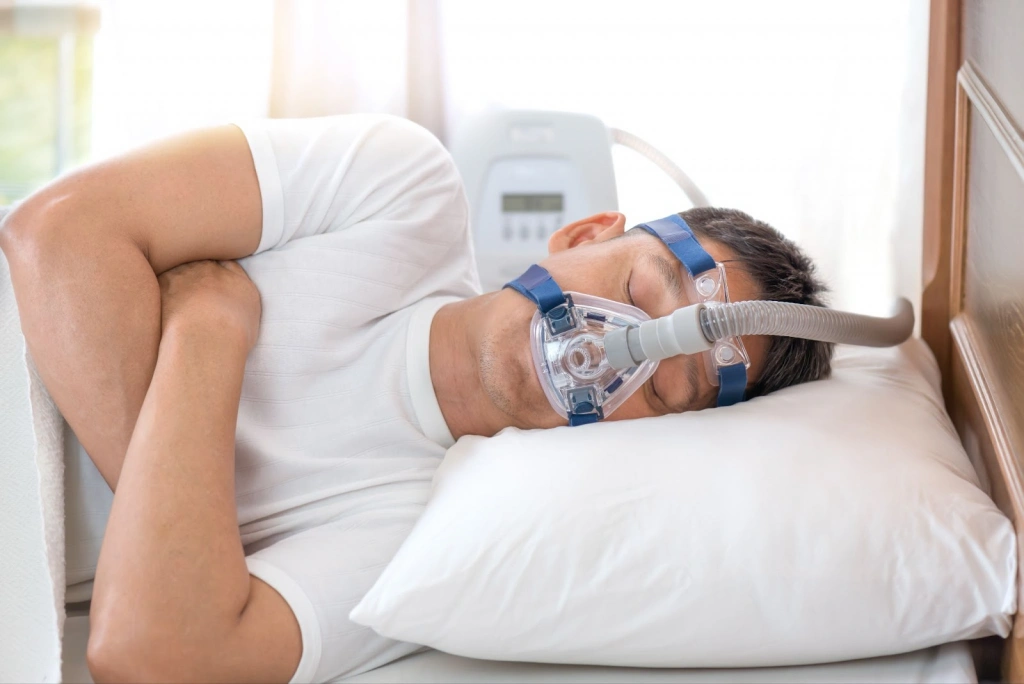
CPAP Machines: Continuous Positive Airway Pressure devices are particularly useful for patients with obstructive sleep apnea. They keep airways open during sleep.
-
Mandibular Advancement Devices (MADs): These oral appliances reposition the jaw and tongue to improve airflow and reduce snoring.
Surgical Interventions
For individuals with structural issues contributing to snoring, surgical options may be considered:
-
Uvulopalatopharyngoplasty (UPPP): Removes excess tissue from the throat to widen the airway.
-
Tonsillectomy and Adenoidectomy: Recommended for children or adults with enlarged tonsils or adenoids obstructing airflow.
-
Nasal Surgery: Correcting a deviated septum or removing nasal polyps can improve breathing and reduce snoring.
Evaluating and Monitoring Treatment
Before starting treatment, a thorough evaluation by a qualified specialist is essential. This may involve:
-
Sleep Studies: Monitoring breathing patterns, oxygen levels, and sleep quality to identify the severity of snoring or sleep apnea.
-
Physical Examination: Checking nasal passages, throat anatomy, and overall health.
-
Lifestyle Assessment: Understanding habits and contributing factors that may worsen snoring.
Regular follow-ups ensure that the chosen treatment is effective and allows adjustments if necessary. Continuous monitoring is particularly important for individuals using medical devices or undergoing surgical procedures.
Benefits of Snoring Treatment
Addressing snoring offers numerous benefits for both the patient and their loved ones:
-
Improved Sleep Quality: Patients often experience deeper, more restful sleep.
-
Enhanced Daytime Alertness: Reducing snoring and sleep disruptions can alleviate fatigue and improve cognitive function.
-
Better Health Outcomes: Effective treatment can reduce the risk of complications associated with obstructive sleep apnea, such as high blood pressure and heart disease.
-
Strengthened Relationships: Eliminating disruptive snoring improves the sleep quality of partners and family members.
Conclusion
Snoring is a condition that can impact health, sleep quality, and daily life. With a variety of treatment options available, ranging from lifestyle adjustments and oral devices to surgical interventions, individuals can find solutions tailored to their specific needs. Consulting a professional Snoring Treatment Singapore provider ensures expert evaluation, personalized care, and ongoing support to achieve effective results. By understanding the causes and exploring appropriate treatments, patients can enjoy better sleep, improved health, and enhanced overall well-being.