If you speak with any warehouse team long enough, you’ll hear the same story: most product damage doesn’t occur because something drastic went wrong. It happens because something minor was overlooked: a box that is slightly too weak, a gap left unfilled, or the tape that did not hold under pressure.
Secure packaging is not about wrapping everything in excessive layers. It is about understanding how goods actually travel. Parcels are stacked tightly in lorries. They shift during braking. They sit in storage areas where weight builds up from above. When businesses choose the right packaging materials from the beginning, they reduce the chances of those everyday pressures turning into costly problems.
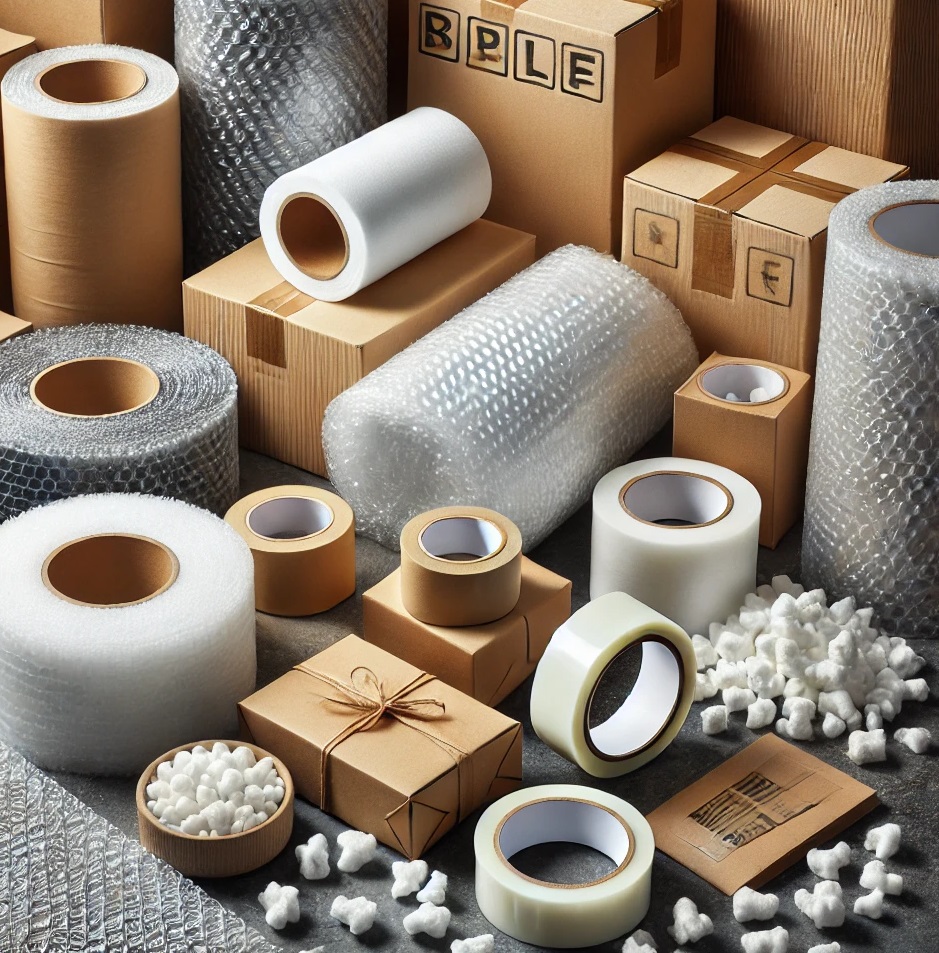
Whether a company needs to buy cardboard boxes regularly or source protective cushioning like large bubble wrap, the objective is simple: make sure the parcel arrives in the same condition it left the warehouse. Even details such as selecting a durable adhesive like vibac tape instead of standard tape can make a noticeable difference once cartons are stacked and moved.
Reliable packaging is built through practical decisions, not guesswork.
Why Is Secure Packaging Important for Businesses?
Secure packaging protects revenue as much as it protects products.
When goods arrive damaged, the impact goes beyond replacement costs. There is return shipping, handling time, customer service involvement, and, in many cases, reputational damage. In competitive markets, one poor delivery experience can influence future purchasing decisions.
From a logistics perspective, parcels face predictable risks:
- Downward pressure from stacking
- Side impact during loading
- Constant vibration in transit
If cartons are weak or poorly sealed, those forces quickly expose weaknesses. Businesses that invest in dependable packaging supplies experience fewer avoidable returns because their shipments are prepared for those routine stresses.
Secure packaging also improves operational efficiency. Fewer damaged goods mean fewer urgent reshipments and less disruption to workflow. Over time, consistent packaging standards reduce hidden costs that many companies fail to track.
What Supplies Help Businesses Secure Packages Effectively?
The right supplies create structure, stability, and protection. Each component plays a different role in keeping the contents safe.
Which Cartons Offer Reliable Structural Strength?
The outer carton carries the load of everything above it. When businesses buy cardboard boxes, strength ratings and board quality should guide the decision.
Double-walled corrugated cartons are often more suitable for heavier goods because they resist compression better than single-wall alternatives. Size selection is equally important. A poorly sized box either leaves too much space or places pressure on the edges.
Working with established cardboard box suppliers helps ensure consistent quality and accurate specifications. Reliable suppliers provide cartons designed to handle different weight capacities rather than one-size-fits-all solutions. A stable carton maintains its shape during stacking, reducing strain on its contents.
How Does Internal Cushioning Minimise Risk?
Cushioning prevents movement and absorbs shock. Without it, even sturdy cartons cannot protect fragile items.
Large bubble wrap is widely used because its air pockets distribute force evenly across surfaces. It is particularly effective for items with delicate finishes or sharp edges. When wrapped properly, a cushioned wrap reduces direct impact and limits friction between products.
Void-fill materials, such as kraft paper or corrugated inserts, also improve internal stability. The objective is straightforward: eliminate movement. If a sealed carton shifts when gently tilted, additional support is needed.
Internal stability is often what determines whether a shipment withstands vibration during transport.
Why Is Proper Sealing Critical to Shipment Security?
Sealing connects all packaging elements. Weak adhesive undermines even the strongest carton. High-quality adhesive solutions such as vibac tape provide firm bonding to corrugated surfaces and resist splitting under strain. In contrast, lower-grade tape may peel back when exposed to temperature changes or when subjected to pressure from stacking.
Experienced warehouse managers understand that secure sealing prevents cartons from opening at the seams. Once a seam weakens, the box loses structural integrity quickly. Sealing is not simply a finishing step. It is part of the structure itself.
How Can Businesses Choose the Right Supply Partner?
Packaging consistency depends heavily on supplier reliability. Established cardboard box suppliers offer clarity around board grades, weight limits, and delivery timelines.
When sourcing packaging materials, businesses should consider:
- Strength specifications
- Bulk ordering capability
- Stock consistency
- Delivery lead times
Having dependable access to materials ensures packaging standards remain stable even during busy periods. Long-term supplier relationships also allow businesses to forecast needs accurately and avoid last-minute compromises.
What Practical Steps Further Improve Packaging Security?
Supplies alone are not enough. Procedures matter.
- Use correct box dimensions: Oversized cartons increase internal shifting.
- Layer protection thoughtfully: Cushion fragile surfaces before filling voids.
- Inspect before dispatch: Check for weak seams or soft board areas.
- Store cartons properly: Damp conditions weaken the corrugated structure.
For particularly delicate or valuable items, double boxing provides an additional barrier against impact. Placing one sealed carton inside a second outer carton creates additional shock absorption.
These practices do not add complexity. They add reliability.
Conclusion
Businesses secure shipments effectively by combining strong materials with disciplined handling. Choosing durable packaging materials, sourcing cartons from reliable cardboard box suppliers, wrapping fragile goods with large bubble wrap, sealing securely with vibac tape, and making informed decisions when buying cardboard boxes all contribute to safer transit.
Secure packaging is rarely about dramatic measures. It is about small, consistent improvements that reduce risk over time. When businesses treat packaging as part of operational strategy rather than an afterthought, they protect not only their products but also their reputation and long-term profitability.