Electricity is an important part of our daily life. We use it for lighting, running machines, charging devices, and many other purposes. But have you ever wondered how electricity reaches your home from power plants? One of the most important components in this process is the distribution transformer.
A distribution transformer plays a key role in delivering safe and usable electricity to homes, shops, schools, and industries. Without it, the electricity supplied from power stations would be too strong and dangerous for everyday use. In this blog, we will understand how distribution transformers work and how they support local power supply in a simple and clear way.
What is a Distribution Transformer?
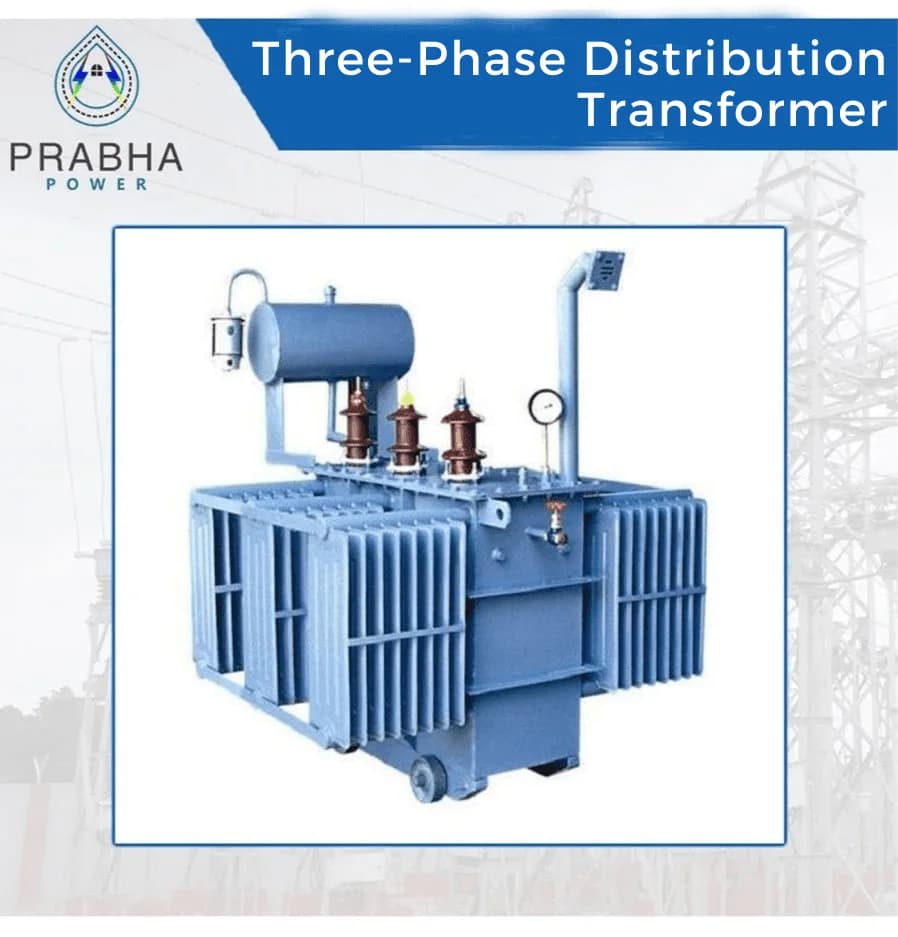
A distribution transformer is an electrical device that reduces high voltage electricity into lower voltage levels suitable for use in homes and businesses.
Electricity is generated at power plants at very high voltage. This high voltage helps in transmitting electricity over long distances without losing much energy. However, this high voltage cannot be used directly in homes. This is where a distribution transformer comes in.
It converts high voltage (like 11kV or more) into low voltage (like 230V or 440V), which is safe for daily use.
Why is Voltage Reduction Important?
High voltage electricity is dangerous and can damage appliances. It is also unsafe for human use. Lower voltage is required for:
- Running household appliances
- Lighting homes and streets
- Operating small businesses
- Powering schools and hospitals
Distribution transformers make sure that electricity is reduced to a safe level before it reaches end users.
How Does a Distribution Transformer Work?
The working of a distribution transformer is based on a simple principle called electromagnetic induction.
Here is how it works:
- Input Power (High Voltage)
Electricity from power lines enters the transformer at high voltage. - Primary Winding
The transformer has coils called windings. The high voltage current flows through the primary winding. - Magnetic Field Creation
This current creates a magnetic field inside the transformer core. - Secondary Winding
The magnetic field transfers energy to the secondary winding. - Output Power (Low Voltage)
The secondary winding produces electricity at a lower voltage, which is then supplied to homes and buildings.
This process is simple, efficient, and very important for power distribution.
Types of Distribution Transformers
Distribution transformers are available in different types based on their design and application.
1. Pole-Mounted Transformers
These transformers are installed on electric poles. They are commonly used in rural and semi-urban areas.
Features:
- Easy to install
- Suitable for small load areas
- Cost-effective
2. Pad-Mounted Transformers
These are installed on the ground inside secure enclosures.
Features:
- Safe for urban areas
- Less risk of accidents
- Used in residential colonies and commercial areas
3. Oil-Filled Transformers
These transformers use oil for cooling and insulation.
Features:
- Better cooling efficiency
- Longer life
- Used for high load areas
4. Dry-Type Transformers
These transformers do not use oil. They use air for cooling.
Features:
- Low maintenance
- Environment-friendly
- Safe for indoor use
Role of Distribution Transformer in Local Power Supply
Distribution transformers play a very important role in maintaining a reliable and stable electricity supply.
1. Voltage Conversion
They convert high voltage electricity into low voltage suitable for local use.
2. Power Distribution
They distribute electricity to multiple homes and buildings in a specific area.
3. Safety
They ensure that the voltage is safe for people and appliances.
4. Energy Efficiency
They reduce energy loss during the final stage of power delivery.
5. Load Management
They help manage the load by supplying electricity based on local demand.
Importance in Rural and Urban Areas
In Rural Areas
- Supply electricity to farms and homes
- Support irrigation systems
- Help in rural development
In Urban Areas
- Power residential buildings
- Support offices and industries
- Maintain stable electricity supply
Without distribution transformers, it would not be possible to provide electricity efficiently to different areas.
Benefits of Distribution Transformers
1. Reliable Power Supply
They ensure continuous electricity supply to local areas.
2. Safe Electricity Usage
They reduce voltage to safe levels, protecting people and devices.
3. Low Energy Loss
They are designed to minimize power loss during distribution.
4. Easy Maintenance
Modern transformers are easy to maintain and operate.
5. Long Service Life
With proper care, they can last for many years.
Challenges Faced by Distribution Transformers
Even though they are very useful, distribution transformers face some challenges:
1. Overloading
When too many devices use electricity at the same time, transformers can get overloaded.
2. Voltage Fluctuation
Irregular supply can affect transformer performance.
3. Weather Conditions
Rain, heat, and storms can damage transformers.
4. Maintenance Issues
Lack of proper maintenance can reduce efficiency.
5. Power Theft
Illegal connections can affect transformer load and performance.
Ways to Improve Transformer Performance
To ensure better performance of distribution transformers, the following steps can be taken:
1. Regular Maintenance
Checking oil levels, connections, and insulation regularly.
2. Load Monitoring
Keeping track of electricity usage to avoid overloading.
3. Use of Modern Technology
Smart transformers and monitoring systems improve efficiency.
4. Proper Installation
Installing transformers in safe and suitable locations.
5. Protection Systems
Using circuit breakers and fuses to protect transformers from damage.
Role in Smart Grids
Distribution transformers are also becoming a part of modern smart grids.
Smart grids use advanced technology to manage electricity supply more efficiently.
Benefits in Smart Grids:
- Real-time monitoring
- Better load management
- Quick fault detection
- Improved energy efficiency
This makes power supply more reliable and reduces power cuts.
Environmental Impact
Modern distribution transformers are designed to be environment-friendly.
Key Points:
- Use of eco-friendly insulating materials
- Reduced energy loss
- Lower carbon emissions
- Noise reduction
Dry-type transformers are especially safer for the environment as they do not use oil.
Future of Distribution Transformers
With the growing demand for electricity, distribution transformers are also evolving.
Future Trends:
- Smart transformers with digital monitoring
- Energy-efficient designs
- Integration with renewable energy sources
- Compact and lightweight models
These advancements will help improve electricity supply systems in the future.
Conclusion
A distribution transformer is one of the most important parts of the electrical system. It helps in delivering safe and usable electricity from power lines to homes, offices, and industries. Without it, the electricity we use daily would not be possible.
It plays a key role in voltage conversion, safety, energy efficiency, and reliable power distribution. Whether in rural villages or busy cities, distribution transformers ensure that electricity reaches every corner smoothly.
As technology improves, these transformers are becoming smarter, safer, and more efficient. They will continue to support growing energy needs and help build a better power system.
If you are looking for reliable and high-quality solutions, PRABHA POWER offers trusted products designed to support efficient and safe power distribution for modern needs.