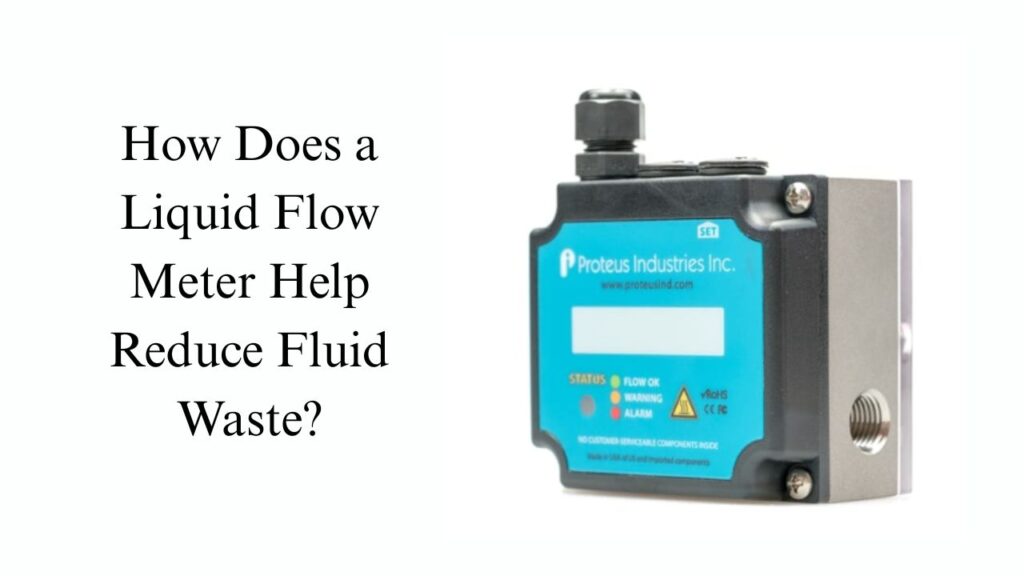
In industrial operations, fluid waste is more than an environmental concern it’s a significant financial drain that impacts profitability and sustainability. Every drop of wasted water, chemical, or oil translates to unnecessary expenses and inefficient processes. This is where liquid flow meters emerge as essential tools for modern industries. These precision instruments don’t just measure flow; they actively help organizations identify, monitor, and eliminate fluid waste. By providing accurate, real-time data on liquid consumption, flow meters enable businesses to optimize operations, achieve substantial cost savings, and promote environmental responsibility.
Understanding Liquid Flow Meters
A liquid flow meter is a sophisticated device that measures the volume or mass of fluid flowing through a pipe or system over a specific period. These instruments work by detecting various physical properties of the flowing liquid—such as velocity, pressure differential, or volumetric displacement—and converting these measurements into readable data.
Modern flow meters come in several types, including electromagnetic, ultrasonic, turbine, and positive-displacement meters, each suited to different applications and fluid types. What makes these devices invaluable is their ability to provide continuous, accurate measurements that form the foundation for waste reduction strategies. Unlike manual measurement methods that offer only periodic snapshots, flow meters deliver constant visibility into fluid usage patterns, enabling proactive management rather than reactive problem-solving.
Key Ways Flow Meters Reduce Waste
Real-Time Monitoring and Leak Detection
The primary advantage of liquid flow meters is their ability to provide real-time monitoring. By continuously tracking fluid flow rates, these devices can instantly detect anomalies that indicate leaks or unauthorized usage. When flow continues during periods when systems should be idle, or when flow rates exceed expected parameters, the meter alerts operators to potential problems. This immediate detection allows maintenance teams to address leaks before they escalate into major waste events, preventing thousands of gallons of fluid loss.
Precise Dosing and Dispensing
In manufacturing and chemical processing, precision is paramount. It ensure that exact quantities of liquids are dispensed for mixing, blending, or batching operations. This accuracy eliminates the common problem of over-dispensing, where excess fluid is wasted due to imprecise measurements. Whether it’s adding chemicals to a water treatment process or dispensing ingredients in food production, flow meters guarantee that only the required amount is used, eliminating the “just to be safe” overages that contribute to waste.
Process Optimization
Flow meters provide the data necessary to optimize entire production processes. By analyzing flow patterns over time, engineers can identify inefficiencies such as excessive flow rates, unnecessary cycling, or suboptimal process parameters. This data-driven approach enables continuous improvement, where processes are refined to use the minimum necessary fluid while maintaining quality standards. The result is a leaner operation that maximizes output while minimizing input.
Identifying System Inefficiencies
Beyond detecting leaks, flow meters reveal broader inefficiencies in the system. They can identify pumps operating below optimal efficiency, valves that don’t close completely, or sections of piping where flow restrictions cause waste. This diagnostic capability transforms flow meters from simple measurement tools into comprehensive system health monitors that guide strategic improvements.
Cost Savings and ROI
The financial impact of implementing liquid flow meters is substantial and measurable. Industries report waste reductions ranging from 15% to 30% after installing comprehensive flow measurement systems. These savings compound over time, as preventing waste directly reduces replacement fluid purchasing costs.
The return on investment for flow meter installation typically occurs within 12 to 24 months, after which the ongoing savings contribute directly to bottom-line profitability. Beyond financial considerations, reduced fluid waste reduces environmental impact, helping companies meet sustainability goals and regulatory requirements while building a positive brand reputation.
Advanced Features of Modern Flow Meters
Today’s liquid flow meters incorporate cutting-edge technologies that extend their waste-reduction capabilities far beyond traditional measurement.
IoT connectivity enables flow meters to communicate through industrial networks, cellular connections, or satellite links, providing data access from anywhere. Cloud-based monitoring platforms aggregate data from multiple locations, offering enterprise-wide visibility into fluid usage patterns and waste trends.
AI-powered analytics apply machine learning algorithms to flow data, automatically detecting subtle anomalies that human observers might miss. These systems learn normal patterns for each installation, then flag deviations that warrant investigation. Predictive algorithms forecast maintenance needs and optimize control strategies without human intervention.
Integration with enterprise resource planning (ERP) systems connects flow data directly to business systems, enabling automatic inventory updates, procurement triggers, and cost allocation. This integration ensures that waste reduction efforts align with broader business objectives and financial planning.
Conclusion
It represent a smart investment in operational efficiency and environmental stewardship. By providing accurate, real-time data on fluid usage, these instruments empower industries to identify waste, optimize processes, and achieve significant cost savings while reducing their environmental footprint.