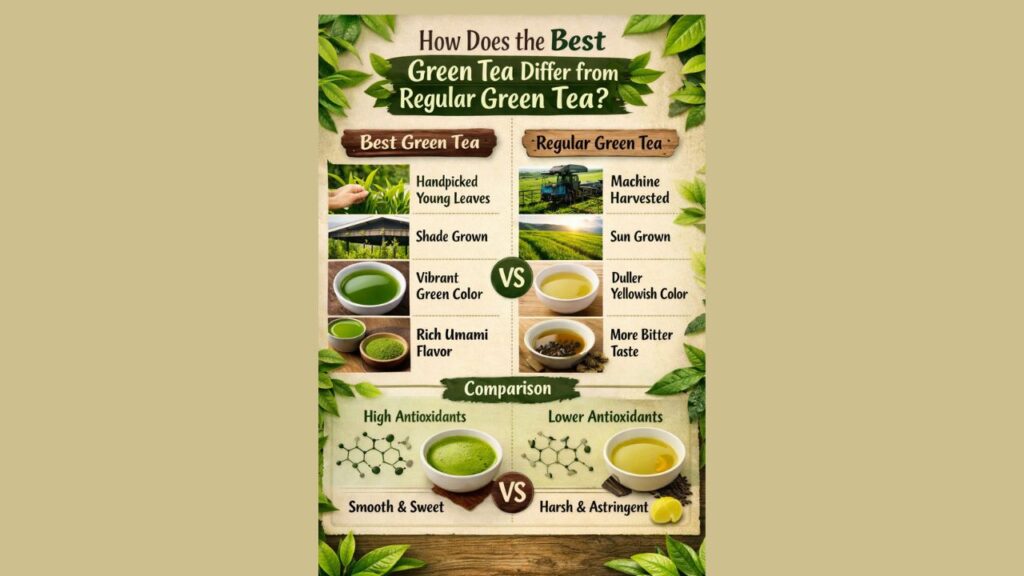
How Does the Best Green Tea Differ from Regular Green Tea?
Green tea has become a staple in wellness routines worldwide, celebrated for its remarkable health benefits and delicate flavor. However, not all green tea is created equal. Walk into any supermarket, and you’ll find shelves lined with countless options ranging from budget-friendly tea bags to premium loose-leaf varieties. This raises an important question: what truly separates the best green tea from regular, everyday options? Understanding these distinctions can transform your tea-drinking experience and help you make informed choices that align with your health goals and taste preferences.
Understanding Green Tea Basics
Before diving into quality differences, it’s essential to understand what makes green tea unique. Unlike black or oolong tea, green tea undergoes minimal oxidation during processing. Fresh leaves are quickly heated—either through steaming or pan-firing—to preserve their green color and delicate flavor compounds.
The journey from plant to cup significantly impacts the final product. Factors like harvest timing, processing speed, and handling methods all contribute to the tea’s quality. Premium green teas are typically harvested during the first flush of spring when leaves are youngest and most tender, containing higher concentrations of beneficial compounds and more nuanced flavors.
Key Differences Between Best and Regular Green Tea
Leaf Quality and Grade
The most fundamental difference lies in the leaves themselves. The best green tea uses whole, unbroken leaves or carefully selected buds, often hand-picked to ensure only the finest specimens make the cut. These premium leaves come from the top two leaves and bud of each branch—the most tender and flavorful part.
Regular green tea, particularly in tea bags, often contains broken leaves, fannings, or dust—the remnants of processing higher-grade teas. While still containing beneficial compounds, these smaller particles brew quickly, sometimes resulting in bitter or flat flavors.
Processing Techniques
Superior green teas undergo meticulous processing by skilled tea masters who control every variable—temperature, timing, and handling—with precision. Traditional methods like hand-rolling and careful drying preserve delicate flavor compounds and antioxidants.
Mass-produced regular green tea typically goes through mechanized processing designed for efficiency rather than optimal quality. This can lead to inconsistent results and potentially degrade some of the tea’s beneficial properties.
Freshness and Storage
Premium tea producers understand that green tea is essentially a fresh product. The best green tea is packaged shortly after processing in airtight, light-blocking containers to preserve its vibrant color, aroma, and nutritional content. Many specialty retailers provide harvest dates, allowing consumers to choose the freshest batches.
Regular green tea may sit in warehouses for extended periods, sometimes in suboptimal conditions. Exposure to air, light, and moisture gradually diminishes both flavor and health benefits, leaving you with a stale, lackluster brew.
Source and Terroir
Just as wine enthusiasts speak of terroir, tea connoisseurs recognize that growing conditions profoundly impact quality. The best green teas often come from renowned regions like Shizuoka in Japan, the mountains of Darjeeling, or the misty highlands of China, where soil composition, altitude, and climate create ideal conditions.
These premium growing regions typically maintain strict cultivation standards, avoiding pesticides and chemical fertilizers. Regular green teas may be sourced from multiple locations and blended for consistency rather than exceptional quality.
Flavor Profile
Premium green tea offers a complex, nuanced experience with layers of flavor—sweet, umami, vegetal, or floral notes that evolve with each sip. The liquor should be clear with a natural sweetness that requires no additions.
Regular green tea tends toward one-dimensional flavors, often with pronounced bitterness or grassiness, sometimes requiring sweeteners to mask harsh notes. The difference is immediately apparent to anyone who compares them side by side.
Health Benefits Concentration
While all green tea contains catechins, polyphenols, and amino acids like L-theanine, concentration matters. Premium green teas harvested at optimal times and processed carefully retain higher levels of these beneficial compounds. Studies suggest that quality directly correlates with antioxidant content—making the best green tea not just a luxury but a more effective health choice.
How to Identify the Best Green Tea
Recognizing quality green tea becomes easier once you know what to look for. Visually, premium leaves should appear vibrant green, uniform in size, and intact rather than broken. The dry leaves should have a fresh, sweet aroma reminiscent of the sea or fresh-cut grass—never musty or hay-like.
When brewed, superior green tea produces a clear, pale green or golden liquor without cloudiness. The taste should be smooth and naturally sweet with minimal astringency. Quality packaging includes specific harvest information, origin details, and proper storage—usually in opaque, airtight containers.
Pay attention to price as well; while expensive doesn’t always mean better, extremely cheap green tea often reflects compromises in quality somewhere along the supply chain.
Health Benefits Comparison
The health advantages of green tea are well-documented, but potency varies significantly. Premium varieties typically contain 20-30% higher concentrations of EGCG (epigallocatechin gallate), the powerhouse antioxidant responsible for many of green tea’s benefits, from metabolism support to cellular protection.
Additionally, the best green teas maintain higher levels of L-theanine, promoting calm alertness and enhanced cognitive function. When investing in green tea for health reasons, quality becomes paramount.
Conclusion
The difference between the best green tea and regular varieties extends far beyond price. From cultivation and processing to freshness and flavor complexity, premium green tea offers a superior experience in every cup. While regular green tea certainly has its place, understanding these distinctions empowers you to choose wisely based on your priorities, whether that’s maximum health benefits, exceptional taste, or simply a more mindful tea ritual.