ERP Software
Small and medium-sized enterprises (SMEs) form the backbone of Pakistan’s economy. These businesses contribute significantly to employment, innovation, and economic growth. However, many SMEs face operational challenges such as fragmented processes, limited resources, and inefficient workflows. Enterprise Resource Planning (ERP) systems have emerged as a transformative solution, enabling SMEs to streamline operations, improve productivity, and compete effectively in today’s fast-paced market. This article explores how ERP systems enhance efficiency for SMEs in Pakistan and why implementing the right solution is critical for business growth.
What Is ERP Software?
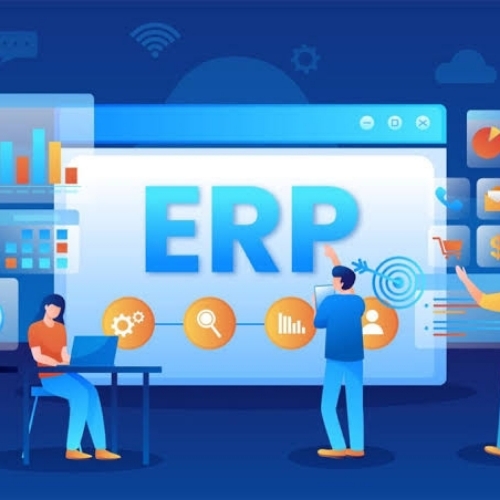
ERP, or Enterprise Resource Planning, is a software solution that integrates key business functions into a centralized platform. These functions typically include finance, accounting, human resources, inventory management, procurement, sales, supply chain management, and customer relationship management (CRM). By providing a unified system, ERP allows businesses to manage operations efficiently, reduce errors, and access real-time data for better decision-making.
For SMEs in Pakistan, ERP software acts as a growth enabler by automating repetitive tasks, optimizing workflows, and providing actionable insights.
Key Ways ERP Improves Efficiency for SMEs
1. Streamlined Operations
One of the most significant efficiency benefits of ERP systems is the ability to streamline business operations. SMEs often use multiple standalone systems for different departments, leading to duplication of effort and communication gaps.
ERP software consolidates all business processes into a single platform. For example, when a sales order is generated, the system automatically updates inventory, triggers procurement if needed, and records financial transactions. This reduces manual intervention, eliminates errors, and speeds up operations.
2. Real-Time Data and Reporting
ERP systems provide SMEs with real-time insights into their operations. Centralized data allows managers to monitor key performance indicators (KPIs), track inventory, manage cash flow, and analyze sales trends.
In Pakistan, where SMEs need to make quick decisions in a competitive market, real-time reporting ensures that managers can respond promptly to changes in demand, supply chain disruptions, or financial performance issues.
3. Improved Financial Management
For SMEs, managing finances efficiently is critical to sustainability. ERP software automates accounting processes, including invoicing, expense tracking, payroll, and tax compliance.
Automation reduces the likelihood of errors, ensures accurate financial records, and provides detailed reports for planning and decision-making. This efficiency frees up valuable time for finance teams to focus on strategic activities rather than repetitive bookkeeping tasks.
4. Optimized Inventory and Supply Chain
Many SMEs in Pakistan face challenges with inventory management, such as overstocking, stockouts, and inefficient procurement. ERP systems address these issues by providing real-time visibility into inventory levels and supplier performance.
ERP software enables businesses to maintain optimal stock levels, forecast demand accurately, and plan procurement efficiently. This reduces waste, cuts costs, and ensures that products are available when customers need them.
5. Enhanced Customer Relationship Management
Customer satisfaction is essential for SME growth. ERP systems with integrated CRM modules allow businesses to manage leads, track customer interactions, and process orders seamlessly.
By maintaining accurate customer data and tracking communication, SMEs can provide timely support, improve service quality, and build long-term customer relationships, ultimately driving sales and revenue.
6. Automation of Routine Tasks
ERP software automates routine and repetitive processes, such as order processing, payroll calculations, and report generation. Automation reduces manual effort, minimizes errors, and ensures consistent operations.
For SMEs, this means employees can focus on high-value activities such as business development, marketing, and innovation rather than spending time on administrative tasks.
Challenges SMEs May Face
While ERP systems offer many benefits, SMEs may encounter challenges during implementation:
- Cost Concerns: Initial investment and maintenance costs can be significant.
- Employee Resistance: Staff may be reluctant to adopt new systems.
- Data Migration: Moving existing data into the ERP system requires careful planning.
- Customization Needs: SMEs often need modules tailored to their unique processes.
Partnering with an experienced ERP provider like TrueAccounts can help SMEs overcome these challenges. Professional guidance ensures smooth implementation, employee training, and ongoing support, maximizing the system’s benefits.
Best Practices for SMEs Implementing ERP
- Assess Needs: Identify critical business processes that require automation.
- Choose the Right ERP Solution: Select software that is scalable, user-friendly, and industry-appropriate.
- Plan Implementation: Map workflows, clean data, and plan deployment phases carefully.
- Train Employees: Ensure all staff members are trained to use the system efficiently.
- Monitor and Optimize: Continuously track performance and adjust workflows as needed.
Following these steps ensures that SMEs can fully leverage ERP systems to enhance productivity and efficiency.
Conclusion
ERP systems have become essential for SMEs in Pakistan looking to improve efficiency, reduce operational costs, and gain a competitive advantage. By integrating core processes, automating routine tasks, and providing real-time data insights, ERP software enables SMEs to operate more effectively and make informed business decisions. Partnering with trusted ERP providers like TrueAccounts ensures successful implementation, employee training, and ongoing support. For SMEs aiming to streamline operations and grow sustainably, investing in ERP software Pakistan is a strategic step toward enhanced productivity, improved customer satisfaction, and long-term business success.