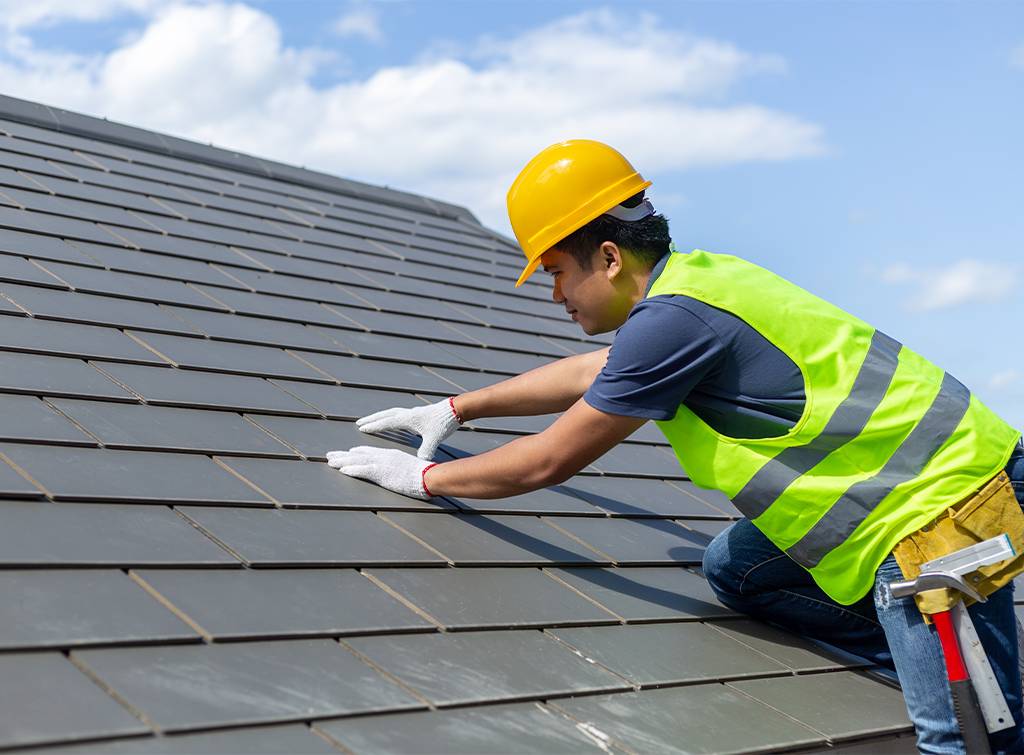
Installing a new roof is one of the most important improvements a property owner can make. The time required for a New Roofing Installations in Birmingham depends on several factors, including roof size, material type, structural condition, and, most importantly, the season in which the work is carried out. Weather conditions directly affect installation speed, safety, and material performance.
Spring Roofing Installations
Spring is often considered one of the most favorable seasons for new roofing installations. Moderate temperatures and relatively stable weather allow roofers to work efficiently without the extremes of heat or cold. During this season, a standard residential roofing installation usually takes between three to seven days, depending on complexity.
However, spring also brings unpredictable rain showers. While light rain may only cause short delays, persistent wet conditions can slow progress, especially during the removal of old roofing materials. Roofers must ensure surfaces are completely dry before installing underlayment and shingles to prevent moisture-related issues. Despite these occasional interruptions, spring remains a popular choice because materials settle properly and adhesives cure at a steady pace.
One factor that may extend installation time in spring is contractor availability. Many homeowners schedule projects after winter damage becomes visible, which can lead to higher demand. While the actual installation time remains efficient, scheduling the project may take longer due to fully booked roofing companies.
Summer Roofing Installations
Summer is the busiest season for roofing installations, largely because of long daylight hours and generally dry weather. In ideal conditions, a new roof can often be installed faster than in other seasons, sometimes within two to five days for standard homes.
However, extreme heat can impact both workers and materials. High temperatures may require roofing crews to take more frequent breaks for safety reasons, especially when working on dark-colored roofs that absorb heat. Certain roofing materials, such as asphalt shingles, can become overly soft in extreme heat, requiring careful handling to avoid damage during installation.
In very hot climates, roofers may start earlier in the morning and pause work during peak afternoon heat. While this approach ensures safety and quality, it may slightly extend the overall project timeline. Despite this, summer remains an efficient season overall, particularly in regions with stable, dry weather patterns.
Autumn Roofing Installations
Autumn is widely regarded as the best season for new roofing installations. Cooler temperatures, lower humidity, and minimal rainfall create ideal working conditions. During this season, most roofing projects are completed within three to six days.
Roofing materials perform exceptionally well in autumn. Shingles seal properly, adhesives cure evenly, and crews can work comfortably throughout the day. These conditions allow for consistent progress without the frequent weather disruptions seen in other seasons.
That said, autumn is also a peak period for roofing companies. Many homeowners rush to complete installations before winter arrives, which can affect scheduling availability. While the actual installation time remains efficient, advance booking is often necessary. Additionally, as daylight hours shorten toward late autumn, workdays may be slightly reduced, but this typically does not cause major delays.
Winter Roofing Installations
Winter roofing installations are less common but still possible, particularly for urgent replacements or in regions with mild winters. Installation timelines during winter are generally longer, often ranging from one to two weeks for a standard roof.
Cold temperatures affect both materials and labor. Asphalt shingles become brittle in freezing conditions, requiring extra care during installation to prevent cracking. Sealants and adhesives also take longer to cure, which may slow progress. Snow, ice, and frost create safety hazards, sometimes forcing work to pause until conditions improve.
Despite these challenges, experienced roofing professionals can still complete installations during winter by using specialized techniques and materials designed for cold weather. While winter installations take longer, they can be necessary when roof damage threatens structural integrity or interior safety.
Factors That Affect Installation Time in Every Season
While seasonal conditions play a major role, other factors also influence how long a new roofing installation takes. Roof size and pitch significantly impact timelines; larger or steeper roofs require more time and safety precautions. The type of roofing material, such as metal, tile, slate, or asphalt shingles, also affects duration, as some materials require specialized installation processes.
Structural repairs discovered during removal of the old roof can extend timelines in any season. Rotten decking, damaged rafters, or insulation issues must be addressed before new materials are installed.
Conclusion:
The time required for a new roofing installation varies throughout the year, largely due to seasonal weather conditions. Understanding how each season affects the process allows homeowners to make informed decisions, minimize delays, and ensure a durable, high-quality roof installation that protects their property for years to come. If you have a commercial project and want to hire Commercial Roofers Birmingham, this guide will help you.


