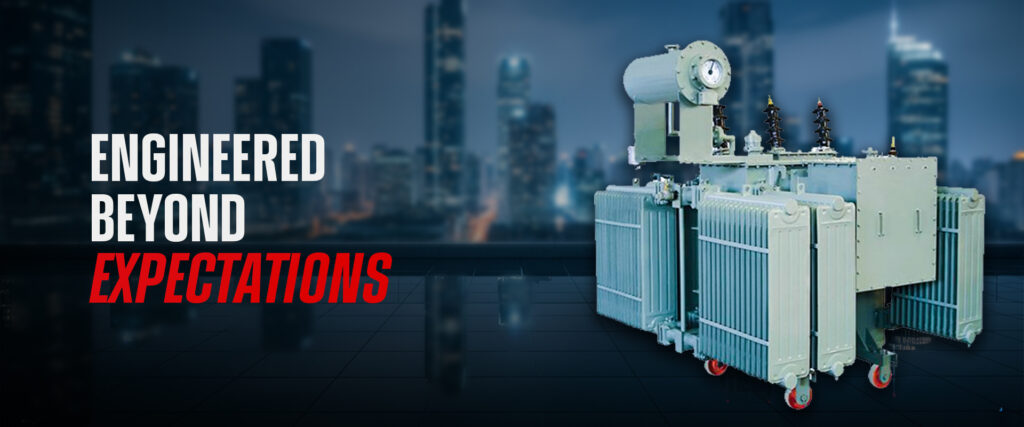
The fast growth of solar energy has come with new electrical infrastructure requirements. The core of this system will be transformers, which are specifically solar-oriented. Solar transformer manufacturers are really important in ensuring that the power generated is efficiently converted, transferred and integrated into the grid.
Understanding the Role of Solar Transformers
Converting Power for Grid Compatibility
Solar panels produce direct current (DC) electricity, and the majority of power grids use alternating current (AC). Transformers are used together with inverters to increase the levels of voltage so that the electricity can be transmitted over long distances.
Enabling Efficient Power Transmission
Lack of adequate conversion of voltages can result in huge energy wastage. By maximizing voltage levels according to the needs of the project, solar transformers minimize the transmission losses.
Strengthening Renewable Energy Infrastructure
Supporting Large-Scale Solar Projects
Solar farms can be utility scale, relying on large capacity transformers to process large amounts of electricity. Solar transformer manufacturers build them robust enough to handle the changing loads and performance in changing environmental conditions.
Facilitating Grid Integration
A key issue with renewable energy is the need to integrate smoothly with other power grids. Solar transformers aid in the stability of voltages and enable the synchronization of solar-generated electricity to the supply in the grid.
Driving Technological Advancements
High-Efficiency Designs
Manufacturers are concentrating on minimizing the energy losses by creating better core materials and by using new winding methods. This contributes to the high efficiency of the whole system.
Smart Monitoring and Diagnostics
Digital monitoring systems are now available in many manufacturers. The features enable the operators to monitor performance, identify faults in the initial stages, and minimize downtime.
Ensuring Reliability and Durability
Designed for Harsh Environments
Solar facilities are normally in remote or hot locations. To assure long-term performance, manufacturers develop transformers that have heavy insulation and cooling systems.
Compliance with Industry Standards
The compliance with the national and international standards also guarantees safety, reliability and compatibility between various solar installations.
Supporting Cost Optimization
Reducing Operational Losses
The cost of energy generation is directly related to the efficient design of transformers. Reduction in losses will mean increased returns to solar project developers.
Minimizing Maintenance Requirements
Quality production decreases the necessity to upkeep the production as often, which minimizes the operational costs in the long run.
Conclusion
Solar transformer manufacturers are not just equipment suppliers. They are the major facilitators of renewable energy expansion. They contribute to developing a stable and efficient solar power ecosystem through innovation, quality engineering, and sustainable practices. Their importance in terms of clean energy will only keep them in the limelight of creating scalable solar infrastructure as the need to implement clean energy rises.