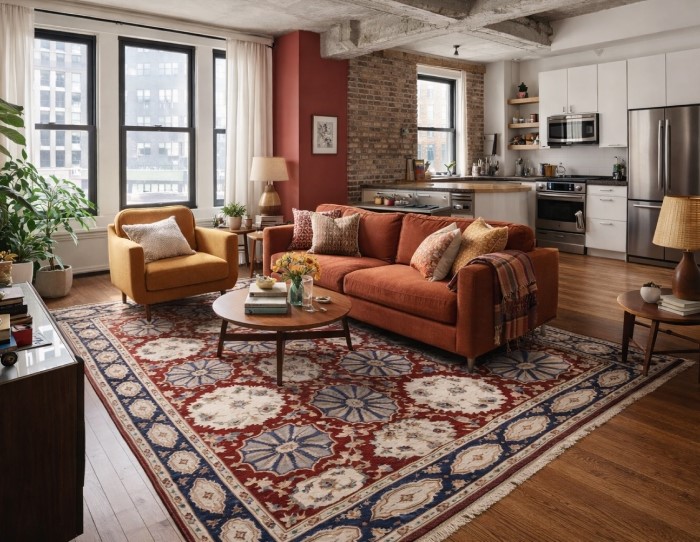
Creating a Dining Space That Feels Complete and Inviting
A dining area does more than host meals. It becomes the backdrop for conversations, celebrations, homework sessions, and late night cups of tea. Every design choice in this space influences how it feels to gather around the table. Chairs, lighting, and wall décor often get the most attention, yet one essential element quietly anchors the entire room beneath your feet.
Texture, warmth, and balance all come together through thoughtfully chosen rugs for dining area. The right piece can soften hard flooring, reduce noise, and visually frame your table so the space feels intentional rather than improvised. When selected carefully, a rug transforms a simple dining setup into a cohesive and welcoming environment.
Why a Rug Changes Everything
Hard surfaces like timber, tile, or polished concrete may look sleek, but they can sometimes feel cold or echoey. A rug introduces warmth and absorbs sound, making conversations feel more intimate. That subtle hush underfoot can make everyday meals feel calmer and more comfortable.
Beyond comfort, rugs define zones. Open plan homes often blur the lines between kitchen, living, and dining spaces. Placing a generously sized rug under the dining table creates a visual boundary, signaling that this area serves a specific purpose. It’s a simple design trick that adds structure without the need for walls.
There is also a strong psychological component to texture. Designers often discuss how layering textiles creates emotional warmth, a principle that echoes ideas found in Danish hygge lifestyle philosophy. Adding softness under the dining table contributes to that sense of coziness people naturally gravitate toward.
Choosing the Right Size and Shape
Size matters more than many homeowners realize. A rug that is too small will look awkward and can cause chairs to catch on the edges when pulled out. Ideally, the rug should extend at least 60 to 70 centimeters beyond the table on all sides. This ensures chairs remain fully on the rug even when guests are seated.
Shape should complement the table. Rectangular tables pair naturally with rectangular rugs, while round tables look balanced atop circular designs. An oval rug can soften a room filled with sharp lines, creating a subtle contrast that feels curated rather than rigid.
Material Matters More Than You Think
Dining areas are high traffic zones prone to spills and crumbs. Durability should guide your choice of material. Flat weave rugs are often easier to clean and less likely to trap debris. Wool offers resilience and natural stain resistance, while synthetic blends can provide affordability and low maintenance benefits.
Pile height is another key factor. A low pile surface allows chairs to move smoothly and reduces wear. Thick shag styles may feel luxurious, but they are rarely practical beneath a dining table where movement is constant.
Colour and Pattern for Practical Beauty
Light colours can brighten a room but may reveal stains more easily. Darker tones or patterned designs are often more forgiving. Pattern, in particular, serves a dual purpose. It adds personality while disguising minor spills or wear over time.
If your dining chairs or table are visually bold, a neutral rug can ground the space. On the other hand, if your furniture is understated, a patterned rug can become the room’s focal point. Balance is the key. Consider how the rug interacts with wall colours, artwork, and flooring so everything works together harmoniously.
Layering for Depth and Dimension
Layering rugs has grown in popularity as a way to add depth. A large neutral base rug can anchor the space, while a smaller patterned rug on top introduces character. This technique works particularly well in larger dining rooms where you want to prevent the area from feeling flat or empty.
Layering also offers flexibility. If tastes change or seasons shift, swapping the top layer is far easier than replacing a large foundational piece.
Maintenance and Longevity
A dining rug should be rotated periodically to ensure even wear. Promptly addressing spills helps maintain its appearance and lifespan. Many modern rugs are designed with easy care in mind, making them more practical for busy households than ever before.
Regular vacuuming prevents dirt from embedding into fibres. For households with children or pets, choosing a washable or stain resistant option can significantly reduce stress around inevitable accidents.
Bringing Comfort and Style Together
Thoughtful design is rarely about one dramatic statement. Instead, it’s about small, intentional choices that build upon one another. A dining rug supports the table visually, softens the room acoustically, and enhances comfort physically. It plays a subtle yet powerful role in shaping the overall experience of the space.
When carefully chosen, a rug does more than decorate the floor. It invites people to linger a little longer, share another story, and enjoy the comfort of gathering together. By considering size, material, colour, and practicality, you can select a piece that elevates your dining area and makes it feel truly complete.