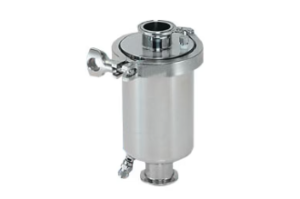
Let’s be real for a second. A bag filter housing isn’t exciting equipment. Nobody brags about it. But if it’s neglected, it will absolutely wreck efficiency across an entire system. I’ve seen it happen more times than I can count. Pressure drops creep up, flow rates dip, operators blame the pump, the fluid, the moon cycle. Truth is, the housing just hasn’t been looked at in months. Maintenance isn’t glamorous, but it’s the difference between smooth operation and a slow, expensive mess. And no, you don’t need a perfect checklist. You need consistency and some mechanical common sense.
Start With Knowing What You’re Dealing With
Before touching a wrench, understand the housing itself. Sounds obvious, but it’s skipped constantly. Size, pressure rating, material, sealing method. All of it matters. A stainless unit behaves differently than carbon steel. High-pressure setups don’t forgive sloppy reassembly. Look at how the lid seals. Is it swing-bolt, eye-bolt, clamp style? Each one fails differently when ignored. The short answer is this: if you don’t know how your housing is built, you won’t know when something’s wrong. Spend five minutes reading the specs. That alone saves hours later.
Inspection Isn’t Optional, It’s the Job
You don’t need lab coats or clipboards. Just eyes and a little honesty. Check the housing exterior first. Any dents, corrosion, weeping seams, stains that weren’t there before. Inside matters more. Pull the bag. Look at the basket. If it’s bent or cracked, flow is already compromised. Check the sealing surface. A nick there can cause bypassing and nobody notices until contamination shows up downstream. Inspections don’t need to be daily, but they need to be regular. Skipping them is basically gambling with uptime.
Bag Changes: Timing Beats Guesswork
Here’s where people get lazy. Bags get changed when pressure alarms scream or when flow drops so bad it can’t be ignored. That’s too late. Track differential pressure and change bags before they clog solid. Overloaded bags stress the housing, seals, and baskets. Plus, clogged media can collapse, sending debris straight through. Not ideal. Stick to pressure-based changeouts, not calendar guesses. Different fluids load differently. Dirt doesn’t read schedules. Pay attention to what the system is telling you, not what last month’s log says.
Cleaning the Housing Without Causing Damage
Aggressive cleaning sounds productive. It’s usually not. Scraping sealing surfaces, wire-brushing baskets, blasting with whatever solvent is nearby. Bad habits. Clean gently. Remove residue without altering surfaces. Pay special attention to the bottom of the housing where solids collect and harden. That buildup restricts flow and messes with bag seating. Rinse thoroughly. Leftover cleaner can contaminate the process fluid. Slow and careful beats fast and careless every time. Maintenance damage is still damage, even if it’s well-intended.
Watch the Seals Like a Hawk
Gaskets and O-rings don’t fail loudly. They fail quietly, then suddenly everything leaks. Inspect seals every time the housing is opened. Flattened, brittle, nicked, replace them. Don’t stretch old seals to “make them work one more time.” That never works. Also, use the right material. Chemical compatibility matters more than people think. A cheap gasket swelling inside the groove will cause uneven compression and bypass. This is especially critical in systems tied into hydraulic filters, where clean fluid isn’t optional, it’s survival.
Pressure, Flow, and the Middle Ground
Running a housing at max pressure all the time isn’t efficient. It’s stressful. Design limits are not comfort zones. Keep operating conditions reasonable. Sudden spikes indicate restriction or improper bag installation. Flow surging usually points to bypass or collapsed media. Monitor trends, not just alarms. Subtle changes over weeks tell you more than one loud failure. In systems where hydraulic filters share the circuit, stable pressure matters even more. Inconsistent flow beats up valves, pumps, and everything expensive downstream.
Documentation That Actually Helps
I know, paperwork. Nobody loves it. But simple notes go a long way. Bag type used. Changeout pressure. Any damage seen. You don’t need a novel. Just patterns. If the same housing keeps clogging early, something upstream changed. If seals fail repeatedly, maybe alignment is off. Documentation turns maintenance from reactive to predictive. And predictive saves money. Every time. This stuff pays off quietly, which is why people forget it works.
Conclusion
Maintaining a bag filter housing isn’t about perfection. It’s about paying attention. Regular inspections. Smarter bag changes. Gentle cleaning. Seal awareness. Stable operating conditions. Do those things and efficiency stays high without drama. Ignore them and problems pile up fast. Especially in systems connected to hydraulic filters, where contamination spreads quickly and fixes cost more. The truth is simple. Equipment doesn’t fail randomly. It gives signs. Maintenance just means you’re listening before it starts shouting.