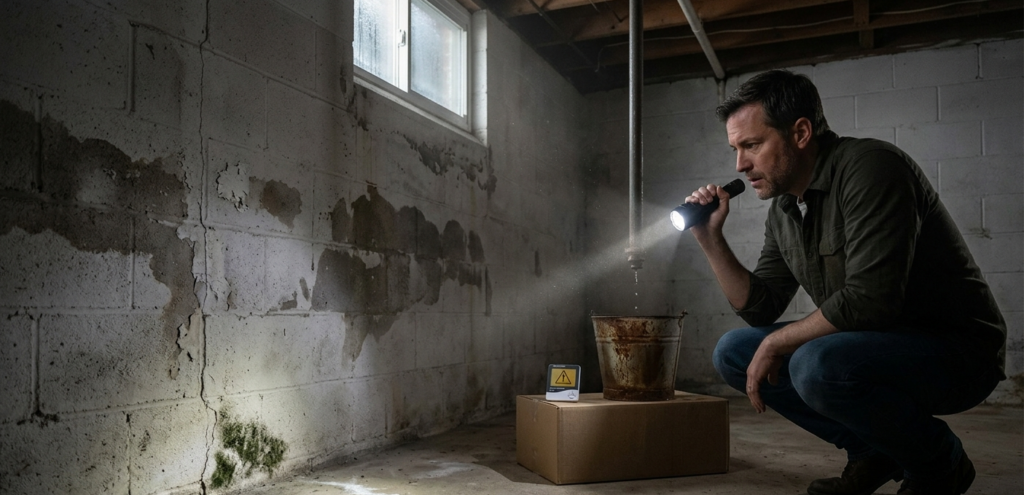
A basement is often one of the most overlooked areas of a home—out of sight, out of mind. Yet, it plays a critical role in your property’s structural integrity, indoor air quality, and overall value. While obvious flooding or standing water is easy to identify, hidden water problems can quietly develop over time, causing extensive damage before you even realize something is wrong.
Detecting these hidden issues early can save you thousands in repairs and protect your home from long-term structural damage. In this comprehensive guide, we’ll walk you through the subtle warning signs, underlying causes, and practical ways to identify whether your basement has a hidden water problem.
Why Hidden Basement Water Problems Are So Dangerous
Unlike visible leaks or flooding, hidden water problems are insidious. They develop slowly, often behind walls, under flooring, or within the foundation. Over time, this moisture can:
- Weaken your home’s structural components
- Promote mold and mildew growth
- Damage stored belongings
- Lower indoor air quality
- Reduce property value
Because these issues are not immediately visible, homeowners tend to ignore early warning signs—until the damage becomes severe.
Common Causes of Hidden Basement Water Issues
Before identifying the signs, it’s important to understand what causes hidden moisture problems in the first place.
1. Poor Drainage Around the Home
If your yard slopes toward your house instead of away from it, water can accumulate near the foundation. Over time, this water seeps into cracks and porous materials.
2. Foundation Cracks
Even small cracks in your basement walls or floor can allow water to enter. These cracks may not always be visible, especially if they’re behind finished walls.
3. Faulty Gutters and Downspouts
Clogged or improperly directed gutters can dump water right next to your foundation, increasing the risk of seepage.
4. Hydrostatic Pressure
When the soil around your home becomes saturated, it creates pressure against your basement walls. This pressure forces water through even the smallest openings.
5. Condensation Issues
High humidity levels in the basement can lead to condensation on walls and pipes, mimicking or contributing to water problems.
Key Signs Your Basement Has a Hidden Water Problem
Even if you don’t see standing water, your basement may still be at risk. Here are the most important indicators to watch for:
1. Musty Odors
One of the earliest and most noticeable signs is a persistent musty smell. This odor is typically caused by mold or mildew growing in damp, hidden areas.
If your basement smells earthy or damp—even when it looks dry—it’s a strong indication that moisture is present somewhere.
2. Mold or Mildew Growth
Mold thrives in dark, damp environments, making basements the perfect breeding ground. You might notice:
- Black, green, or white spots on walls
- Mold growth on wooden surfaces or stored items
- Peeling paint or wallpaper
Even small patches of mold can signal a much larger hidden moisture problem.
3. Efflorescence on Walls
Efflorescence is a white, chalky residue left behind when water evaporates from concrete or masonry surfaces.
While it may look harmless, it’s a clear sign that water has been entering your basement walls and leaving mineral deposits behind.
4. Damp or Humid Air
If your basement feels unusually humid or sticky, it could indicate excess moisture in the air.
You might notice:
- Condensation on windows
- Moisture on pipes
- A general clammy feeling
Using a hygrometer can help you measure humidity levels. Anything above 60% is a red flag.
5. Warped or Damaged Materials
Water can cause significant damage to building materials over time. Watch for:
- Warped wooden beams or flooring
- Cracked or bubbling paint
- Deteriorating drywall
These changes often occur gradually, making them easy to overlook.
6. Rust on Appliances and Fixtures
If you have appliances like a water heater or furnace in your basement, check for rust or corrosion.
Excess moisture in the air accelerates rust formation, which can shorten the lifespan of your equipment.
7. Stains or Discoloration
Water stains on walls, ceilings, or floors are a clear sign of past or ongoing moisture issues.
These stains may appear as:
- Yellow or brown patches
- Darkened concrete
- Uneven discoloration
Even if the area feels dry now, the stain indicates that water has been present.
8. Peeling Paint or Wallpaper
When moisture seeps into walls, it can cause paint and wallpaper to lose adhesion.
If you notice bubbling, peeling, or flaking surfaces, it’s often due to hidden water behind the walls.
9. Cracks in Walls or Floors
Not all cracks are caused by water, but they can allow water to enter your basement.
Pay close attention to:
- Horizontal cracks (more serious)
- Expanding or widening cracks
- Cracks with moisture or staining around them
These could indicate both structural issues and water intrusion.
10. Increased Pest Activity
Damp environments attract pests such as termites, cockroaches, and rodents.
If you’re noticing more pests in your basement, it could be due to hidden moisture creating a hospitable environment.
How to Inspect Your Basement for Hidden Water Problems
A thorough inspection can help you detect issues early. Here’s a step-by-step approach:
Step 1: Check Walls and Floors
Look closely for:
- Cracks
- Stains
- Efflorescence
Use a flashlight to inspect corners and hard-to-reach areas.
Step 2: Inspect Around Windows and Doors
Basement windows are common entry points for water. Check for:
- Water stains
- Rotting wood
- Gaps or poor sealing
Step 3: Examine Plumbing Fixtures
Leaks from pipes can mimic groundwater issues. Look for:
- Dripping pipes
- Corrosion
- Damp insulation
Step 4: Monitor Humidity Levels
Use a hygrometer to track humidity over time. Consistently high levels indicate a moisture problem.
Step 5: Conduct a Plastic Sheet Test
Tape a piece of plastic to your basement wall and leave it for 24–48 hours.
- If moisture forms on the outside, it’s likely condensation
- If moisture forms behind it, water is seeping through the wall
Long-Term Risks of Ignoring Hidden Water Problems
Ignoring these warning signs can lead to serious consequences:
Structural Damage
Water can weaken your foundation, leading to cracks, shifting, and even collapse in extreme cases.
Health Issues
Mold spores can trigger allergies, asthma, and respiratory problems.
Reduced Property Value
A damp or damaged basement can significantly lower your home’s resale value.
Increased Repair Costs
The longer you wait, the more expensive the repairs become.
When to Call a Professional
While minor issues can sometimes be addressed with DIY solutions, hidden water problems often require expert evaluation.
Consider seeking professional help if:
- You notice recurring moisture issues
- Mold keeps returning after cleaning
- Cracks are expanding
- You’re unsure of the source of the problem
A professional inspection can identify the root cause and recommend effective solutions.
Preventing Hidden Basement Water Problems
Prevention is always better than cure. Here are some proactive steps you can take:
Improve Exterior Drainage
Ensure your yard slopes away from your home and that gutters and downspouts direct water at least 5–10 feet away from the foundation.
Seal Cracks and Openings
Use waterproof sealants to close any visible cracks in your basement walls and floors.
Install a Dehumidifier
Maintaining proper humidity levels can prevent condensation and mold growth.
Maintain Gutters and Downspouts
Regularly clean and inspect your gutter system to ensure proper water flow.
Consider Waterproofing Solutions
Professional waterproofing can provide long-term protection against hidden water issues. If you’re looking for expert guidance, you can explore basement waterproofing solutions to understand the best options available for your home.
Why Early Detection Matters
Catching a hidden water problem early can make all the difference. Small issues are easier and less expensive to fix, while delayed action can lead to extensive damage.
By staying vigilant and regularly inspecting your basement, you can protect your home, your health, and your investment.
Final Thoughts
Hidden water problems in basements are more common than many homeowners realize. They often start small—barely noticeable—but can escalate into major structural and health issues if left unaddressed.
From musty odors and mold growth to subtle cracks and humidity changes, the signs are there if you know what to look for. Regular inspections, proper maintenance, and timely intervention are key to keeping your basement dry and safe.
If you suspect any issues or want a professional assessment, it’s always wise to consult experts who specialize in diagnosing and resolving these problems. Learn more about identifying and fixing wet basement issues to take the right steps toward a safer, healthier home.