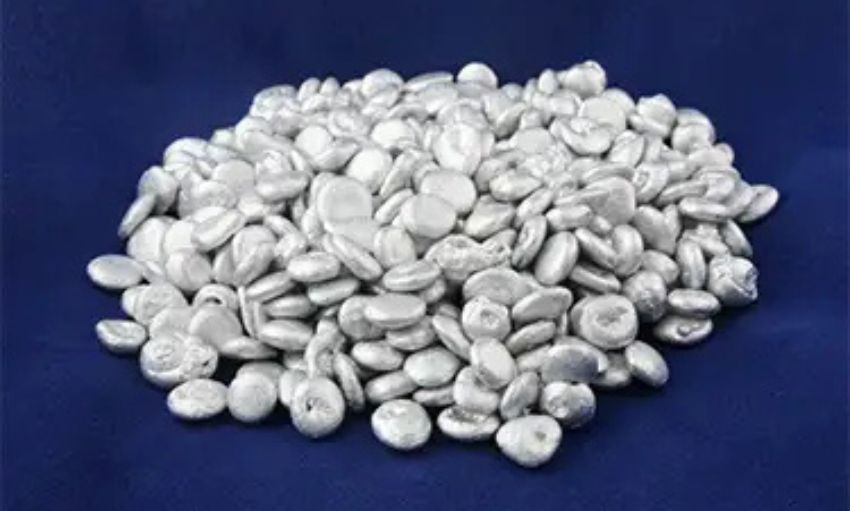
In heavy machinery and industrial equipment, parts like bearings, bushings, and thrust washers are under constant stress. High loads, friction, and continuous operation can lead to premature wear and even equipment failure. This is where white metal alloys come into play. These specialized alloys have been used for decades to enhance performance, extend service life, and reduce maintenance costs.
What Are White Metal Alloys?
White metal alloys, often called Babbitt metals, are soft metal alloys primarily made from tin, lead, or copper, with small amounts of antimony, arsenic, or other metals added to enhance hardness and wear resistance. Despite their soft composition, these alloys are engineered to handle heavy loads and high friction, making them ideal for use in bearings, bushings, and thrust washers. Their softness allows them to conform to irregularities on the mating surface, increasing contact area, distributing stress evenly, and reducing localized wear. This unique ability ensures that even under high-pressure conditions, the components remain protected and operate efficiently.
Another critical feature of white metal alloys is their self-lubricating property. During operation, a thin layer of lubricant forms between the bearing and the moving component, minimizing friction and preventing excessive heat buildup. Additionally, the soft surface can absorb small contaminants or abrasive particles, preventing scratches and scoring on harder surfaces. This combination of load adaptability, friction reduction, and wear protection extends the life of machinery, reduces maintenance costs, and makes white metal alloys an indispensable material in automotive engines, heavy machinery, marine equipment, and industrial bearings.
How White Metal Improves Load Capacity
One of the key advantages of white metal alloys is their ability to enhance load capacity. Here’s how:
-
Conforming to Surface Irregularities – White metal can slightly deform under pressure, allowing it to conform to the mating surface. This creates a larger contact area, distributing the load more evenly and preventing stress concentration.
-
Embedded Lubrication – Many white metal alloys retain lubricants within their microstructure. This reduces metal-to-metal contact, allowing bearings to handle higher loads without generating excessive heat.
-
Shock Absorption – The slight elasticity of white metal acts as a cushion under sudden load changes or impacts, preventing surface damage.
By combining these features, white metal alloys allow machinery to carry heavier loads than would otherwise be possible with hard metals alone.
Minimizing Wear with White Metal Alloys
Wear is inevitable in moving parts, but white metal alloys are specifically engineered to minimize it.
-
Soft Surface Layer: The soft surface layer of white metal absorbs small abrasives and contaminants that might otherwise score harder metals.
-
Fatigue Resistance: These alloys are resistant to metal fatigue, which is a common cause of cracks and pitting in bearings.
-
Self-Lubrication: Some white metals form a thin lubricating film during operation, reducing friction and heat build-up.
These properties collectively prolong the life of bearings and other high-friction components, reducing downtime and maintenance costs.
Applications of White Metal Alloys
White metal alloys are widely used in industries where heavy loads and continuous motion are common:
-
Industrial Bearings: Used in electric motors, turbines, and generators.
-
Marine Equipment: Bearings in ship propeller shafts and engines benefit from the alloy’s load-bearing capacity.
-
Automotive Components: Found in engine bearings, bushings, and connecting rods.
-
Heavy Machinery: Cranes, presses, and gear systems rely on white metal bearings to handle extreme loads.
In all these applications, the combination of load-bearing strength and wear reduction makes white metal alloys indispensable.
Choosing the Right White Metal Alloy
Not all white metals are the same. Selection depends on:
-
Load and Speed Requirements: Higher loads may require alloys with tin or copper bases, sometimes reinforced with antimony.
-
Operating Environment: Marine or chemical environments require corrosion-resistant alloys.
-
Lubrication Conditions: Some white metals are designed to perform better in oil-lubricated systems, while others can work with minimal lubrication.
Consulting with a materials engineer ensures the right alloy is chosen for the application, balancing load capacity, wear resistance, and cost-effectiveness.
Conclusion
White metal alloys might appear soft, but their performance in industrial applications is anything but weak. By enhancing load capacity, reducing wear, and providing self-lubrication, they ensure machinery runs longer, more efficiently, and with fewer maintenance issues. Whether in automotive engines, heavy machinery, or marine applications, these alloys remain a reliable solution for modern engineering challenges.