Renewable energy, particularly wind energy, has become a cornerstone of sustainable power generation. The efficiency of wind turbines and the overall performance of wind farms heavily depend on accurate measurement and monitoring of wind conditions. A Wind Speed Sensor is a key tool in achieving this, providing precise and real-time data that informs turbine operations, site assessments, and energy forecasting. By capturing accurate wind speed information, these sensors play a critical role in optimizing renewable energy systems and maximizing power output.
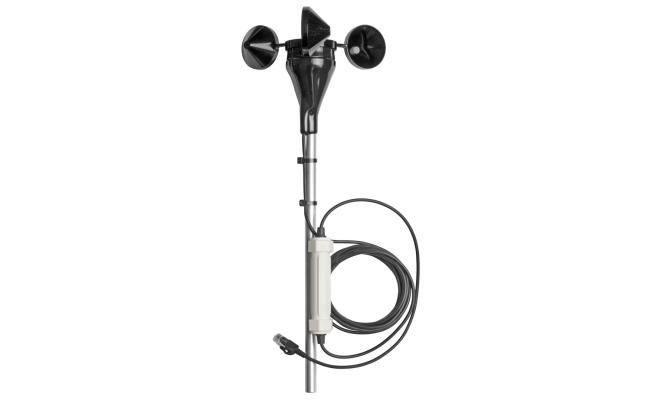
A Wind Speed Sensor detects airflow and converts it into measurable data that can be analyzed for various operational decisions. Advanced sensors, such as the Wind Speed Sensor from Rika Sensor, are designed to provide high precision and reliability under diverse environmental conditions. These sensors help wind energy operators understand site-specific wind characteristics, predict energy production, and reduce mechanical stress on turbines. The integration of wind speed sensors into monitoring and control systems enables smarter, more efficient renewable energy management.
Types of Wind Speed Sensors for Renewable Energy
Cup Anemometers
Cup anemometers are widely used in wind energy applications. They feature rotating cups that spin in proportion to wind speed, providing a mechanical measurement that can be converted into electrical signals. Cup anemometers are robust, reliable, and suitable for long-term outdoor deployment, making them ideal for both onshore and offshore wind farms.
Vane Anemometers
Vane anemometers measure both wind speed and direction using a propeller and directional vane. Accurate direction information is crucial for wind turbines with yaw mechanisms that align the turbine with prevailing wind. Vane anemometers are commonly employed in turbine control systems to optimize energy capture and prevent mechanical wear.
Ultrasonic Anemometers
Ultrasonic anemometers utilize ultrasonic pulses to measure wind speed and direction without moving parts. The sensor calculates airflow by measuring the time it takes for sound waves to travel between transducers, providing highly accurate and fast readings. Their durability and low maintenance requirements make ultrasonic anemometers ideal for offshore wind farms and extreme weather conditions.
Hot-Wire Anemometers
Hot-wire anemometers detect airflow based on cooling effects on a heated wire. They offer high sensitivity and can measure very low wind speeds, which is useful for detailed site assessments and research studies. While not as common in large-scale wind farms, they provide valuable data during site surveys and experimental setups.
Applications in Renewable Energy
Turbine Performance Optimization
Wind speed sensors play a central role in optimizing turbine performance. By continuously monitoring wind conditions, operators can adjust blade pitch and rotor orientation to maximize energy capture. This dynamic response ensures that turbines operate efficiently under varying wind conditions, reducing energy losses and minimizing mechanical stress.
Site Assessment and Planning
Before establishing a wind farm, accurate wind data is essential for site selection and turbine placement. Wind speed sensors provide detailed measurements of local wind patterns, including seasonal and daily variations. This information helps engineers design turbine layouts that maximize energy yield while minimizing turbulence and wake effects.
Predictive Maintenance
Mechanical stress from high winds or sudden gusts can reduce turbine lifespan. Wind speed sensors allow operators to monitor these conditions in real-time, enabling predictive maintenance and early intervention. By responding to high wind events, operators can prevent component failures, reduce downtime, and lower maintenance costs.
Energy Forecasting and Grid Integration
Wind speed data is critical for accurate energy forecasting, which is necessary for integrating wind power into the electrical grid. By predicting energy output based on wind conditions, operators can balance supply and demand, coordinate with other energy sources, and prevent grid instability. Reliable wind measurements also improve financial planning and operational efficiency for wind farms.
Enhancing Efficiency Through Smart Systems
Modern wind farms increasingly rely on smart monitoring systems that integrate wind speed sensors with automated controls and data analytics platforms. These systems use sensor data to make real-time adjustments to turbine operations, optimize energy production, and track performance metrics. Integration with IoT and cloud-based platforms also enables remote monitoring, data visualization, and long-term analysis, allowing operators to refine operational strategies continuously.
Maintenance and Calibration Considerations
To maintain accuracy, wind speed sensors require periodic maintenance and calibration. Sensors with moving parts, such as cup or vane anemometers, should be cleaned and checked for mechanical wear. Ultrasonic and hot-wire sensors benefit from periodic verification against reference standards. Proper maintenance ensures that sensors provide reliable data, which is crucial for operational efficiency and energy optimization.
Conclusion
A Wind Speed Sensor is an indispensable tool for improving the efficiency of renewable energy systems. By providing accurate and real-time wind measurements, these sensors enable optimized turbine performance, informed site selection, predictive maintenance, and reliable energy forecasting. Choosing the right sensor and integrating it into a smart monitoring system ensures maximum energy capture, reduced operational costs, and longer turbine lifespan. As wind energy continues to grow globally, wind speed sensors remain a critical component in advancing sustainable and efficient power generation.